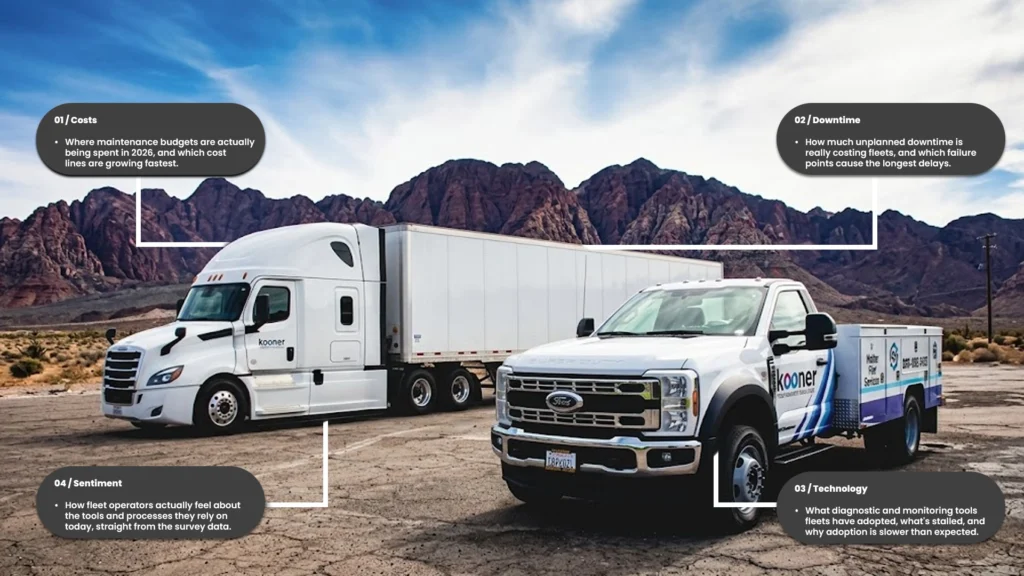

The yard serves as the critical link between over-the-road transportation and the warehouse. Trucks and trailers are assigned and positioned here for loading and dispatch.
This makes yard operations crucial to timely deliveries.
On-site fleet management is necessary to coordinate these movements, prevent dock delays, and keep schedules on track.
Common Yard Disruptions in Logistics Operations
Yard disruptions majorly fall into three groups: process problems, resource gaps, and vehicle issues.
Here are the ones logistics teams meet most often.
Process problems
Trailer misplacement: Trailers parked in the wrong locations slow retrieval and dispatch.
Dock congestion: Trucks queuing for loading or unloading slow warehouse operations.
Poor yard visibility: Limited tracking of trailer locations and status makes it harder to find and assign vehicles.
Delayed vehicle check-ins: Slow gate processing holds up incoming trucks and disrupts schedules.
Uncoordinated trailer movements: Weak communication between yard drivers and warehouse staff delays trailer positioning.
Documentation errors: Incorrect trailer details, shipment records, or dispatch paperwork hold up vehicle release.
Safety incidents: Collisions, pedestrian hazards, and improper parking disrupt yard activity and put workers at risk.
Resource gaps
Equipment shortages: A lack of yard tractors, forklifts, or other handling equipment interrupts movements.
Labour shortages: A shortage of technicians delays inspections, trailer transfers, and dock assignments.
Vehicle issues
Unplanned vehicle maintenance: Defective tractors or other vehicles interrupt trailer movements and scheduled dispatches.
Most of these disruptions come from yard processes, staffing, or planning.
Unplanned vehicle maintenance is different because it comes from the condition of the vehicles themselves, and this is the type of disruption on-site fleet management and repair are built to prevent.
On-Site Fleet Management for Uninterrupted Yard Operations
Maintenance management reduces vehicle downtime by up to 25%, helping logistics companies avoid dispatch delays caused by unavailable trucks and trailers.
On-site fleet management helps with vehicle readiness and maintenance at the facility itself. This reduces the risk of fleet-related delays holding up operations.
It limits yard disruptions through:
Preventive maintenance
Preventive fleet maintenance, servicing, and routine inspections identify mechanical issues before they interrupt planned vehicle movements or dispatch.
Vehicle readiness
Regular checks on trucks and trailers catch defects that could stop a vehicle from leaving the yard on schedule.
On-site repairs
Handling repairs at the facility, where feasible, reduces the need to send vehicles to an external workshop.
Maintenance coordination
Aligning maintenance priorities with dispatch schedules helps teams plan vehicle availability around loading windows and delivery commitments.
Here is a quick review table:
Yard disruption | On-site fleet management response | Logistics benefit |
Unexpected vehicle breakdowns | Preventive servicing and timely repairs | Few maintenance-related dispatch delays |
Vehicles unfit for dispatch | Routine inspections and defect checks | Improved road readiness and safety |
Delayed trailer movements | Maintenance of yard tractors and movement vehicles | Fewer interruptions to trailer positioning |
Conflicting maintenance and dispatch schedules | Planned servicing around operational requirements | Coordination between maintenance and freight movement |
Each response stops a vehicle issue before it becomes a yard delay. When a trailer misses its dock slot because a tractor is out of service, the delay carries into the next loads and the carriers waiting behind them.
Regular servicing and quick on-site repairs keep equipment available throughout every shift, so planned movements stay on time.
Keeping Yard Disruptions to a Minimum
With the right maintenance support available on-site, logistics companies can reduce avoidable vehicle downtime, coordinate dispatch with fleet availability, and maintain the flow of freight from the warehouse to its final destination.
At Kooner Fleet Management Solutions, we bring fleet maintenance and repair services directly to your site, helping address vehicle issues without unnecessary trips to external workshops.
Our on-site support aligns maintenance needs with yard activity, so trucks and trailers remain ready for dispatch, and freight continues moving towards its final destination.