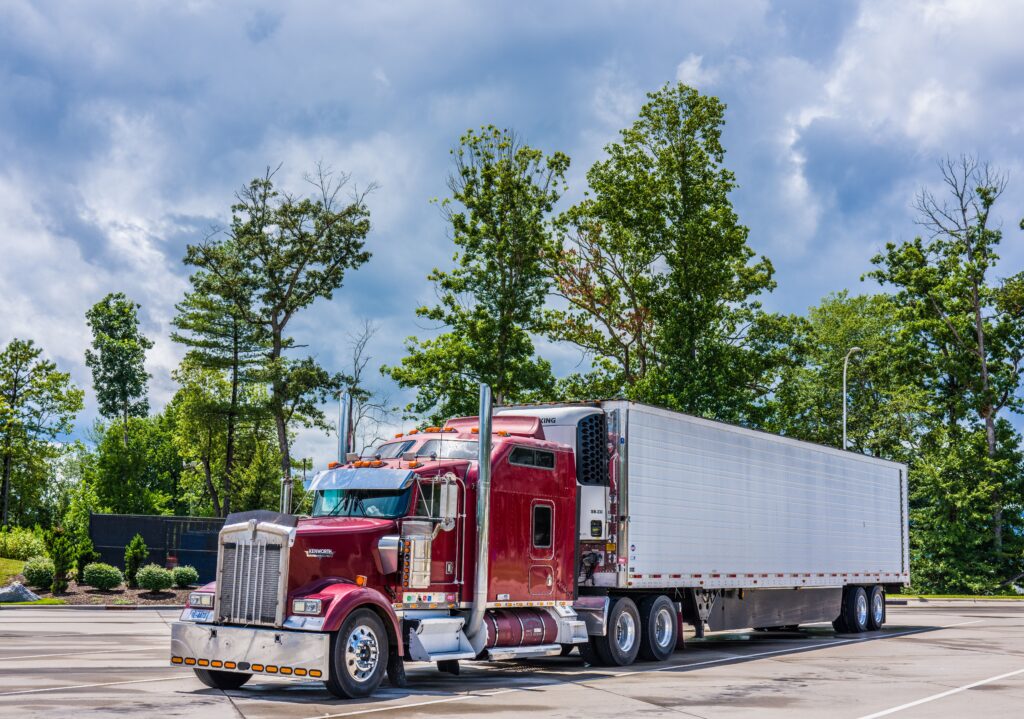

Drivers are trained to handle a truck on the road, but most don’t know what to do when it suddenly stops.
When a breakdown happens, many of them panic. They stay in an unsafe spot, skip basic checks, or make rushed decisions. This usually comes from a lack of training.
Proactive planning changes that.
Here are five steps that take a truck from a breakdown back to the route.
1. Get the Truck to a Safe Location
Safety comes first.
As soon as you notice a problem, turn on the hazard lights, slow down gradually, and steer toward the safest spot you can reach.
Look for a wide, flat area beside the road, such as a rest area or an exit ramp. Avoid stopping near sharp turns, hills, or narrow roadsides.
What you do next depends on the vehicle:
Tractor-trailers: The rig is long, so pull forward until the whole truck and trailer are off the road.
Box trucks and straight trucks: These are easier to move aside, but they still need firm, flat ground, away from ditches and soft soil.
Loaded tankers and trucks with hazardous cargo: Stay away from slopes, bridges, and busy areas. If there is a leak, move away from the truck.
Once you have stopped, set the parking brake, put on a reflective vest, and place warning triangles behind the truck.
2. Have an Emergency Breakdown Kit Prepared
A breakdown is easier to handle when the right tools are already inside the truck. What you should carry:
Warning triangles and a reflective vest
A flashlight with spare batteries
A first aid kit and a fire extinguisher
Wheel chocks and work gloves
A tire pressure gauge and basic hand tools
Jumper cables and a power bank
Drinking water
Add a few extra items based on what you carry. Trucks with refrigerated cargo should keep a thermometer to check the temperature of the load. Tanker trucks should carry a spill kit to clean up leaks. Flatbed trucks should carry extra straps and tarps to keep the load secure.
Also worth reading: Essential tips for an emergency roadside situation.
3. Identify the Issue That Led to the Breakdown
You don’t need to fix the problem yourself, but you do need to describe it clearly.
Check the dashboard warning lights, listen for unusual sounds, and look for smoke, leaks, or flat tires.
Brake-related violations accounted for 39.1% of all vehicle out-of-service violations recorded during inspections across North America.
Keep these key checks in mind:
Air brake warning: If the low-pressure warning is on, do not move the truck.
Overheating: Let the engine cool before opening the radiator cap. Hot coolant can cause serious burns.
Refrigerated trailers: The cooling unit can fail even when the truck’s engine is fine, so check both.
The more clearly you explain the problem, the faster the repair team can arrive with the right parts and tools.
4. Notify Your Dispatcher or Fleet Manager
Before calling for repairs, let your dispatcher or fleet manager know what has happened. Share your location, the problem, and the type of load you are carrying. This matters most for perishable or hazardous cargo, where time is critical.
The fleet manager can then update the customer, adjust the delivery schedule, and approve the repair. It also keeps your operations team informed, so they can rearrange the rest of the day’s schedule.
5. Call an Emergency Roadside Assistance Provider
Now it’s time to call for help. Give the emergency roadside provider the details they need:
Your exact location, including the highway, mile marker, er and direction of travel
The type of truck and whether a trailer is attached
The problem you identified
The type of load
While you wait, stay in a safe place away from traffic, whenever possible.
A reliable roadside assistance provider can offer on-site diagnostics and repair, towing, fuel delivery, tire changes, and 24/7 support, so you get the right help based on the situation.
The Importance of Having an Emergency Plan in Place
Panic fades when drivers know exactly what to do. That’s why every fleet needs a written emergency plan. It should include the five steps above, the emergency kit checklist, the dispatcher’s contact number, and the details of your roadside assistance provider.
A plan on paper is not enough. Train your drivers on it and review it regularly. A prepared driver stays calm, stays safe, and gets help faster, which means less downtime and more time on the road.
Conclusion
A breakdown doesn’t have to become a crisis. When a driver moves to safety, uses a ready kit, identifies the problem, informs the dispatcher, and calls for help, the truck is back on the route much sooner.
Kooner Fleet Management Solutions provides fleet management solutions including mobile fleet maintenance, 24/7 commercial roadside assistance, on-site repair and diagnostics, and driver training and mentoring, so your vehicles have expert support before a breakdown and after one.
Talk to us today and make sure every truck in your fleet is ready for the unexpected.