

How Harsh Driving Shortens Your Fleet’s Lifespan
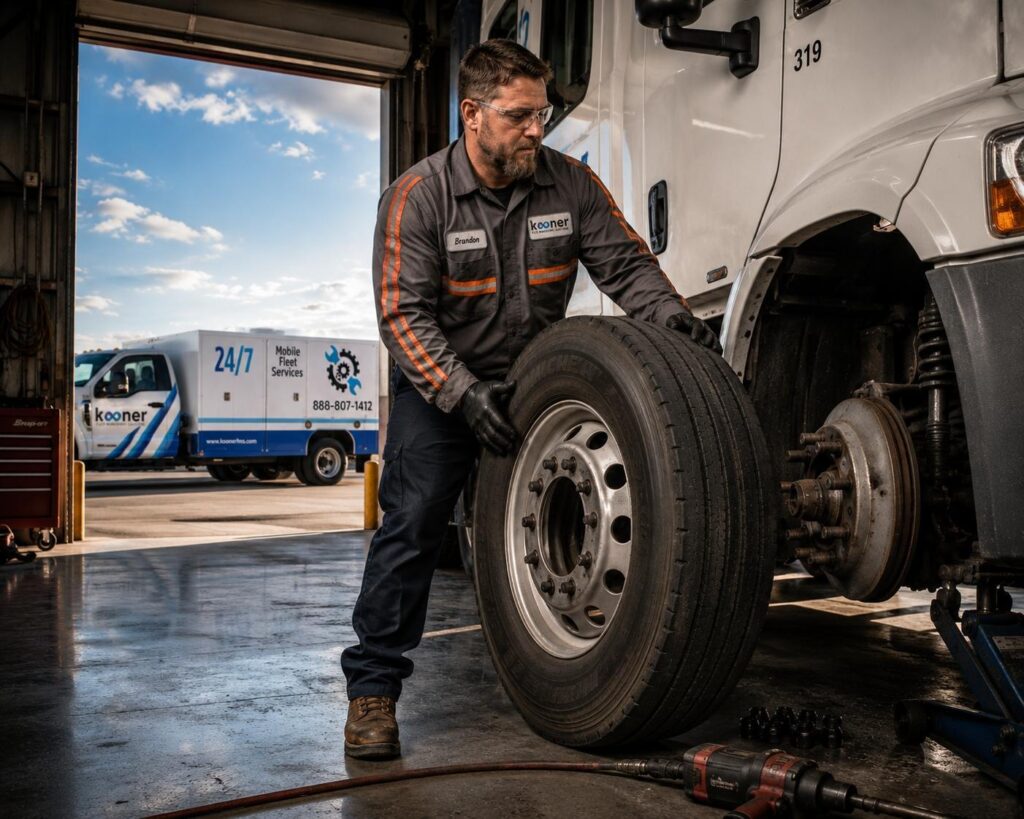
Harsh driving and excessive braking are often overlooked causes of premature vehicle wear. Hard stops or aggressive acceleration, when repeated every day, place strain on critical vehicle components. The impact becomes visible over time as fuel consumption rises, tires and brakes wear out more frequently, maintenance costs increase, and vehicle downtime becomes more common. Together, these shorten a vehicle’s lifespan. Types of Harsh Driving and Their Impact on Vehicle Health Harsh driving involves sudden changes in speed or direction that disrupt vehicle control. This could be through: Harsh braking Frequent, forceful braking generates heat and accelerates brake-pad and rotor wear. Repeated incidents contribute to faster pad and brake-system wear. Harsh acceleration Rapid acceleration demands greater power from the vehicle and can increase fuel consumption. Rapid acceleration causes unnecessary wear to the engine and transmission over time. Harsh cornering Taking corners aggressively creates lateral force through the tires and suspension. At higher speeds, it can also affect vehicle stability. Speeding Excessive speed reduces the time available to respond to traffic and road conditions. It can also increase the likelihood of sudden braking and other harsh events. Tailgating Driving too close to the vehicle ahead leaves less room to react, increasing the need for sudden braking when traffic changes. The cumulative effect matters. A single hard stop does not mean a vehicle has been damaged. The concern is the pattern. When the same behaviours occur repeatedly mile after mile, the additional wear begins to add up, raising overall costs for last-mile fleet maintenance. How to Detect and Stop Harsh Driving From Occurring The first step towards prevention is identifying the behaviour. Modern telematics systems detect sudden changes in acceleration, braking, and vehicle movement, giving fleet managers data on where and when these events occur. This information is used to identify: Drivers with recurring harsh-braking or acceleration tendencies Routes where harsh events occur more frequently Speeding and aggressive cornering patterns Changes in driving behaviour over time Links between driving habits, fuel consumption and maintenance activity The data is useful for driver training and coaching. Driver Training Driver training should focus on the habits that create harsh-driving events. This includes: Maintaining sufficient following distance Anticipating traffic rather than reacting at the last moment Building speed gradually from a stop Applying the brakes progressively Reducing speed before entering turns Allowing sufficient reaction time in congested areas Adjusting driving behaviour to road and weather conditions Training also needs to reflect the realities drivers face on the road. Reviewing actual driving events allows trainers to address specific behaviours rather than relying on general safety guidance. Driver Mentoring Training introduces the right techniques. Mentoring reinforces them. A recurring harsh-braking event, for example, does not automatically tell a manager why it happened. It could be linked to following distance, route conditions, traffic congestion, or another driving habit. One-to-one mentoring allows managers to examine these circumstances with the driver. Driver scorecards, telematics data, and video footage support these conversations by showing where repeated incidents are happening. The focus should be on understanding the driver’s behaviour, correcting it, and monitoring whether the change lasts. Monitor Progress Driver coaching should not end when the training session does. Reviewing performance after training shows whether harsh driving is declining and whether driving habits are changing. If the same patterns continue, further coaching should address the specific behaviour involved. Driver management and training turn behaviour data into an ongoing maintenance and safety tool rather than a collection of isolated alerts. Small Driving Habits Have a Long-Term Cost Harsh driving is not simply a safety concern. Repeated hard braking, aggressive acceleration and sharp cornering place unnecessary stress on vehicles, contributing to higher fuel use, faster component wear and additional maintenance needs. Identifying these behaviours early and addressing them through training and mentoring can help protect vehicle condition and extend service life. Where Kooner Fleet Management Solutions Can Help At Kooner Fleet Management Solutions, we take a proactive approach to fleet vehicle health. Our fleet maintenance services combine driver training and mentoring, preventive maintenance, diagnostics, mobile repairs, last-mile fleet maintenance, and technology-driven insights to address vehicle issues before they become business concerns. With nationwide service coverage and experienced technicians, Kooner supports fleets with the maintenance expertise needed to keep vehicles road-ready, reduce avoidable downtime, and protect the value of fleet assets throughout their working life. Connect with us to learn more about our maintenance solutions.
How Multi-State Fleets Drift from Maintenance Best Practices

Most fleets begin with clear maintenance standards. Preventive intervals are defined. Inspection procedures are documented. Vendor expectations are communicated. Compliance requirements are understood. Then expansion happens. As fleets grow across multiple states, those original standards begin to shift. Not because leadership changes direction, but because daily operational decisions slowly reshape execution. Over time, the gap between written policy and real-world practice widens. That gap is maintenance drift. Local flexibility turns into inconsistency Operating in multiple states requires flexibility. Technician availability varies. Vendor relationships differ. Regional regulations may influence scheduling. Local managers adjust to keep vehicles moving. Each adjustment feels practical. A preventive service gets delayed to meet delivery demand. A new vendor is approved due to capacity issues. An inspection checklist is shortened to save time. None of these decisions appear significant alone. Together, they create inconsistency. Within a year, vehicles in one state may receive different fleet maintenance attention than identical vehicles in another. The fleet still believes it follows best practices. In reality, standards have shifted. Vendor networks become fragmented Multi-state fleets rarely rely on a single service provider. They build regional networks to ensure coverage. Without centralized oversight, service quality and documentation begin to vary. Some vendors follow detailed inspection protocols. Others focus only on immediate repairs. Recordkeeping standards differ. Response times fluctuate. This fragmentation creates uneven asset health across the fleet. Identical units age differently based on where they are serviced. Leadership may not notice until breakdown rates rise in certain regions. By then, the drift has already taken hold. Compliance interpretations diverge Federal maintenance regulations apply nationally, but how they are interpreted and enforced often varies by location. Local teams adapt to what they experience most frequently. Over time, those adaptations replace centralized compliance standards. A fleet may appear compliant in one state while exposing gaps in another. During audits, these inconsistencies become visible quickly. Compliance drift is rarely intentional. It grows from localized decision making without unified oversight. Data silos hide early warning signs As fleets scale geographically, systems often fail to keep pace. Maintenance records may sit in different platforms. Vendor invoices arrive in inconsistent formats. Inspection reports remain stored regionally. Without centralized visibility, leadership cannot compare performance across states effectively. Preventive compliance rates, repeat repairs, and fleet downtime patterns remain isolated. When drift is invisible, it accelerates. Reactive maintenance replaces preventive discipline The first casualty of drift is usually preventive maintenance. Services are postponed. Minor defects are deferred. Emergency repairs increase. Multi-state fleets feel this impact more intensely because breakdowns disrupt longer routes and more complex schedules. Costs rise. Driver confidence drops. Compliance risk increases. At this stage, the issue is not one missed service. It is a system that no longer enforces its own standards. How fleets regain alignment Stopping maintenance drift requires more than stricter rules. It requires structural consistency. Successful multi-state fleets standardize service expectations across all vendors. They centralize data visibility. They track preventive compliance by region. They hold locations accountable to the same performance metrics. Most importantly, they measure execution instead of relying on assumptions. Growth without alignment creates risk. Growth with disciplined oversight creates resilience. Final thoughts Maintenance drift is one of the most common challenges facing multi-state fleets in 2026. It develops gradually and often goes unnoticed until costs or compliance issues force attention. Fleets that proactively monitor consistency protect uptime, stabilize costs, and reduce regulatory exposure. Kooner Fleet Management helps multi-state fleets maintain alignment by standardizing maintenance processes, coordinating nationwide service networks, and providing clear operational visibility across every location. If your fleet operates across multiple states, consistency is not optional. It is essential for sustainable performance.
Fleet Cost Volatility vs Fleet Stability: What Matters More in 2026

Fleet leaders have always focused on cost control. Reducing spend per mile, negotiating better vendor rates, and optimizing fuel usage have traditionally defined strong performance. In 2026, however, a new question is reshaping leadership conversations: Is it more important to reduce costs, or to stabilize them? As operating environments become more complex, many fleets are discovering that volatility, not absolute cost, is the bigger threat to long-term performance. Understanding Fleet Cost Volatility Fleet cost volatility refers to unpredictable spikes in maintenance, repair, and operational expenses. It shows up as: Sudden emergency repair surges Unexpected roadside events Sharp monthly maintenance swings Compliance-related expenses Regional service inconsistencies These fluctuations make budgeting difficult and erode leadership confidence. Even if annual costs remain “acceptable,” instability creates operational strain. Volatility forces reactive decisions. Reactive decisions usually cost more. The Hidden Price of Instability When costs swing unpredictably, fleets experience more than financial stress. Operations teams struggle to plan downtime. Finance teams struggle to forecast cash flow. Drivers lose trust in equipment reliability. Leadership spends time explaining surprises instead of driving strategy. In many cases, volatility signals deeper structural issues, missed preventive maintenance, inconsistent vendor standards, technician shortages, or fragmented data systems. The numbers are symptoms. The system is the cause. Why Fleet Stability Is Becoming a Strategic Advantage Fleet stability does not mean low cost. It means predictable cost. Stable fleets demonstrate: Consistent preventive maintenance compliance Controlled downtime patterns Uniform service standards across regions Clear visibility into asset health Fewer emergency repair spikes Predictability allows leaders to plan confidently. It supports stronger customer commitments, more accurate financial forecasting, and better asset lifecycle management. In uncertain economic conditions, stability becomes a competitive advantage. Short-Term Savings vs Long-Term Control Cost reduction often focuses on immediate wins, deferring repairs, negotiating cheaper vendors, or stretching maintenance intervals. These actions may reduce short-term spend. But they frequently increase long-term volatility. Deferred maintenance leads to breakdown clusters. Lower-cost vendors may introduce inconsistent quality. Delayed inspections create compliance risk. The result is not sustainable savings. It is cost whiplash. Stability, by contrast, prioritizes disciplined execution over short-term cuts. 2026: The Year Predictability Wins Rising labor costs, technician shortages, regulatory scrutiny, and supply chain variability are shaping the 2026 operating landscape. Fleets cannot control every external factor. They can control execution. The fleets outperforming their peers are those reducing operational friction, tightening maintenance intervals, centralizing oversight, and standardizing service quality. They may not always post the lowest monthly spend, but they avoid destructive spikes. In leadership conversations, predictability is increasingly valued more than isolated cost dips. The Role of Maintenance Discipline Preventive maintenance remains the strongest stabilizer available to fleets. When inspections happen on time and minor defects are resolved early, emergency repairs decline. Fleet downtime becomes scheduled instead of disruptive. Costs flatten over time. Stability requires: Centralized visibility Vendor accountability Consistent documentation Early issue detection Clear maintenance ownership Without these, volatility creeps back in. What Matters More in 2026? For modern fleets, the answer is clear: Stability matters more than short-term cost reduction. Lower costs are valuable. But unstable operations erase savings quickly. Predictable fleets operate with confidence. Volatile fleets operate in reaction. In 2026, the ability to avoid surprises may define success more than the ability to chase marginal savings. Final Thoughts Fleet cost volatility is often treated as an unavoidable reality. It is not. In most cases, it reflects gaps in maintenance execution, service coordination, or operational visibility. Fleet stability requires discipline. It requires structure. It requires systems designed to prevent spikes before they occur. Kooner Fleet Management helps fleets reduce cost volatility by centralizing maintenance coordination, standardizing service quality, and improving real-time visibility across every asset. If your fleet is experiencing unpredictable maintenance swings, the priority may not be cutting more costs, it may be stabilizing them.
The Importance of Preventative Maintenance: Keeping your construction assets on the jobsite

By Michael Quimby Chief Operating Officer Kooner Fleet Management Solutions Construction companies operate in an environment defined by tight schedules, heavy equipment usage, variable site conditions, and frequent coordination challenges. Every asset in the fleet, whether a light duty truck, a piece of yellow iron, or a vehicle supporting utility work, is expected to function reliably in demanding conditions. Preventative maintenance is not simply a routine obligation for these organizations. It is a critical part of operational planning that directly affects productivity, safety, and cost control. When maintenance is managed proactively, construction firms can keep both their vehicles and their personnel where they create value. They can remain on the jobsite instead of waiting on repairs, recovering from breakdowns, or navigating unexpected downtime. Preventative maintenance has long been recognized as an important factor in fleet and equipment management. Research from the U.S. Department of Energy notes that routine maintenance can increase fuel economy by as much as ten percent across a mixed fleet. Findings from a 2023 report by the Associated General Contractors of America show that nearly seventy percent of construction firms faced project delays related to equipment availability. In an environment where margins are often narrow, the financial impact of unplanned downtime can ripple across an entire project. These data points reflect what many construction leaders already know. The most effective way to reduce disruptions is to invest in disciplined preventative maintenance programs that address wear, mitigate risk, and allow vehicles and equipment to perform consistently. The economic case for preventative maintenance Running construction assets until they fail can appear cost effective in the short term. It postpones expenses and requires less administrative effort. The reality is more complex. Studies published by the Construction Industry Institute have shown that reactive maintenance can cost three to five times more than preventative maintenance when labor, parts, lost production time, and secondary damage are included in calculations. Breakdowns rarely occur at convenient moments. They tend to happen when equipment is under heavy stress, when an operator is under pressure to meet a deadline, or when a vehicle is far from the resources needed to fix it. Each breakdown creates a chain reaction. Crews are idled, jobsite sequencing is disrupted, rental costs increase, and contract penalties become more likely. Preventative maintenance breaks this cycle by controlling the timing of service and mitigating the root causes of failure. A well structured preventative maintenance strategy is also a hedge against market volatility. The construction sector experienced substantial price fluctuations in parts, tires, fluids, and filters over the last several years. Reports from the Bureau of Labor Statistics show that the cost of repair and maintenance services rose steadily since 2020. Planning maintenance intervals in advance allows companies to purchase parts in a more predictable manner, avoid last minute procurement costs, and reduce exposure to market spikes. It also stabilizes labor planning by allowing managers to coordinate service alongside project schedules. The safety factor Safety is another reason preventative maintenance matters for construction companies. Jobsite safety programs often focus on training, supervision, and environmental controls. Although these components are essential, equipment condition is equally important. Brake failures, hydraulic leaks, worn tires, and electrical system issues can all lead to injuries. A 2022 analysis by the National Institute for Occupational Safety and Health found that equipment related incidents remain one of the leading causes of injuries in the construction sector. Preventative maintenance helps ensure that critical systems are inspected regularly. It reduces the likelihood of incidents that place workers at risk and increases an organization’s total cost of risk through workers compensation claims, insurance premiums, and lost time. In addition to mitigating risk, preventative maintenance helps maintain compliance with regulatory requirements such as Department of Transportation inspections, environmental standards, and manufacturer operating guidelines. Non compliance can result in fines, legal exposure, and project delays that are avoidable with structured maintenance programs. The productivity advantage Construction workflows depend on timing and sequence. A single malfunctioning truck or trailer can delay material deliveries, limit access to equipment, or halt production tasks. Preventative maintenance supports predictable workflows. It allows field supervisors to schedule service during low impact periods or off hours. When maintenance is aligned with operational needs, assets remain available when crews need them most. Improved reliability also supports better labor productivity. Skilled workers are most productive when they are actively engaged in their jobs rather than waiting for equipment or addressing issues caused by deferred maintenance. Studies from the Project Management Institute highlight that project efficiency declines significantly when equipment readiness falls below planned thresholds. Reliable assets contribute to a smoother jobsite rhythm, more accurate forecasting, and higher quality outcomes. Integrating data and technology into maintenance planning Preventative maintenance today is more sophisticated than simple calendar based scheduling. Digital tools that track mileage, engine hours, fault codes, and fluid conditions allow construction companies to transition from calendar based planning to condition based planning. This creates a more accurate and efficient model for service intervals. Telematics platforms offer visibility into a wide range of data points including driver behavior, engine performance, and asset utilization. The American Transportation Research Institute has reported that fleets using telematics based maintenance programs have seen measurable reductions in unplanned downtime. When construction companies apply similar approaches across mixed fleets, they can identify trends, recognize early warning indicators, and intervene before small issues develop into major failures. Integrating preventative maintenance data with project management systems enables more accurate scheduling. It ensures that project managers understand asset availability in advance and can coordinate critical tasks around maintenance windows. This integration also provides historical insights that support capital planning. When maintenance records are analyzed over time, organizations can better forecast replacement cycles, budget for upcoming investments, and determine which assets should be retired or repurposed. Building a preventative maintenance culture Effective preventative maintenance is not solely a mechanical or administrative practice. It is a cultural commitment. Construction companies that treat preventative maintenance as a strategic function tend to design processes that engage both leadership and
Local Growth, National Momentum: What Sacramento’s Coverage Reveals About Kooner’s Next Chapter

Recent coverage in the Sacramento Business Journal highlights a meaningful milestone for Kooner Fleet Management Solutions: the launch of its first direct-to-consumer business line, Kooner Mobile AutoCare. While the headline centers on mobile car care, the broader story is one of disciplined growth, operational scalability, and the continued evolution of a company built on uptime. From One Truck in Sacramento to a National Mobile Network Founded in 2016 with a single mobile service truck, Kooner has expanded into a nationwide provider of emergency repair, preventative maintenance, and on-site fleet support for heavy-duty commercial vehicles. Today, the company operates across 28 states, supports major transportation and distribution fleets, and has grown revenue more than 3,000 percent since 2020. With more than 300 employees and tens of thousands of square feet dedicated to operations, warehousing, and service-truck upfitting in Sacramento, the organization has scaled rapidly while remaining rooted in its hometown. That trajectory matters because Mobile AutoCare is not a pivot away from fleet services. It is a strategic extension of proven mobile maintenance infrastructure. Why Mobile AutoCare Is a Natural Progression Kooner’s operating model has always been fully mobile. Technicians travel to customer locations in fully equipped service vehicles, performing diagnostics, repairs, inspections, and scheduled maintenance without requiring fleets to route trucks through fixed shops. Bringing that same approach to consumer vehicles is a logical next step. Rather than sitting in waiting rooms or navigating upsell-driven repair experiences, drivers can now receive professional maintenance at home or work, delivered by trained technicians using manufacturer-recommended parts and fluids across all makes and models of light-duty vehicles. This reflects a broader shift across transportation and service industries: Convenience, transparency, and time savings are becoming baseline expectations, not premium features. What the Initial Service Offering Signals Mobile AutoCare launches with a focused but meaningful service set: Oil and filter changes Battery replacement Lights, wipers, and brake pads Routine preventative maintenance Starting with high-frequency maintenance is intentional. These services: Prevent larger mechanical failures Extend vehicle lifespan Reduce long-term ownership costs Create recurring customer touchpoints Future subscription offerings and partnerships with parking garages, homeowners associations, and employers suggest a move toward predictable, relationship-driven maintenance models rather than one-time repair transactions. For fleet leaders, this mirrors the same evolution happening in commercial maintenance, where uptime programs and managed service agreements are replacing reactive repair cycles. Built on Fleet-Grade Discipline A key insight from the coverage is that Mobile AutoCare is not being built from scratch. It is powered by the same operational backbone that supports commercial fleets nationwide: Route optimization technology Pre-staged parts and inventory planning Standardized maintenance workflows Licensed, trained technicians Mobile-first service delivery This matters because consumer convenience alone does not create sustainable service models. Operational discipline does. Kooner’s decade of fleet experience provides the structure needed to deliver consistent quality at scale, something many mobile-only startups struggle to achieve. Dedicated Resources for a Distinct Customer Experience Another important distinction: Technicians servicing passenger vehicles will focus exclusively on light-duty platforms and operate from specially outfitted service vans. This separation ensures: Proper tooling and parts availability Service speed and efficiency Consistent customer experience Protection of core fleet operations In other words, Mobile AutoCare complements the existing business without diluting it. Growth That Reflects Market Demand The company’s rapid rise, including recognition among the region’s fastest-growing businesses and tens of millions in annual revenue, signals strong demand for mobile, uptime-focused maintenance across transportation sectors. Several forces are driving that demand: Labor shortages in traditional repair environments Rising downtime costs for fleets and drivers Increasing vehicle complexity Customer expectations shaped by on-demand services Mobile AutoCare sits directly at the intersection of those trends. Why This Matters Beyond Consumer Vehicles Although Mobile AutoCare targets everyday drivers, its implications extend well beyond the consumer market. For logistics companies, service fleets, and transportation providers, the launch demonstrates three important realities: 1. Mobile Infrastructure Creates Strategic Optionality Organizations that invest early in scalable field-service models gain the flexibility to expand into adjacent markets quickly. 2. Customer Experience Is Becoming a Core Differentiator Professionalism, transparency, and convenience are no longer consumer-only expectations. They are shaping B2B partnerships as well. 3. Preventative Maintenance Remains the Foundation Whether servicing tractor-trailers or passenger vehicles, the same principle applies: Prevent problems before they create downtime. Sacramento as the Starting Point, Not the Finish Line Launching Mobile AutoCare in Kooner’s home market provides a controlled environment to refine pricing, service mix, subscriptions, and operational workflows before broader rollout. Given the company’s national technician network and history of rapid scaling, expansion beyond Sacramento could move quickly if early demand proves strong. The Bigger Story: Uptime as a Universal Need At its core, this milestone is not just about entering the consumer auto-care space. It is about the continued expansion of a company built around a single operating philosophy: Uptime drives everything. From heavy-duty fleets moving goods across North America to personal vehicles getting families where they need to go, reliable mobility depends on disciplined maintenance, responsive service, and operational visibility. Mobile AutoCare extends that philosophy to a new audience, while reinforcing the foundation that fueled Kooner’s national growth. Looking Ahead As Mobile AutoCare begins service in Sacramento, the launch represents more than a new offering. It signals the next phase of Kooner’s evolution: Expanding from fleet uptime to everyday mobility Leveraging proven infrastructure for new markets Strengthening community presence while scaling nationally For fleet operators, transportation leaders, and service organizations watching closely, one takeaway stands above the rest: The future of maintenance is mobile, preventative, and built around keeping vehicles moving, no matter who owns them.
Turning a Frustrating Experience Into a New Solution

The idea behind Mobile AutoCare began with a familiar frustration. After routine oil-change visits that felt impersonal and upsell-driven, company leaders including Gary Kooner, Michael Quimby, and Ricky Bains recognized an opportunity to do better. Their organization already maintained complex commercial fleets across North America using mobile technicians, preventative maintenance discipline, and real-time operational technology. The question became simple: Why shouldn’t everyday drivers receive the same professional, customer-first experience? Mobile AutoCare is the answer, bringing trained technicians directly to homes and workplaces throughout Sacramento, eliminating the need for traditional shop visits. Designed for Modern Expectations of Convenience Today’s consumers are accustomed to services that arrive on demand, whether ordering meals through Uber Eats or scheduling home services from a smartphone. Mobile AutoCare applies that same expectation to vehicle maintenance: Request service online Receive a visit within 24-48 hours Access weekend availability Avoid waiting rooms and unnecessary upsells This model transforms maintenance from a time-consuming chore into a predictable, low-friction experience. Fleet-Grade Infrastructure Behind a Consumer Offering What differentiates Mobile AutoCare from typical mobile repair startups is the operational backbone supporting it. Kooner’s national fleet business already depends on: Route optimization technology that positions technicians efficiently Pre-staged parts and supplies before each visit Standardized maintenance workflows Uniformed, professionally trained service personnel According to company leadership and spokesperson Ricky Bains, this foundation enables competitive pricing, generally targeting a $100 to $200 range for a basic preventative maintenance visit, while maintaining high service standards. In short, Mobile AutoCare is not an experiment built from scratch. It is an extension of systems proven at commercial scale. Why Preventative Maintenance Comes First The initial service mix focuses on high-frequency, high-value essentials such as: Oil changes Safety inspections Fluid checks and top-offs This mirrors the philosophy that built Kooner’s fleet business: Prevent breakdowns before they create disruption. For everyday drivers, that means: Lower long-term repair costs Improved reliability and safety Extended vehicle lifespan For Kooner, it creates consistent service relationships rather than one-time transactions. A Pilot Built for Rapid Learning and Expansion The Sacramento launch serves as a controlled pilot, initially covering a 60- to 90-minute radius from the company’s Natomas headquarters and beginning with a small technician team. But the long-term vision is significantly broader. Future possibilities discussed in the coverage include: Employer-sponsored maintenance benefits Service days in workplace parking facilities Subscription-based preventative maintenance plans If early adoption proves strong, the company has both the technician network and operational infrastructure to scale quickly, just as it did in the commercial fleet sector. From Breakdown Response to Everyday Mobility Kooner’s journey began in 2016 with a single truck responding to roadside breakdowns. Over time, the company evolved into a nationwide provider of preventative maintenance and mobile repair for delivery, construction, food service, and logistics fleets. Mobile AutoCare represents the next logical evolution: Extending fleet-grade uptime principles to personal vehicles. This shift reflects a broader industry reality. Whether supporting commercial transportation or daily commuting, reliability, transparency, and convenience now define customer expectations. The Bigger Picture: Maintenance Without Friction The Sacramento Bee coverage underscores more than a local business launch. It points to a larger transformation in vehicle care: Maintenance is moving closer to where vehicles already are Preventative service is replacing reactive repair Customer experience is becoming as important as technical skill Mobile AutoCare sits directly at the intersection of these trends. Looking Ahead As Mobile AutoCare begins serving Sacramento-area drivers, the initiative signals a meaningful expansion of Kooner’s mission: Keep vehicles moving, wherever they operate and whoever relies on them. What started as a response to frustrating oil-change experiences has grown into a scalable, technology-enabled service model with the potential to reshape everyday vehicle maintenance. And if the company’s history of rapid growth in fleet services is any indication, this new chapter may only be the beginning.
Why Kooner Fleet Management’s B2C Expansion Matters for B2B Fleet Leaders
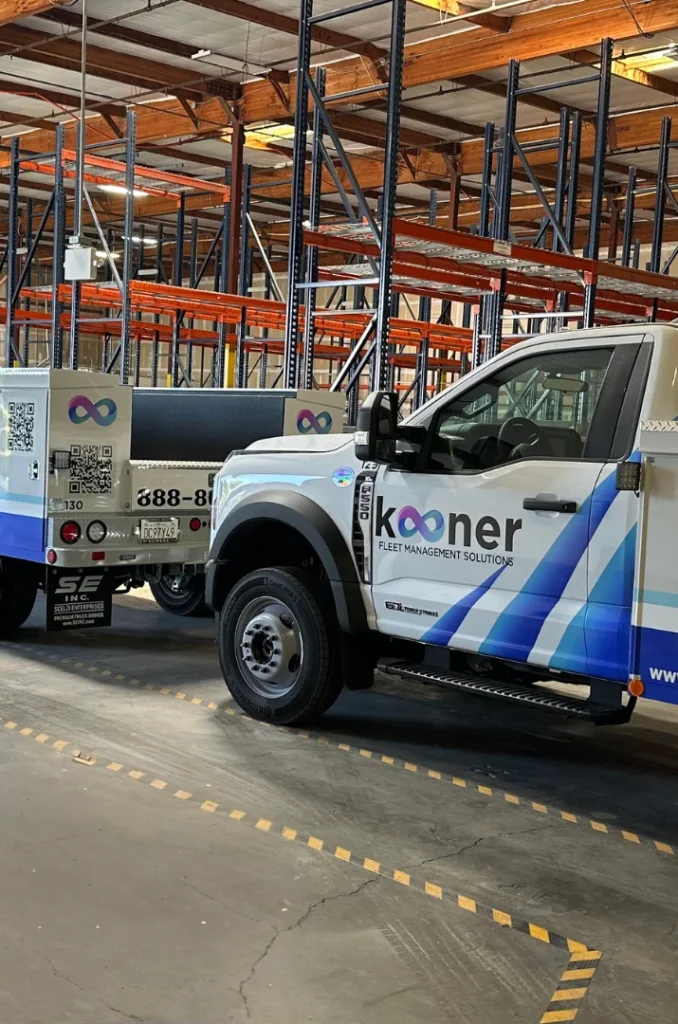
Kooner Fleet Management Solutions recently reached an important milestone with the launch of its first direct-to-consumer service, Kooner Mobile AutoCare. While the offering serves everyday drivers, the move is deeply strategic from a B2B perspective. It showcases how fleet-grade infrastructure, disciplined execution, and scalable service systems can unlock new revenue streams without straying from core strengths. At its core, this is not a pivot. It is an extension of capability. Turning Fleet Infrastructure Into a Consumer Experience For nearly a decade, Kooner has supported commercial fleets across North America through preventive maintenance, roadside repair, and uptime-focused service models. Mobile AutoCare builds directly on that foundation. Instead of asking drivers to visit traditional repair facilities, the company delivers maintenance at homes and workplaces, creating an experience designed for convenience and transparency. Behind that simplicity is a sophisticated operational engine: Technician routing optimization Centralized dispatch systems Standardized service workflows Parts availability planning Real-time job tracking These systems were originally designed to maximize commercial fleet uptime. They now enable Kooner to serve an entirely new market segment without reinventing the operational model. For fleet leaders, the takeaway is clear: strong infrastructure creates strategic flexibility. Why This Move Matters for B2B Fleet Operators Although Mobile AutoCare targets consumers, its broader implications are highly relevant for logistics providers, service fleets, and transportation leaders. 1. Operational Maturity Creates Optionality Kooner’s nationwide footprint, mobile technician network, and service technology were built to support commercial uptime at scale. Because those systems were standardized early, the company can test adjacent markets without heavy capital reinvestment. For B2B leaders, this reinforces an important principle: Organizations that operationalize discipline and standardization early gain the ability to expand later. Growth becomes an extension of capability, not a reinvention of process. 2. Consumer Expectations Are Raising B2B Standards Mobile AutoCare emphasizes: Transparent pricing Weekend availability Fast response windows Professional, consistent service delivery These expectations increasingly mirror what fleet clients demand from maintenance partners. Fleet customers today expect: Faster turnaround Clear documentation Predictable cost structures Minimal operational disruption Consumer convenience is no longer separate from commercial service standards. It is influencing them. 3. Subscription and Employer Models Signal Broader Industry Shifts Leadership has identified subscription-based services and employer-sponsored maintenance programs as future growth opportunities. This signals a larger industry trend: Maintenance shifting from reactive to recurring Service packaged as a mobility benefit Predictable revenue replacing episodic repair income These same dynamics are already reshaping commercial fleet management through managed service agreements and uptime-based partnerships. The consumer launch provides a testing ground for revenue models that may influence fleet services in the years ahead. Sacramento as a Strategic Pilot Market Launching first in the Natomas and greater Sacramento region allows Kooner to refine service packages, pricing structures, and operational workflows before broader expansion. This pilot-first approach mirrors sophisticated fleet rollouts: Validate assumptions in a contained geography Measure cost efficiency and utilization Optimize processes before scaling For B2B organizations, disciplined pilots reduce risk while accelerating innovation. From Single Truck to Multi-Market Platform Kooner’s evolution underscores the importance of foundational strength. Founded in 2016 as a single-truck breakdown service, the company now supports fleets across dozens of states, provides on-site maintenance across industries, and enters the consumer mobility space using the same operational backbone. The guiding principle remains consistent: Prevent problems before they create downtime. That philosophy translates seamlessly from commercial fleets to individual drivers. The Bigger Industry Shift: Fleet and Consumer Mobility Are Converging Mobile AutoCare reflects a broader industry convergence where: Fleet technology enables consumer convenience Mobile service reduces dependence on fixed facilities Preventive models outperform reactive repair economics For transportation leaders, this signals a structural change. Vehicle maintenance, whether commercial or personal, is becoming mobile, data-driven, and uptime-focused. The organizations prepared for this shift are those that invest in execution and infrastructure first.
Fleet Management in 2026: Why Execution Beats Strategy

Fleet leaders have never lacked strategy. Most fleets today have clear goals around uptime, cost control, safety, sustainability, and compliance. Roadmaps are defined. Technology investments are planned. KPIs are documented. Yet in 2026, the fleets that outperform are not the ones with the most ambitious strategies. They are the ones that execute consistently, every single day. The gap between strategy and results has never been wider. Strategy Is No Longer the Differentiator Fleet strategy has become table stakes. Most operators agree on the fundamentals. Preventive maintenance matters. Downtime is expensive. Data should guide decisions. Driver behavior impacts costs. Compliance cannot be optional. Because this thinking is now widespread, strategy alone no longer creates advantage. Two fleets can share nearly identical goals and still experience vastly different outcomes. The difference shows up in execution. Execution Lives in the Details Execution is not a quarterly plan. It is the sum of daily actions. Did the truck actually get serviced on time or was it pushed to next week again Did the inspection note lead to a repair or sit unresolved Did downtime trends trigger action or just get reported Did vendors follow the same standards across every location These details rarely appear in strategy decks. They live in operations, scheduling, communication, and follow-through. In 2026, fleets are judged by how reliably these small decisions are made and acted on. The Cost of Inconsistent Execution Poor execution hides behind acceptable averages. A fleet may meet annual uptime targets while certain routes suffer frequent failures. Maintenance spend may appear controlled while emergency repairs quietly rise. Compliance scores may pass until one audit exposes systemic gaps. These issues rarely come from a bad strategy. They come from inconsistent execution across vehicles, locations, and teams. By the time leadership notices, the cost has already been absorbed through lost productivity, higher repair severity, and operational stress. Technology Does Not Execute for You One of the biggest misconceptions in modern fleet management is that technology equals execution. Telematics, dashboards, and analytics provide visibility. They do not guarantee action. In 2026, many fleets are data-rich but execution poor. Alerts are triggered but not addressed. Reports are reviewed but not operationalized. Insights exist without accountability. Execution requires ownership. Someone must be responsible for turning insight into action every time. That’s what our strategic fleet management keeps in check. Why Execution Has Become Harder in 2026 Fleet execution is harder now than it was five years ago. Fleets are more distributed. Service networks are fragmented. Technician shortages persist. Vehicles are more complex. Compliance expectations are higher. Under these conditions, even strong strategies fail if execution is not tightly managed. Gaps appear faster, and consequences escalate more quickly. This is why execution discipline has become the defining capability of high-performing fleets. What Strong Execution Looks Like in Practice In 2026, strong fleet execution shares a few common traits. Maintenance is coordinated centrally, not managed in silos Service standards are consistent regardless of location Preventive maintenance happens when scheduled, not when convenient Downtime patterns are tracked and acted on early Data flows into decisions, not just reports Most importantly, accountability is clear. Issues are owned, resolved, and verified. This level of execution does not happen by accident. It requires structure. Why Fleets Are Rethinking How They Execute More fleets are realizing that execution cannot depend on individual heroics or local workarounds. They are moving toward centralized maintenance management, standardized vendor networks, and systems that prioritize follow-through over reporting. The focus is shifting from planning what should happen to ensuring it actually does. How Kooner Helps Fleets Turn Strategy into Execution Kooner Fleet Management Solutions helps fleets close the gap between strategy and execution. By managing maintenance coordination nationwide, standardizing service quality, and providing real time visibility into fleet health, Kooner helps fleets ensure that plans translate into action. Instead of reacting to failures, fleets gain the structure needed to execute consistently across every vehicle and location. In 2026, strategy sets direction, but execution determines results. Kooner helps fleets make sure the work gets done, not just planned.
Why Technician Availability Is Becoming a Strategic Risk

For years, technician availability was treated as an operational inconvenience. If a shop was backed up, maintenance got delayed and schedules were adjusted. In 2026, that mindset no longer works. Technician availability has become a strategic risk that directly impacts uptime, compliance, and cost control. Fleets that underestimate this shift are already feeling the consequences. The technician shortage is structural, not temporary Many fleet leaders still expect technician availability to stabilize. The reality is different. Skilled technicians are aging out of the workforce faster than new ones are entering. At the same time, modern vehicles are more complex and require higher skill levels to diagnose and repair. This creates a widening gap. Fewer technicians are available, and each repair takes more expertise and time. The result is longer shop queues, delayed inspections, and maintenance that slips past ideal intervals. This is not a short-term hiring problem. It is a long-term capacity constraint. Delayed maintenance creates cascading operational risk When technicians are unavailable, maintenance gets postponed. What starts as a minor delay often turns into a larger operational issue. Preventive work gets pushed back. Small defects remain unresolved. Assets stay on the road longer than they should. Eventually, those gaps surface as breakdowns, roadside repairs, or DOT violations. At that point, technician availability becomes even worse because emergency work jumps the queue. Fleets underestimate how quickly these delays compound. One missed service window can create weeks of disruption later. Compliance exposure increases quietly DOT audits and roadside inspections do not wait for technician availability to improve. When fleets cannot secure technicians in time, inspection findings go unresolved longer. Records remain open. Repair verification gets delayed. During audits, these gaps show up clearly. Inspectors see patterns of deferred maintenance and incomplete documentation. Even if the fleet understands the root cause, the regulatory impact is the same. Technician shortages turn compliance from a planning exercise into a reactive scramble. Cost predictability breaks down Technician scarcity drives up costs in subtle ways. Fleets pay more for expedited labor, after-hours repairs, and emergency service calls. Vendors charge premiums for priority access. Towing and downtime costs rise as assets wait for service. What leaders often miss is how unpredictability hurts budgets. Maintenance spend becomes uneven and hard to forecast. Finance teams struggle to explain spikes that trace back to availability issues rather than part failures. In 2026, unpredictable cost is often more damaging than high cost. Why technician availability is now a leadership issue This is no longer just a shop-level problem. Technician availability affects fleet readiness, customer commitments, and strategic planning. When leadership assumes maintenance capacity will simply be there, the entire operation becomes fragile. Strong fleets are adapting by planning maintenance earlier, improving service coordination, and reducing friction between approval, scheduling, and execution. They are also building redundancy into their service networks instead of relying on a few overloaded providers. The goal is not just to find technicians. It is to reduce dependency on last-minute availability. The fleets that adapt will outperform In 2026, competitive fleets are those that treat technician availability as a core risk factor. They measure it, plan around it, and design processes that minimize disruption when capacity tightens. Those that do not adapt will continue reacting to breakdowns, failed inspections, and budget overruns. Final takeaway Technician availability is no longer a background issue. It is a strategic risk that shapes uptime, compliance, and cost control. Fleets that recognize this early can build resilience. Those that ignore it will keep paying for emergencies. Kooner Fleet Management helps fleets reduce exposure to technician shortages through smarter maintenance planning, centralized visibility, and stronger service coordination. If technician availability is starting to feel unpredictable, now is the time to address it before it impacts your entire operation.
Why Fleet Scale Is Creating New Failure Points

For most fleet leaders, growth has always been the goal. More vehicles. More routes. More regions. Scale was supposed to bring efficiency and leverage. In 2026, many fleets are discovering the opposite. As fleets scale, new failure points are emerging that did not exist at smaller sizes. The problem is not growth itself. It is unmanaged complexity. Scale multiplies decisions, not just assets When a fleet doubles in size, it does not just add vehicles. It adds decisions. More maintenance approvals. More vendors. More technicians. More compliance records. More exceptions. At a small scale, these decisions are manageable through experience and informal processes. At a larger scale, those same processes begin to crack. What once relied on tribal knowledge now requires structure, consistency, and visibility. Without that shift, errors increase quietly. Fragmented service networks become a liability As fleets expand geographically, they often add service providers region by region. Over time, this creates a fragmented service network with varying standards, response times, and pricing models. One location follows preventive maintenance strictly. Another delays service due to local capacity issues. A third uses different documentation practices. Individually, these differences seem minor. At scale, they create uneven asset health and compliance risk. Fleet leaders often underestimate how much fragmentation hides inside growth. Data volume increases, clarity decreases Larger fleets generate massive amounts of data. Telematics alerts. Inspection reports. Work orders. Vendor invoices. At scale, data overload becomes a real operational risk. When too much information flows without prioritization, teams miss what matters. Critical issues get buried among low-impact alerts. Maintenance teams spend time reacting instead of planning. Scale without data discipline leads to blind spots rather than insight. Maintenance gaps expand faster at scale In growing fleets, maintenance gaps rarely show up all at once. They appear slowly. A delayed inspection here. A postponed repair there. Over hundreds or thousands of assets, these small gaps compound. By the time leadership sees the pattern, the fleet is already dealing with breakdown clusters, failed audits, or rising roadside events. Scale accelerates the impact of small process failures. What feels manageable at 50 vehicles becomes dangerous at 500. Cost predictability erodes One of the most surprising failure points created by scale is cost volatility. Larger fleets often expect more predictable spend due to volume. In reality, unmanaged scale introduces inconsistency. Emergency repairs increase. Vendor pricing varies widely. Downtime costs spike unevenly across regions. Finance teams struggle to explain why similar assets produce wildly different costs. Without centralized oversight, scale makes cost harder to control, not easier. Why leadership mindset must change The biggest failure point is assuming that yesterday’s systems will work tomorrow. Growth requires a shift from reactive management to designed execution. Fleets that scale successfully standardize maintenance policies, centralize visibility, and coordinate service networks intentionally. They reduce dependency on individual locations and replace it with consistent processes. Scale demands infrastructure, not improvisation. Final takeaway Fleet scale is no longer just a growth milestone. It is a stress test. Every weakness in maintenance planning, service coordination, and data management becomes amplified as fleets expand. The fleets that win in 2026 will be the ones that design for scale, not just grow into it. Kooner Fleet Management helps growing fleets eliminate hidden failure points by centralizing maintenance strategy, standardizing execution, and improving visibility across every asset and region. If scale is creating more friction instead of efficiency, it may be time to rethink how your fleet is managed.
Kooner Fleet Management Solutions Launches Kooner Mobile AutoCare for Consumers

New mobile service brings professional vehicle maintenance directly to drivers’ homes and workplaces, starting in Sacramento, CA SACRAMENTO, CA – Kooner Fleet Management Solutions, a leading provider of comprehensive on-site fleet management, preventative maintenance and mobile repair solutions, proudly announces the launch of Kooner Mobile AutoCare, a new business line designed to deliver convenient, professional auto service directly to consumers where they live and work. Officially launching Monday, February 16 in Greater Sacramento, CA, Kooner Mobile AutoCare will provide essential vehicle services including oil changes, filter replacements, fluid checks and top-offs, battery replacement, brake work, and routine preventative maintenance, performed on-site at a customer’s home or workplace. This new service eliminates the need for traditional repair shop visits, helping drivers save time while keeping their vehicles running safely and efficiently. “Preventative maintenance has always been at the core of what we do,” said Gary Kooner, Founder and CEO of Kooner Fleet Management Solutions. “With Kooner Mobile AutoCare, we’re bringing the same disciplined, uptime-focused approach we use for commercial fleets to everyday drivers, first in our local market of Sacramento.” Built on nearly a decade of experience supporting trucking fleets, Kooner Mobile AutoCare leverages the company’s proven mobile service model, certified technicians, and standardized maintenance processes. The launch reflects growing consumer demand for convenience, transparency, and time-saving automotive services. The Sacramento rollout will allow the company to refine maintenance packages, subscription options, and customer experience before expanding to additional markets nationwide. Early offerings will focus on high-frequency maintenance services that help prevent breakdowns, extend vehicle life, and reduce long-term ownership costs. Kooner Mobile AutoCare is designed to complement Kooner’s existing B2B operations while remaining a distinct consumer-facing brand. The company plans to offer both one-time service appointments and recurring maintenance plans tailored to individual driving needs. Founded in 2016, Kooner Fleet Management Solutions serves hundreds of customers across North America with tech-enabled on-site fleet management, preventative maintenance, mobile repair, and last mile solutions. The launch of Kooner Mobile AutoCare marks the company’s first direct-to-consumer offering. Kooner Mobile AutoCare services are now available to Sacramento-area residents, with additional booking options and markets rolling out in the coming months. About Kooner Fleet Management Solutions An Inc. 5000 Fastest-Growing Company, Kooner Fleet Management Solutions is a leading provider of on-site fleet management, mobile fleet services, and last mile maintenance solutions. With a focus on innovation, customer satisfaction, and operational excellence, the company delivers tailored services to transportation companies of all sizes to optimize fleet health, reduce downtime, and improve performance. For more information, visit www.KoonerFMS.com. Contact Kevin SatzVP, Marketingkevins@koonerfms.com
What Fleet Leaders Are Underestimating About 2026 Cost Pressure

Fleet cost pressure is not new. What is new in 2026 is where that pressure is coming from and how fast it compounds when it goes unmanaged. Many fleet leaders believe they already squeezed costs where possible. Fuel programs are optimized. Driver wages are forecasted. Preventive maintenance schedules exist on paper. Yet margins are still tightening. The problem is not one big expense. It is the accumulation of smaller operational leaks that rarely show up in a single report. Cost pressure is becoming operational, not financial Most fleets still look at cost through a financial lens. Line items like fuel, labor, insurance, and parts get the attention. What often gets missed is how daily operational decisions quietly inflate those numbers. Late maintenance approvals, inconsistent service networks, poor parts visibility, and reactive breakdown responses all create cost drag. Each issue alone feels manageable. Together, they create unpredictable spend patterns that break forecasts and force emergency decisions. In 2026, predictability is becoming as valuable as reduction. Fleets that cannot forecast maintenance and downtime accurately are finding themselves overspending simply to keep assets moving. Emergency repairs are becoming the silent budget killer Emergency repairs rarely stay within budget. They come with premium labor rates, expedited parts shipping, unplanned towing, and lost driver productivity. Yet many fleets still treat them as unavoidable. What is underestimated is how often emergencies are triggered by earlier missed signals. Deferred inspections, incomplete service records, and inconsistent maintenance intervals across locations all increase risk. The cost does not appear when the gap is created. It shows up weeks or months later during a roadside failure or DOT inspection. By the time leadership sees the number, the operational decision that caused it is already buried. Fragmented data is driving hidden cost pressure Fleet leaders often assume more data equals better control. In reality, fragmented data creates blind spots. When maintenance systems, inspection tools, telematics platforms, and vendor invoices do not speak to each other, decision-making slows down. Teams spend time reconciling data instead of acting on it. Approvals get delayed. Issues get escalated late. Preventable repairs turn into urgent ones. In 2026, the fleets feeling the most cost pressure are not always the biggest or oldest. They are the ones managing complexity without centralized visibility. Compliance failures are more expensive than fines DOT audit failures are not just about penalties. They trigger operational disruption, increased scrutiny, insurance impacts, and internal fire drills. Maintenance gaps often surface during audits because records are incomplete or inconsistent across locations. What leaders underestimate is how compliance risk translates directly into cost. Every audit failure forces reactive work. Teams pull data manually. Assets get sidelined. Vendors rush repairs. Compliance-driven cost pressure rarely shows up in advance budgets, but it consistently blows them apart. The fleets winning in 2026 are fixing the system, not chasing savings Cost pressure is not easing in 2026. Parts pricing, labor shortages, regulatory oversight, and uptime expectations are all intensifying. Fleets that survive are not cutting corners. They are tightening execution. That means closing maintenance gaps early, standardizing service workflows, improving vendor accountability, and building real-time visibility into asset health. It also means shifting from reactive problem-solving to structured, repeatable processes. Predictable fleets spend less because they avoid chaos. Reactive fleets pay more because they have no choice. Final takeaway Fleet leaders who underestimate 2026 cost pressure are usually looking in the wrong places. The real risk is not rising costs alone. It is unmanaged operations that turn small issues into expensive surprises. If your fleet still relies on fragmented systems, delayed decisions, and reactive maintenance, the pressure will keep rising. Kooner Fleet Management helps fleets regain cost control by improving maintenance execution, visibility, and compliance before small gaps turn into major expenses. If you want predictable operations in 2026, now is the time to fix what is quietly driving your costs.
Why Too Much Fleet Data Can Be as Risky as Too Little

Fleet managers today have access to more data than ever before. Telematics, sensors, dashboards, main bhitenance systems, driver analytics, and compliance tools all generate a constant stream of information. On the surface, more data sounds like a clear advantage. In reality, too much fleet data can be just as risky as not having enough. When data is not structured, prioritized, or actionable, it can create confusion, delay decisions, and even increase costs. The goal is not more data. The goal is better decisions. The Hidden Risk of Data Overload Fleet data overload happens when teams collect more information than they can realistically analyze or use. Dashboards become crowded. Alerts pile up. Reports get downloaded but never reviewed. Instead of clarity, managers face noise. This creates several risks. Critical issues like early warning signs of mechanical failure or unsafe driving behavior can get buried under less important metrics. Decision-making slows down because teams are unsure which data points actually matter. In some cases, fleets stop trusting their systems altogether and revert to reactive management. Too much data without context can also lead to false confidence. Seeing dozens of metrics may feel like full visibility, but without clear priorities, fleets may miss what is actually driving downtime or cost overruns. Why Too Little Data Is Still a Problem On the other end of the spectrum, fleets with limited data rely heavily on assumptions and manual processes. Maintenance becomes reactive. Fuel inefficiencies go unnoticed. Compliance risks increase due to gaps in reporting and documentation. Without enough data, fleet managers cannot identify trends, predict failures, or measure the impact of operational changes. This leads to higher emergency repair costs, inconsistent performance, and limited ability to plan budgets accurately. The challenge is finding the right balance. When More Data Hurts Performance Too much fleet data can actively hurt performance in several ways. First, it increases operational complexity. Teams spend time managing systems instead of vehicles. Second, it leads to alert fatigue. When everything is flagged as important, nothing feels urgent. Third, it creates misalignment. Different departments may focus on different metrics, leading to conflicting priorities and slower execution. Data overload also impacts driver trust. Excessive monitoring without clear purpose can feel intrusive, reducing engagement and cooperation. Turning Fleet Data Into Actionable Insight The solution is not to collect less data blindly. It is to collect and use the right data. Successful fleets focus on a small set of high-impact metrics tied directly to cost, uptime, safety, and compliance. Key strategies include: Defining clear goals before selecting metrics Prioritizing leading indicators, not just historical reports Consolidating systems to reduce fragmented data sources Using dashboards that highlight exceptions, not everything Automating insights instead of relying on manual analysis When data is aligned with decision-making, fleets move faster and operate more efficiently. The Role of Smart Fleet Technology Modern fleet platforms are shifting from raw data delivery to guided intelligence. Instead of showing everything, they surface what matters most at the right time. This includes predictive maintenance alerts, cost trend forecasting, and prioritized action items. Smart technology reduces the burden on fleet managers by turning complex data into simple, usable insights. This helps fleets avoid both blind spots and analysis paralysis. Why Balance Matters More Than Volume Fleet success does not come from having the most data. It comes from having the clearest picture. Fleets that strike the right balance gain better cost control, improved uptime, stronger compliance, and more confident decision-making. Too little data leads to guesswork. Too much data leads to inaction. The right amount leads to control. How Kooner Fleet Management Solutions Helps Kooner Fleet Management Solutions helps fleets cut through data overload and focus on what truly drives performance. With intelligent platforms, expert analysis, and real-world fleet experience, Kooner turns complex data into clear actions. If your fleet is drowning in dashboards or operating without enough visibility, Kooner helps you find the balance that delivers measurable results.
The Maintenance Decisions Fleets Will Regret Not Making in 2026

Fleet maintenance has always been about balance. Spend too little and risk breakdowns. Spend too much and hurt margins. In 2026, that balance has become harder to maintain and far more expensive to get wrong. Rising parts costs, technician shortages, tighter compliance, and more complex vehicles are forcing fleets to make smarter decisions earlier. The problem is not that fleet managers are ignoring maintenance. It is that some critical decisions keep getting delayed, deprioritized, or handled the same way they were five or ten years ago. Those delays will show up fast. And when they do, they will not be subtle. Here are the maintenance decisions fleets are most likely to regret not making in 2026. Waiting Too Long to Move Away from Reactive Repairs One of the biggest mistakes fleets continue to make is relying on reactive maintenance as a default. Breakdowns get fixed. Emergencies get handled. Then operations move on until the next issue. In today’s environment, reactive maintenance is no longer just inefficient. It is expensive and risky. Emergency repairs cost more in labor, parts, and downtime. They also disrupt routes, drivers, and customer commitments. Over time, fleets that rely heavily on reactive repairs see higher total cost of ownership and lower vehicle availability. Fleets that do not invest in proactive inspection workflows, condition monitoring, and earlier intervention will feel this gap widen in 2026 as costs continue to rise. Ignoring Small Maintenance Signals That Do Not Trigger Alerts Modern trucks generate a lot of data, but not every issue comes with a flashing warning light. Uneven tire wear, minor coolant loss, early brake degradation, or repeated small fault codes often get overlooked because the truck is still running. These small signals are easy to dismiss when schedules are tight and vehicles need to stay on the road. In 2026, fleets that ignore these patterns will see more cascading failures. What starts as a small issue becomes a roadside event, a failed inspection, or a major repair that takes a vehicle out of service for days. The regret is not missing one issue. It is missing the pattern. Delaying Standardization Across Locations Multi-location fleets often operate with different maintenance practices at different sites. One shop follows strict preventive maintenance. Another pushes service a little longer. Vendors vary. Documentation varies. As fleets grow, this lack of standardization becomes a serious liability. Inconsistent maintenance leads to uneven vehicle performance, higher compliance risk, and unpredictable costs. It also makes it harder to understand what is actually working and what is not. Fleets that do not standardize maintenance processes, inspection criteria, and reporting across locations will struggle to scale efficiently in 2026. Underestimating the Cost of Technician Shortages Technician shortages are no longer a temporary challenge. They are a structural issue. Fleets that assume labor availability will improve on its own are setting themselves up for longer repair cycles and higher downtime. Fewer technicians means longer queues, delayed preventive maintenance, and more rushed repairs. In 2026, fleets that fail to plan for labor constraints will face hard choices between keeping vehicles running and staying compliant. This is where strategic partnerships, mobile maintenance, and centralized service coordination become critical. Waiting too long to address this gap is a decision many fleets will wish they had made earlier. Treating Maintenance Data as Reporting Instead of Direction Many fleets collect maintenance data but do not fully use it to guide decisions. Reports get reviewed monthly. Dashboards look impressive. But the data does not always change behavior or timing. In 2026, fleets that treat data as a backward-looking report rather than a forward-looking tool will fall behind. Maintenance data should drive when vehicles are serviced, which assets are cycled out, and where costs are trending before they spike. The regret comes when fleets realize they had the data all along but did not act on it soon enough. Postponing a Shift Toward Predictable Maintenance Costs Unpredictable maintenance costs are one of the biggest stress points for fleet managers. Emergency repairs, rushed parts orders, and downtime make budgeting difficult and erode confidence at the leadership level. Fleets that do not work toward more predictable maintenance spending will continue to operate in reaction mode. That volatility becomes harder to justify as margins tighten and scrutiny increases. In 2026, predictability is not just about saving money. It is about operational control. How Kooner Helps Fleets Avoid These Regrets Kooner Fleet Management Solutions works with fleets that want to stay ahead of these challenges instead of reacting to them later. By combining proactive maintenance strategies, real-time visibility, nationwide service coordination, and disciplined execution, Kooner helps fleets make better maintenance decisions before problems escalate. From standardizing service across locations to reducing emergency repairs and improving cost predictability, Kooner supports fleets through the decisions that matter most in today’s environment. Looking Ahead The maintenance decisions fleets delay in 2026 will define their performance in the years that follow. Proactive action today prevents expensive lessons tomorrow. Fleets that move early toward smarter maintenance execution, better visibility, and consistent standards will not just avoid regret. They will gain a real operational advantage. If your fleet is reassessing its maintenance strategy for 2026, Kooner Fleet Management Solutions can help you turn uncertainty into control and keep your vehicles on the road where they belong.
The Operational Cost of Fragmented Service Networks
On paper, a fragmented service network can look flexible. Different vendors in different regions. Local shops that know the area. Quick fixes when something breaks. For many fleets, this approach starts organically and feels manageable at first. Over time, though, fragmented service networks quietly become one of the most expensive operational decisions a fleet can make. The cost does not always show up as a single line item. It shows up in downtime, inconsistent repairs, compliance risk, and unpredictable spending. By the time leadership notices, the damage is already built into daily operations. What a Fragmented Service Network Really Looks Like A fragmented service network usually means relying on multiple repair shops, mobile vendors, and regional providers without centralized oversight. Each location may operate differently. Maintenance standards vary. Documentation is inconsistent. Pricing changes from vendor to vendor. Some providers are proactive. Others are strictly reactive. No single issue feels critical on its own. Collectively, they create operational drag that compounds over time. Inconsistent Maintenance Standards Increase Risk One of the biggest hidden costs of fragmentation is inconsistency. A truck serviced in one region may receive thorough inspections and preventive maintenance. The same truck in another region may only get the minimum required work to get back on the road. This inconsistency affects vehicle health, inspection outcomes, and safety. It also makes it difficult to trust maintenance records when audits or roadside inspections occur. Fleet managers end up managing exceptions instead of managing a system. Downtime Becomes Harder to Control Fragmented service networks often lead to longer downtime, even when vendors are responsive. Why? Because coordination is weak. Parts availability differs by vendor. Scheduling depends on local capacity. Communication gaps delay approvals. Vehicles may sit waiting for decisions rather than repairs. When downtime is spread across dozens of small delays, it becomes harder to measure and even harder to reduce. The fleet feels busy but not efficient. Costs Become Unpredictable and Hard to Defend With multiple vendors, pricing rarely stays consistent. Labor rates vary by region. Parts markups differ. Emergency work often comes with premium pricing. Without centralized negotiation or oversight, fleets lose leverage. This makes budgeting difficult. Leadership sees maintenance costs fluctuate without a clear explanation. Fleet managers are left justifying spend instead of improving performance. Predictability disappears long before total cost is fully understood. Data Fragmentation Limits Decision Making When service data lives across different systems, invoices, and formats, visibility suffers. It becomes difficult to answer basic questions like which vehicles are driving the most cost, which locations are underperforming, or where preventive maintenance is slipping. Without clean, centralized data, fleets cannot move beyond reactive decisions. Patterns get missed. Opportunities for improvement stay hidden. In a world where data should drive strategy, fragmentation keeps fleets guessing. Compliance Gaps Grow Quietly Compliance issues rarely explode all at once. They build slowly. Missed inspections. Incomplete documentation. Inconsistent recordkeeping across vendors. Small gaps that seem harmless until an audit or roadside inspection brings them into focus. Fragmented service networks increase the risk of these gaps because responsibility is spread too thin. No single entity owns the full picture. When something goes wrong, fleets often discover the problem too late to fix it easily. The Administrative Burden Drains Time Managing multiple service providers takes time. More calls. More approvals. More follow ups. More invoice reconciliation. Fleet managers spend less time improving operations and more time chasing updates. This administrative load does not scale well. As fleets grow, the burden grows faster than the fleet itself. What started as flexibility turns into friction. Why Centralized Service Networks Change the Equation A centralized service network does not mean losing flexibility. It means gaining control. With standardized processes, consistent maintenance criteria, and centralized reporting, fleets gain visibility into what is happening across all locations. Downtime becomes easier to track and reduce. Costs become more predictable. Compliance improves because documentation follows the same standards everywhere. Most importantly, fleet managers can shift from firefighting to planning. How Kooner Helps Fleets Eliminate Fragmentation Kooner Fleet Management Solutions helps fleets move away from fragmented service models and toward coordinated, nationwide maintenance strategies. By providing centralized oversight, consistent service standards, real-time visibility, and a trusted network of providers, Kooner reduces downtime, controls costs, and simplifies operations. Fleets gain one point of accountability instead of dozens of disconnected vendors. The Real Cost Is What You Cannot See Fragmented service networks rarely fail loudly. They fail quietly, through inefficiency, inconsistency, and lost control. By the time the impact is obvious, fleets are already paying more than they realize. Centralizing service is not about control for control’s sake. It is about protecting uptime, reducing risk, and creating a maintenance operation that supports growth instead of holding it back. If your fleet is struggling with inconsistent service, rising costs, or limited visibility, Kooner Fleet Management Solutions can help you build a smarter, more connected maintenance network that works as one.
The New KPI Fleet Managers Are Being Judged On in 2026

For years, fleet managers were judged on the basics. Cost per mile. Maintenance spend. Vehicle utilization. On time performance. Those KPIs still matter. But in 2026, they are no longer enough. Across logistics, distribution, and service fleets, leadership is asking a different question. Not just how much the fleet costs, but how reliably it performs under pressure. That shift has introduced a new KPI that is quietly becoming the most important one of all. Fleet Uptime Consistency Is the KPI That Changed Everything In 2026, fleet managers are increasingly being judged on fleet uptime consistency. Not average uptime. Not best case performance. Consistency across vehicles, routes, and regions. Executives want to know how often trucks are actually available when needed, week after week, without surprises. They care less about isolated wins and more about predictable performance. A fleet that runs at 97 percent uptime one month and 89 percent the next is no longer considered reliable. Variability is now a red flag. Why Average Uptime Is No Longer Enough Average uptime hides problems. A few high performing vehicles can mask recurring breakdowns elsewhere. A strong quarter can cover up growing maintenance risk. By the time averages drop, the damage is already done. Fleet uptime consistency exposes what averages hide. It shows whether preventive maintenance is truly working. It highlights regional service gaps. It reveals whether downtime is random or systemic. This is why leadership teams are paying closer attention to patterns instead of single metrics. Maintenance Strategy Is Now Under the Microscope Fleet uptime consistency is not just an operations metric. It is a reflection of maintenance maturity. Fleets with reactive maintenance models struggle to keep uptime stable. Breakdowns cluster. Emergency repairs spike. Vehicles miss service windows. Fleets with coordinated, data driven maintenance programs show steadier performance. Issues are addressed earlier. Service is scheduled proactively. Downtime becomes predictable and manageable. In 2026, fleet managers are expected to prove that maintenance is preventing problems, not just responding to them. Downtime Volatility Has Become a Cost Signal Unplanned downtime has always been expensive. What is changing is how it is measured. Instead of total downtime hours, many organizations are now tracking downtime volatility. How often downtime spikes. How widely it varies across the fleet. High volatility signals poor control. It often points to fragmented service networks, inconsistent maintenance standards, or weak vendor coordination. This is where many fleets struggle to explain their numbers. Why Fragmented Service Models Hurt KPI Performance One of the biggest threats to uptime consistency is a fragmented service network. Different vendors mean different repair standards. Different inspection quality. Different turnaround times. Vehicles receive uneven care depending on where they break down. This leads to unpredictable availability. Some trucks perform well. Others become repeat problems. From a KPI standpoint, fragmentation creates noise. From a leadership standpoint, it creates risk. Data Visibility Is Now Part of the KPI Conversation Fleet uptime consistency cannot be measured without clean, centralized data. In 2026, fleet managers are expected to explain why downtime happened, not just that it happened. They are asked which vehicles are trending toward failure and which regions are falling behind. Without centralized maintenance data, those answers are hard to provide. What used to be a reporting challenge is now a performance issue. What High Performing Fleets Are Doing Differently Fleets that perform well against this new KPI share a few traits. They standardize maintenance criteria across regions.They centralize service coordination and reporting.They focus on preventive maintenance compliance, not just schedules. They track downtime patterns, not just incidents. Most importantly, they treat uptime as a system outcome, not a mechanic level problem. How Kooner Helps Fleets Win on the KPI That Matters Kooner Fleet Management Solutions helps fleets improve uptime consistency by eliminating the gaps that create volatility. With centralized maintenance coordination, a trusted national service network, real time visibility, and consistent service standards, Kooner helps fleets stabilize performance across all locations. Fleet managers gain control, predictability, and defensible KPIs they can stand behind in leadership reviews. Why This KPI Will Only Matter More As fleets grow more complex and delivery windows get tighter, predictability becomes more valuable than peak performance. In 2026, the fleets that win will not be the ones with the lowest cost on paper. They will be the ones that show up, day after day, without surprises. Fleet uptime consistency is no longer a secondary metric. It is the KPI fleet managers are being judged on. And the fleets that act now will be the ones explaining success, not defending variance.
The Maintenance Blind Spots Fleets Discover Too Late

Most fleet failures do not come from a single big mistake. They come from small issues that go unnoticed for too long. Fleet managers often believe maintenance is under control because vehicles are being serviced, vendors are responding, and inspections are passing. Then suddenly, breakdowns spike, audits uncover gaps, or costs surge without warning. At that point, the blind spots become obvious. Unfortunately, by then, they are already expensive. Missed Service Intervals That Go Unnoticed One of the most common maintenance blind spots is inconsistent service compliance. On paper, preventive maintenance schedules exist. In reality, vehicles get delayed due to routing changes, driver availability, or shop backlogs. Over time, missed or postponed service intervals quietly pile up. Individually, each delay seems minor. Across a fleet, they compound into accelerated wear, surprise failures, and emergency repairs that cost far more than planned maintenance ever would. Fleets often discover this blind spot only after repeated breakdowns begin to affect uptime. Vendor Inconsistency Across Locations Another blind spot appears when fleets rely on multiple service providers without standardized expectations. Different shops inspect differently. Some catch early warning signs. Others focus only on the immediate repair. The result is uneven vehicle health across regions. Fleet managers may not see this until patterns emerge. One location experiences frequent issues while another performs well. At that stage, the problem is not the vehicle. It is the lack of consistency in service quality. Without centralized oversight, these differences remain hidden. Deferred Maintenance Masquerading as Cost Savings Deferring maintenance often feels like smart budgeting in the short term. Postponed repairs reduce immediate spend. Fewer shop visits look efficient. Budgets appear under control. The blind spot is what happens next. Deferred maintenance increases failure risk, leads to higher severity repairs, and disrupts operations when vehicles go down unexpectedly. Fleets usually recognize this too late, when emergency repair costs erase months of perceived savings. Incomplete Inspection Data Passing inspections can create a false sense of security. Vehicles may pass DOT checks while still carrying unresolved maintenance risks. Minor issues that do not trigger violations continue to grow. Components degrade quietly between inspections. Without deeper inspection data and trend tracking, these risks remain invisible. When failures occur, they appear sudden, but the warning signs were there all along. This blind spot often surfaces during audits or roadside inspections that go deeper than routine checks. Downtime Patterns That Are Not Being Tracked Many fleets track downtime as total hours lost. Fewer track patterns. Downtime clustering around certain vehicles, routes, or times of year often signals deeper issues. Cooling systems before summer. Brakes before peak season. Electrical systems during cold weather. When fleets only look at downtime totals, these patterns stay hidden. When downtime spikes, it feels unexpected, even though it was predictable. By the time this blind spot becomes visible, operations are already impacted. Fragmented Data Across Systems Maintenance data often lives in too many places. Invoices in one system. Inspection reports in another. Driver notes somewhere else. Without consolidation, trends are nearly impossible to spot. Fleet managers may have access to data but lack visibility. This creates the illusion of control while hiding growing risks. The blind spot here is not missing data. It is disconnected data. Why These Blind Spots Are So Costly Maintenance blind spots increase more than repair costs. They affect uptime reliability, driver confidence, compliance readiness, and leadership trust. They make planning harder and forecasting less accurate. Most importantly, they force fleets into reactive mode, where decisions are made under pressure instead of with clarity. How Kooner Helps Fleets Eliminate Maintenance Blind Spots Kooner Fleet Management Solutions helps fleets uncover and close maintenance blind spots before they become operational problems. Through centralized maintenance coordination, standardized service practices, nationwide coverage, and real time visibility, Kooner helps fleets see what is actually happening across every vehicle and location. Instead of discovering issues too late, fleet managers gain the insight needed to act early. If your fleet is experiencing surprise breakdowns, rising emergency repairs, or uneven performance across locations, it may be time to address the blind spots. Kooner Fleet Management Solutions helps fleets move from reactive fixes to proactive control.
The End of “Set and Forget” Maintenance in Modern Fleets
For years, many fleets relied on a simple maintenance philosophy. Set service intervals, follow the schedule, and trust that the vehicles will stay road-ready. That approach worked when fleets were smaller, vehicles were less complex, and operating conditions were more predictable. In 2026, that mindset no longer holds up. Modern fleets operate under constant pressure from rising costs, tighter compliance standards, technician shortages, and vehicles packed with advanced systems. In this environment, set-and-forget maintenance is no longer just outdated. It is a liability. Fleet managers who still rely solely on fixed schedules and reactive repairs are finding themselves facing more downtime, failed inspections, and unpredictable costs. The fleets that are staying ahead are moving toward a more active, data-informed, and execution-focused maintenance strategy. Why Traditional Maintenance Models Are Breaking Down Set and forget maintenance assumes that vehicles age evenly and operate under similar conditions. That assumption no longer reflects reality. Today’s fleets deal with wide variations in routes, loads, idle time, climate exposure, and driver behavior. A truck running short urban routes with frequent stops experiences very different wear than a long-haul unit covering highway miles. Treating them the same creates blind spots. At the same time, modern vehicles generate more fault data than ever before. Ignoring that information in favor of fixed intervals means early warning signs often go unnoticed until a breakdown occurs. Industry data supports this shift. Studies from fleet maintenance associations show that unplanned downtime can cost fleets between $800 and $1,200 per vehicle per day when factoring in repairs, towing, missed deliveries, and lost productivity. Many of these events stem from issues that were detectable earlier but not acted on. The Hidden Cost of Maintenance Inaction One of the biggest risks of set and forget maintenance is not what fleets see, but what they miss. Small issues like uneven tire wear, early brake degradation, coolant loss, or minor fault codes often do not trigger immediate service under traditional schedules. Over time, those small issues stack up and surface during the worst possible moments, roadside breakdowns, DOT inspections, or peak operating periods. Deferred action also creates cost volatility. Emergency repairs almost always cost more than planned service. Parts availability becomes limited, labor rates increase, and roadside events disrupt schedules across the fleet. According to CVSA inspection data, nearly 20 percent of vehicles inspected during large enforcement events are placed out of service. Many of those violations tie directly to maintenance items that could have been addressed earlier with better visibility and execution. From Scheduled Maintenance to Condition-Aware Maintenance Modern fleet maintenance is shifting away from rigid schedules toward condition-aware decision-making. This does not mean abandoning service intervals altogether. It means supplementing them with real-world data and operational context. Telematics, diagnostic alerts, mileage patterns, and usage data help fleet managers understand when a vehicle actually needs attention, not just when the calendar says so. Condition-aware maintenance allows fleets to: Catch problems earlier before they escalate Align service timing with operational availability Reduce emergency repairs and roadside events Improve inspection readiness across the fleet The goal is not more maintenance. The goal is better-timed maintenance. Why Execution Matters More Than Planning Many fleets already have maintenance plans in place. Where things fall apart is execution. Data without action creates a false sense of control. Alerts that are not reviewed, recommendations that are delayed, and service approvals that move too slowly all contribute to the same outcome, downtime. This is where centralized oversight and service coordination become critical. Fleets operating across multiple locations need consistency in how maintenance decisions are made and carried out. Without that, vehicles fall through the cracks and performance varies widely from one region to another. Successful fleets in 2026 are focusing less on creating perfect plans and more on ensuring consistent follow-through. That means tighter workflows, clearer accountability, and partners who can support execution at scale. How Kooner Helps Fleets Move Beyond Set and Forget Kooner Fleet Management Solutions works with fleets that have outgrown traditional maintenance models. Instead of relying solely on static schedules, Kooner helps fleets gain real-time visibility into vehicle health, service status, and cost trends. This allows maintenance decisions to be based on actual conditions and operational impact. Kooner’s nationwide maintenance network, data-driven insights, and centralized coordination help fleets: Reduce unplanned downtime Improve compliance readiness Stabilize maintenance costs Maintain consistency across locations By combining proactive monitoring with disciplined execution, fleets can move away from reactive firefighting and toward predictable performance. The New Standard for Fleet Maintenance Set and forget maintenance belonged to a different era of fleet operations. In 2026, fleets that succeed are the ones that stay engaged with their assets, respond early to risk, and treat maintenance as an ongoing operational function rather than a checklist item. The trucks have changed. The operating environment has changed. Maintenance strategies must change too. If your fleet is still relying on fixed schedules and reactive repairs, it may be time to reassess before downtime forces the issue. Kooner Fleet Management Solutions helps fleets replace outdated maintenance models with smarter, more responsive strategies built for today’s realities. Reach out to learn how proactive maintenance execution can keep your vehicles moving and your costs under control.
Why Fleet Standardization Fails Without Local Execution

Fleet standardization sounds like the perfect solution on paper. One maintenance strategy. One set of service standards. One operating playbook across every location. For growing fleets, standardization is often positioned as the fastest path to cost control, compliance, and efficiency. In reality, many fleets discover that standardization alone does not deliver the results they expect. In some cases, it actually creates friction, delays, and new risks. The missing piece is almost always the same: local execution. The Promise and the Problem with Fleet Standardization Standardization aims to reduce variability. When maintenance schedules, inspection processes, and service vendors follow a common framework, fleets gain better visibility and more predictable costs. The problem is that fleets do not operate in identical conditions. Climate, terrain, labor availability, regulatory enforcement, and vehicle duty cycles vary widely by region. A fleet maintenance strategy that works well in one market can fall short in another. When corporate standards ignore these realities, local teams either struggle to comply or quietly work around the system. Over time, this creates gaps between what leadership thinks is happening and what is actually happening on the ground. Where Standardization Breaks Down One common failure point is service availability. A standardized vendor list may look strong nationally, but locally those providers may be overbooked, understaffed, or unfamiliar with specific vehicle types. This leads to delays and emergency repairs that undermine the original goal of consistency. Another issue is inspection and documentation. Centralized processes often assume uniform enforcement, yet DOT scrutiny can vary significantly by region. Fleets that do not adapt their inspection rigor locally may pass audits in one state and fail them in another. Parts sourcing is another challenge. Standard part specifications do not always align with regional supply constraints. When approved parts are unavailable locally, vehicles sit idle or unauthorized substitutions are made without proper tracking. Why Local Execution Is Not the Same as Decentralization Local execution does not mean abandoning standards. It means applying them intelligently. The most effective fleets maintain centralized oversight while empowering local teams and partners to execute based on real conditions. This requires visibility, communication, and accountability rather than rigid control. Local execution ensures that maintenance happens when and where it is needed, not just when a schedule says it should. It also helps fleets respond faster to issues before they escalate into downtime or compliance risk. The Role of Data in Bridging the Gap Data is what connects standardization and execution. When fleet leaders can see service completion rates, downtime patterns, and recurring fleet failures by location, they can adjust standards without losing control. The goal is not more dashboards. It is actionable insight. Fleets that use data to identify where standards are breaking down can intervene early, refine processes, and support local teams before problems become systemic. This approach turns standardization into a living framework rather than a static rulebook. How Scalable Service Models Support Local Execution As fleets expand across regions, relying on a single in-house model becomes difficult. Labor shortages and inconsistent shop capacity make it hard to maintain uniform service levels everywhere. Scalable service networks help close this gap. By working with partners that provide nationwide coverage while operating locally, fleets gain consistency without sacrificing responsiveness. This model allows fleets to enforce service standards, capture data centrally, and still adapt to regional realities such as weather, terrain, and regulatory focus. What Successful Fleets Do Differently Fleets that succeed with standardization do not assume compliance equals execution. They verify it. They measure outcomes, not just process adherence. They also treat local teams as contributors rather than exceptions. Feedback from the field is used to refine standards, not bypass them. Over time, this creates a system that improves instead of eroding. Align Fleet Standards with Real-World Execution Kooner Fleet Management Solutions helps fleets bridge the gap between national standards and local execution. With nationwide maintenance coverage, consistent service protocols, and real-time visibility into fleet health, Kooner enables fleets to operate as one system without ignoring regional realities. Standardization works best when it is backed by execution you can trust. Kooner helps make that happen.
What Fleet Resilience Really Looks Like in 2026

Fleet resilience used to mean one thing: keeping trucks on the road. In 2026, that definition is no longer enough. Today’s fleets operate in an environment shaped by volatile parts pricing, technician shortages, tighter compliance, rising insurance pressure, and increasingly complex technology stacks. Resilience now means the ability to absorb disruption, adapt quickly, and continue operating without runaway costs or downtime. The most resilient fleets are not the biggest or the most tech-heavy. They are the ones built to respond when conditions change. Resilience Starts with Predictable Maintenance In 2026, reactive maintenance is no longer just inefficient. It is risky. Fleets that rely on emergency repairs are exposed to parts shortages, longer labor wait times, and higher service costs. Resilient fleets focus on predictable maintenance cycles tied to real operating data. Preventative and condition-based maintenance reduce surprise failures and make costs easier to forecast. When service intervals are planned instead of guessed, fleets can schedule work before breakdowns force decisions. This approach also stabilizes compliance. Vehicles that are consistently maintained are far less likely to fail inspections or trigger audit concerns. Supply Chain Awareness Is Now a Core Fleet Skill Parts availability has become a resilience issue, not a purchasing issue. Tariffs, supplier consolidation, and regional shortages mean fleets can no longer assume critical components will be available when needed. Resilient fleets plan ahead. They identify high-failure parts, align inventory with actual demand, and work with service partners who can source parts nationally. This reduces downtime caused by waiting rather than wrench time. In 2026, fleets that lack supply chain visibility feel disruptions first and recover last. Technician Strategy Matters More Than Ever The technician shortage is not easing. Fleets that depend solely on in-house labor struggle to scale, especially across multiple locations. Resilient fleets use hybrid service models. They combine internal oversight with external service networks that provide coverage where and when needed. This ensures consistent service levels even during peak demand or unexpected failures. The goal is not to replace internal teams but to protect them from burnout and gaps that lead to deferred maintenance. Data That Drives Action, Not Noise By 2026, most fleets have access to more data than they can realistically use. Telematics, inspections, diagnostics, and dashboards all generate signals. The problem is not data volume. It is decision clarity. Resilient fleets filter data through clear priorities. They focus on insights that directly impact uptime, safety, and cost. Instead of tracking everything, they track what matters and act quickly when thresholds are crossed. This reduces decision fatigue and helps maintenance teams move from reactive to proactive operations. Compliance Built into Daily Operations Compliance failures rarely happen overnight. They develop when small gaps go unnoticed. Resilient fleets bake compliance into everyday workflows rather than treating it as a periodic event. Inspection follow-ups, repair documentation, and service records are centralized and reviewed regularly. This creates confidence during audits and reduces last-minute scrambles that disrupt operations. In 2026, compliance readiness is a sign of operational maturity. Financial Flexibility Is Part of Resilience Cost reduction alone does not create resilience. Fleets also need cost predictability. Knowing when and where money will be spent allows leaders to plan, invest, and respond to change. Resilient fleets balance both. They reduce waste through smarter maintenance and avoid financial shocks by spreading risk across service networks, inventory strategies, and data-driven planning. This balance protects margins even when external pressures rise. What Resilience Looks Like in Practice A resilient fleet in 2026 is not scrambling during DOT Week. It is not waiting weeks for parts. It is not surprised by maintenance costs or recurring failures. Instead, it operates with clear visibility, consistent service standards, and partners that extend its capabilities. It adapts faster because it is designed to. CTA: Build Fleet Resilience with Kooner Fleet Management Solutions Kooner Fleet Management Solutions helps fleets build real resilience, not just short-term fixes. With nationwide maintenance coverage, structured preventative programs, supply chain support, and data-driven insights, Kooner helps fleets stay compliant, control costs, and keep vehicles moving through whatever 2026 brings. Resilience is no longer optional. It is the difference between reacting to disruption and staying ahead of it.
Dedicated vs. On-Demand Technicians

Understanding the Right Mobile Maintenance Model for Your Fleet Mobile maintenance has become a cornerstone of modern fleet management. As fleets face tighter delivery windows, rising labor costs, technician shortages, and increasing pressure to minimize downtime, bringing maintenance to the vehicle instead of the vehicle to the shop is no longer a convenience. It is a strategic necessity. However, not all mobile maintenance models are the same. One of the most common points of confusion we see across the industry is the difference between a Dedicated Technician model and an On-Demand or Scheduled Technician model. The distinction matters, because choosing the wrong approach can quietly erode productivity, increase downtime, and limit operational visibility. This is not a question of which model is “better.” It is a question of which model best supports your fleet’s size, utilization, uptime requirements, and internal capabilities. Let’s break down how each model works, where each excels, and how to determine which approach delivers the greatest return for your operation. The Dedicated Technician Model Explained A Dedicated Technician is assigned specifically to your fleet. This technician works onsite on a fixed schedule or full time and is embedded into your operation. Over time, they learn your equipment, your standards, your routes, and the realities of how your business actually runs. In many ways, a dedicated technician becomes an extension of your internal maintenance team. Dedicated technicians may operate from: An onsite maintenance shop A designated maintenance area within your yard A fully equipped mobile service truck that moves throughout the facility What defines the model is not the location, but the exclusivity and consistency of the technician’s assignment. Key Characteristics of a Dedicated Technician Assigned exclusively to your fleet Works on a predictable schedule Builds familiarity with your assets and procedures Handles preventive maintenance, inspections, minor repairs, and coordination of larger repairs Integrates into your operational cadence rather than reacting to it This model works particularly well for fleets with consistent volume, high asset utilization, and low tolerance for downtime. Why Fleets Choose Dedicated Technicians 1. Deep Equipment Familiarity When a technician works on the same vehicles day after day, they develop an intimate understanding of your fleet. They recognize patterns, recurring issues, and early warning signs that might be missed by a rotating technician. This familiarity leads to: Faster diagnostics More accurate repairs Fewer repeat issues Better preventive maintenance decisions Over time, the technician is not just fixing problems. They are helping prevent them. 2. Reduced Downtime Through Proactive Maintenance Dedicated technicians operate proactively rather than reactively. Because they are already onsite, maintenance can be scheduled around routes, shifts, and operational needs instead of interrupting them. This allows fleets to: Perform maintenance during natural downtime Catch issues before they become road failures Reduce unscheduled breakdowns Keep assets in service longer For fleets where a single down vehicle can disrupt multiple routes or deliveries, this proactive approach is critical. 3. Stronger Alignment With Operational Standards Every fleet operates differently. Dedicated technicians learn your safety standards, compliance requirements, documentation processes, and quality expectations. That alignment reduces friction and improves consistency across: Inspection processes Maintenance records Compliance readiness Communication with operations and dispatch The technician becomes part of the rhythm of the yard, not an outsider trying to adapt on the fly. 4. Better Support for High-Volume Fleets Dedicated technician models are especially effective for: Large last-mile fleets Construction and vocational fleets Distribution centers with daily vehicle movement Fleets with tight delivery windows In these environments, downtime is expensive and disruptive. Having maintenance embedded into daily operations delivers measurable returns. The On-Demand or Scheduled Technician Model Explained An On-Demand or Scheduled Technician is dispatched as needed. Instead of assigning a technician permanently to your fleet, service is requested based on maintenance needs, overflow volume, or unexpected issues. This model offers flexibility and scalability without a long-term commitment. On-demand technicians may be dispatched for: Preventive maintenance Seasonal volume spikes Overflow when internal shops are at capacity Breakdowns or urgent repairs Remote or satellite locations This approach is often ideal for fleets with variable utilization or lower maintenance density. Why Fleets Choose On-Demand Technicians 1. Flexibility Without Fixed Commitments On-demand service allows fleets to scale maintenance support up or down as needed. This is especially valuable for: Seasonal operations Growing fleets Fleets with fluctuating route volume Organizations testing mobile maintenance for the first time You receive professional support without committing to a fixed schedule or full-time presence. 2. Cost Control for Lower-Utilization Fleets For fleets with lower daily vehicle counts or inconsistent maintenance needs, a dedicated technician may not be fully utilized. On-demand service ensures you only pay for maintenance when you need it. This model helps control costs while still: Reducing offsite shop visits Avoiding unnecessary towing Maintaining uptime during peak periods 3. Support for Overflow and Coverage Gaps Even fleets with internal shops or dedicated technicians often rely on on-demand technicians as a pressure release valve. Common use cases include: Overflow during peak seasons Coverage during vacations or staffing gaps After-hours or weekend maintenance Remote or temporary sites On-demand technicians provide resilience without expanding internal headcount. 4. Faster Response Than Traditional Shops Compared to towing a vehicle to a shop and waiting in line, on-demand mobile service is often faster and less disruptive, particularly for minor repairs and preventive maintenance. Dedicated vs. On-Demand: Key Differences at a Glance The real difference between these models is not mobility. It is integration. Dedicated technicians are integrated into your operation. On-demand technicians support your operation when needed. Both models bring maintenance to the vehicle, but they solve different problems. How to Decide Which Model Is Right for Your Fleet The better question is not, “Which option is cheaper?” The better question is, “Which option saves the most downtime, disruption, and lost productivity?” Here are the key factors to consider. Fleet Size and Utilization High daily vehicle utilization favors a dedicated technician Smaller or variable fleets often benefit from on-demand service Downtime Sensitivity If a single down vehicle creates cascading operational
Fleet Cost Predictability vs Cost Reduction and Why Fleets Need Both

Fleet management is a high-stakes balancing act. Operating costs are under constant pressure from rising fuel prices, equipment wear, labor shortages, and regulatory requirements. Many fleet managers focus on cost reduction, aiming to cut expenses wherever possible. Others emphasize cost predictability, ensuring budgets remain consistent and financial planning is accurate. The reality is that successful fleets need both. Focusing solely on one can create hidden risks or missed opportunities. Understanding the difference between cost predictability and cost reduction and implementing strategies to achieve both, can be a game-changer for fleet efficiency and profitability. What Is Cost Predictability in Fleet Management? Cost predictability means knowing, with a high degree of confidence, how much your fleet will cost to operate over a specific period. This includes fuel, maintenance, repairs, insurance, licensing, and unexpected downtime. Predictability allows fleet managers to plan budgets, secure financing, and make strategic decisions without being blindsided by sudden expenses. Without predictable costs, small fluctuations in fuel prices, unexpected repairs, or seasonal maintenance can disrupt cash flow. Fleet owners may face difficult choices, such as deferring maintenance or reducing driver hours, which can ultimately impact safety, compliance, and long-term ROI. Why Cost Reduction Alone Isn’t Enough Cost reduction focuses on lowering expenses in the short term. Fleets often look for ways to reduce fuel consumption, cut labor costs, negotiate better vendor contracts, or extend maintenance intervals. While these strategies can deliver immediate savings, they may compromise reliability or operational efficiency if not implemented carefully. For example, delaying preventative maintenance to reduce repair costs can result in unexpected breakdowns, higher downtime, and more expensive emergency repairs. Similarly, underinvesting in technology that improves fleet tracking or route optimization may save money upfront but erodes efficiency and cost control over time. How Predictability and Reduction Work Together The most effective fleets combine predictable costs with targeted reduction strategies. Cost predictability provides a foundation, while cost reduction creates room for growth and increased profitability. Here’s how teams can achieve both with proper fleet management: Implement Preventative Maintenance Programs Regular maintenance reduces the likelihood of unexpected breakdowns, keeps repair costs consistent, and extends vehicle life. By planning maintenance schedules, fleets can predict costs while minimizing emergency repairs that inflate expenses. Leverage Telematics and Data Analytics Telematics platforms provide real-time data on vehicle health, driver behavior, fuel consumption, and route efficiency. This information allows fleet managers to forecast expenses accurately while identifying areas to reduce costs without compromising performance. Optimize Fuel and Route Management Fuel is one of the largest operating expenses for fleets. Combining predictive modeling for fuel usage with route optimization reduces costs and ensures operational predictability. Planned routes also minimize wear and tear, reducing maintenance surprises. Standardize Vendor Contracts and Parts Inventory Working with trusted suppliers and maintaining a consistent inventory of high-demand parts ensures costs are predictable and reduces emergency procurement premiums. Bulk purchasing agreements and pre-negotiated service rates create both stability and savings. Invest in Driver Training and Behavior Analytics Safe, efficient driving reduces fuel consumption, accident rates, and maintenance needs. Training programs coupled with data analytics help predict costs related to driver behavior while lowering overall fleet expenditures. The Strategic Advantage Fleets that master both cost predictability and cost reduction are better positioned to grow and scale. Predictable costs reduce financial stress and allow management to plan confidently for expansions, technology investments, or sustainability initiatives. At the same time, targeted cost reduction strategies free up resources to reinvest in operations, workforce development, or fleet modernization. Ignoring one in favor of the other creates imbalance. Overemphasizing cost reduction can increase risk and variability, while focusing only on predictability may leave money on the table. How Kooner Fleet Management Solutions Helps Kooner Fleet Management Solutions supports fleets in achieving both cost predictability and reduction. With data-driven insights, preventative maintenance programs, and expert fleet consulting, Kooner ensures your fleet operates efficiently, safely, and within budget. By combining technology, expertise, and strategic planning, Kooner helps fleet managers not only control costs but optimize every aspect of fleet performance. Discover how your fleet can achieve predictable expenses and sustainable savings today.
How Maintenance Gaps Show Up During DOT Audits

DOT audits rarely fail fleets because of one major issue. More often, they uncover a pattern of small maintenance gaps that add up to bigger compliance risks. These gaps are not always obvious during day-to-day operations, but they become very visible when auditors review records, inspection reports, and maintenance practices side by side. Understanding how maintenance gaps surface during DOT audits helps fleets fix problems before they lead to violations, fines, or out-of-service orders. Incomplete or Inconsistent Maintenance Records One of the first places DOT auditors look is documentation. Missing service records, incomplete inspection logs, or inconsistent repair histories are immediate red flags. Even if maintenance was performed, poor recordkeeping can make it appear as though it was skipped. Auditors expect clear proof that preventative maintenance schedules are followed, repairs are documented, and inspections are completed on time. When records are scattered across systems or tracked manually, gaps appear quickly. Fleets often underestimate how closely auditors compare dates, mileages, and service intervals. Any mismatch raises questions about overall maintenance discipline. Repeated Issues in Driver Vehicle Inspection Reports Driver Vehicle Inspection Reports tell a story over time. Auditors look for patterns, not just isolated defects. If the same issues appear repeatedly without documented corrective action, it suggests delayed or ineffective maintenance. For example, recurring brake adjustments, tire wear issues, or lighting defects signal that root causes are not being addressed. Even minor issues become audit risks when they show up again and again. This is where fleet maintenance gaps quietly surface. Fleets may fix problems temporarily without resolving underlying causes. Deferred Repairs and Short-Term Fixes Deferred maintenance often feels manageable until an audit forces a closer look. DOT auditors can identify when repairs were postponed beyond reasonable timelines, especially for safety-critical components. Temporary fixes, repeat roadside repairs, or frequent emergency service calls suggest that preventative maintenance is not keeping up. Auditors may question whether vehicles were safe to operate during those periods. Deferred maintenance increases both compliance risk and total cost of ownership, making it a double hit for fleets. Inconsistent Preventative Maintenance Schedules Another common audit finding is inconsistency. Vehicles on similar routes or duty cycles may have very different maintenance intervals. This suggests a lack of standardized maintenance planning. DOT audits favor fleets that can show structured, repeatable processes. When maintenance schedules vary without clear justification, auditors may view this as a control gap. Standardization does not mean rigidity. It means having documented logic behind maintenance decisions and being able to explain them clearly. Poor Follow-Up After Roadside Inspections Roadside inspections often reveal small issues that must be corrected promptly. Auditors check whether those issues were resolved and documented correctly. Missing proof of repair or delayed follow-up turns a minor inspection issue into a compliance concern. Fleets that lack centralized tracking often miss this step, allowing gaps to grow unnoticed. This is a common place where operational disconnects show up during audits. How to Close Maintenance Gaps Before an Audit The most audit-ready fleets treat maintenance as a continuous process, not a reaction to inspections. Key steps include consistent recordkeeping, standardized preventative maintenance schedules, timely defect resolution, and centralized visibility into fleet health. Technology helps, but process discipline matters just as much. Fleets that combine both reduce audit stress and improve uptime. Stay Audit-Ready with Kooner Fleet Management Solutions Kooner Fleet Management Solutions helps fleets close maintenance gaps before they become audit findings. With nationwide service coverage, structured maintenance programs, and real-time visibility into repairs and inspections, Kooner supports fleets in staying compliant, reducing downtime, and passing DOT audits with confidence. If audits feel unpredictable, it may be time to strengthen the maintenance foundation behind them. Get in touch now!
Fleet Cost Predictability vs Cost Reduction and Why Fleets Need Both

Fleet management is a high-stakes balancing act. Operating costs are under constant pressure from rising fuel prices, equipment wear, labor shortages, and regulatory requirements. Many fleet managers focus on cost reduction, aiming to cut expenses wherever possible. Others emphasize cost predictability, ensuring budgets remain consistent and financial planning is accurate. The reality is that successful fleets need both. Focusing solely on one can create hidden risks or missed opportunities. Understanding the difference between cost predictability and cost reduction, and implementing strategies to achieve both—can be a game-changer for fleet efficiency and profitability. What Is Cost Predictability in Fleet Management? Cost predictability means knowing, with a high degree of confidence, how much your fleet will cost to operate over a specific period. This includes fuel, maintenance, repairs, insurance, licensing, and unexpected downtime. Predictability allows fleet managers to plan budgets, secure financing, and make strategic decisions without being blindsided by sudden expenses. Without predictable costs, small fluctuations in fuel prices, unexpected repairs, or seasonal maintenance can disrupt cash flow. Fleet owners may face difficult choices, such as deferring maintenance or reducing driver hours, which can ultimately impact safety, compliance, and long-term ROI. Why Cost Reduction Alone Isn’t Enough Cost reduction focuses on lowering expenses in the short term. Fleets often look for ways to reduce fuel consumption, cut labor costs, negotiate better vendor contracts, or extend maintenance intervals. While these strategies can deliver immediate savings, they may compromise reliability or operational efficiency if not implemented carefully. For example, delaying preventative maintenance to reduce repair costs can result in unexpected breakdowns, higher downtime, and more expensive emergency repairs. Similarly, underinvesting in technology that improves fleet tracking or route optimization may save money upfront but erodes efficiency and cost control over time. How Predictability and Reduction Work Together The most effective fleets combine predictable costs with targeted reduction strategies. Cost predictability provides a foundation, while cost reduction creates room for growth and increased profitability. Here’s how fleets can achieve both: Implement Preventative Maintenance ProgramsRegular maintenance reduces the likelihood of unexpected breakdowns, keeps repair costs consistent, and extends vehicle life. By planning fleet maintenance schedules, fleets can predict costs while minimizing emergency repairs that inflate expenses. Leverage Telematics and Data AnalyticsTelematics platforms provide real-time data on vehicle health, driver behavior, fuel consumption, and route efficiency. This information allows fleet managers to forecast expenses accurately while identifying areas to reduce costs without compromising performance. Optimize Fuel and Route ManagementFuel is one of the largest operating expenses for fleets. Combining predictive modeling for fuel usage with route optimization reduces costs and ensures operational predictability. Planned routes also minimize wear and tear, reducing maintenance surprises. Standardize Vendor Contracts and Parts Inventory Working with trusted suppliers and maintaining a consistent inventory of high-demand parts ensures costs are predictable and reduces emergency procurement premiums. Bulk purchasing agreements and pre-negotiated service rates create both stability and savings. Invest in Driver Training and Behavior Analytics Safe, efficient driving reduces fuel consumption, accident rates, and maintenance needs. Training programs coupled with data analytics help predict costs related to driver behavior while lowering overall fleet expenditures. The Strategic Advantage Fleets that master both cost predictability and cost reduction are better positioned to grow and scale. Predictable costs reduce financial stress and allow management to plan confidently for expansions, technology investments, or sustainability initiatives. At the same time, targeted cost reduction strategies free up resources to reinvest in operations, workforce development, or fleet modernization. Ignoring one in favor of the other creates imbalance. Overemphasizing cost reduction can increase risk and variability, while focusing only on predictability may leave money on the table. How Kooner Fleet Management Solutions Helps Kooner Fleet Management Solutions supports fleets in achieving both cost predictability and reduction. With data-driven insights, preventative maintenance programs, and expert fleet consulting, Kooner ensures your fleet operates efficiently, safely, and within budget. By combining technology, expertise, and strategic planning, Kooner helps fleet managers not only control costs but optimize every aspect of fleet performance. Contact us now and discover how your fleet can achieve predictable expenses and sustainable savings today.
Why Fleets Pass Inspections One Month and Fail the Next

Many fleet managers know the frustration. One month, vehicles pass inspections without issue. The next month, the same fleet faces violations, delays, and unexpected downtime. This inconsistency is not usually caused by sudden neglect or bad luck. It is almost always the result of small gaps in maintenance, documentation, and daily habits that compound over time. Understanding why this happens is the first step toward building a fleet that stays inspection ready year-round. Inspections Reflect Ongoing Habits, Not One-Time Effort Passing an inspection does not mean a fleet is compliant. It means the fleet was compliant at that moment. Many fleets prepare intensely before scheduled inspections. Vehicles get quick fixes, paperwork is reviewed, and obvious issues are addressed. Once the inspection window passes, attention shifts back to daily operations. Maintenance slips into a reactive mode, and small issues begin to stack up. By the time the next inspection arrives, those unresolved issues surface all at once. What changed was not the inspection standard, but the consistency of the fleet’s processes. Deferred Maintenance Adds Up Faster Than Expected Minor issues often feel safe to postpone. A worn brake component still within limits. A tire close to minimum tread depth. A fluid leak that is not yet critical. Individually, these items may not cause a failure. Collectively, they create inspection risk. As vehicles continue operating, wear accelerates. A component that passed last month may fall out of compliance quickly under heavy use. Deferred maintenance creates a false sense of security. Fleets assume they are still in good shape because nothing has broken down yet. Inspections expose the reality before breakdowns do. Pro Tip: Don’t let deferred maintenance leave you stranded. Call our 24/7 Roadside Assistance now! Driver Reporting Gaps Create Blind Spots Drivers are the first line of defense for inspection readiness. Daily vehicle inspection reports are designed to catch issues early, but only if they are completed accurately and consistently. In many fleets, reporting quality varies. Some drivers are diligent. Others rush through inspections or overlook early warning signs. When issues are not reported, maintenance teams cannot act. The result is predictable. Vehicles appear compliant until an inspector finds the problem that never made it into the system. Documentation Drift Is a Common Failure Point Inspections are not only about vehicle condition. They also depend on accurate, up-to-date documentation. Service records, repair histories, and compliance logs can fall out of sync when maintenance is handled across multiple locations or vendors. Missing documentation may not affect day-to-day operations, but it can trigger violations during an inspection. Fleets that pass one month and fail the next often discover that records were incomplete or outdated, even though the vehicle itself was serviceable. Seasonal Wear Changes Inspection Outcomes Seasonal conditions play a major role in inspection results. Heat accelerates tire and brake wear. Cold stresses batteries and air systems. Rain and road treatments increase corrosion risk. A fleet that passed inspections in mild conditions may struggle when seasons change. Without seasonal fleet maintenance adjustments, components degrade faster than expected. Inspections highlight this shift. The failure feels sudden, but the wear was building for weeks. Inconsistent Maintenance Standards Across Locations For fleets operating across regions, inconsistency is a hidden risk. One shop may follow strict inspection protocols. Another may interpret standards differently or prioritize speed over thoroughness. This lack of uniformity leads to uneven fleet condition. Some vehicles are inspection ready at all times. Others slowly drift out of compliance. When inspectors evaluate the fleet, the weakest vehicles define the outcome. Building Inspection Readiness Into Daily Operations Fleets that pass inspections consistently treat compliance as a daily practice, not a monthly event. They standardize maintenance processes across locations. They use data to track inspection-related issues before they become violations. They reinforce driver accountability and ensure documentation stays current. Most importantly, they stop relying on last-minute preparation and focus on continuous readiness. How Kooner Fleet Management Solutions Helps Kooner Fleet Management Solutions helps fleets stay inspection-ready every day of the year. By centralizing maintenance data, standardizing service protocols, and providing real-time visibility across vehicles and locations, Kooner helps eliminate the gaps that cause inconsistent inspection results. When inspection readiness becomes part of daily operations, passing one month and failing the next stops being a pattern. It becomes a thing of the past. Get in touch today!
How Seasonal Maintenance Planning Reduces Emergency Repairs

Fleet breakdowns rarely happen at random. In most cases, they show up at predictable moments, during temperature shifts, peak operating seasons, or periods of sustained vehicle strain. Seasonal maintenance planning exists to address exactly this risk, yet many fleets still treat it as optional. When maintenance does not adapt to seasonal conditions, emergency repairs become more frequent, more expensive, and harder to manage. Seasonal planning is not about adding extra service. It is about timing the right maintenance at the right moment, before conditions expose weaknesses across the fleet. Why Seasons Affect Fleet Assets Differently Vehicles do not experience the same wear in winter, summer, or shoulder seasons. Cold temperatures thicken fluids, reduce battery performance, and stress starting systems. Heat accelerates fluid breakdown, increases tire pressure, and strains cooling systems. Rain, snow, and road treatments increase corrosion risk and impact braking components. When fleets rely on a static maintenance schedule, these seasonal stressors go unchecked. Components that perform well in mild conditions may fail quickly when temperatures swing or workloads spike. Emergency repairs often follow these transitions, not because something unexpected happened, but because the fleet was not prepared for predictable change. The Cost Gap Between Planned and Emergency Work Planned maintenance is controlled. Emergency repairs are not. When a breakdown occurs in-season, fleets pay more in multiple ways. Labor rates are higher for urgent work. Parts may need to be sourced quickly at premium pricing. Vehicles are down longer because repairs are reactive rather than staged. Beyond direct repair costs, downtime disrupts schedules, forces route changes, and strains drivers and dispatch teams. These secondary costs rarely show up on a maintenance invoice, but they directly affect operating margins. Seasonal maintenance planning reduces this gap by shifting work from emergency response to scheduled execution. How Seasonal Planning Identifies Risk Early Seasonal maintenance focuses on systems most likely to fail under upcoming conditions. Before winter, that means batteries, electrical connections, heaters, and tires. Before summer, it means cooling systems, belts, hoses, fluids, and air conditioning. By inspecting and servicing these systems ahead of seasonal peaks, fleets catch issues while they are still manageable. A weak battery is replaced during a scheduled stop, not after a roadside failure. A cooling issue is addressed before overheating causes engine damage. This approach turns known seasonal risks into planned on-site maintenance actions instead of surprise repairs. Reducing In-Season Shop Congestion One overlooked benefit of seasonal planning is improved shop efficiency. During peak seasons, maintenance teams are often overloaded. When breakdowns spike, shops shift into constant firefighting mode. Preventative work gets delayed, creating a cycle that leads to even more emergencies. Seasonal maintenance spreads workload more evenly. By completing targeted service before peak demand, fleets reduce in-season breakdown volume. This keeps shop capacity available for true exceptions, not preventable failures. The result is faster turnaround, better labor utilization, and fewer vehicles stuck waiting for repairs. Improving Parts Availability and Cost Control Emergency repairs depend on parts availability at the worst possible time. When demand spikes seasonally, parts shortages and price increases follow. Seasonal planning allows fleets to forecast parts needs in advance. High-risk components can be stocked before demand rises. Supplier relationships can be leveraged proactively instead of under pressure. This improves pricing, reduces delays, and prevents vehicles from sitting idle while waiting for critical parts. Protecting Uptime During Peak Operations For most fleets, seasonal peaks align with revenue-critical periods. Whether it is summer delivery volume or winter service demand, uptime matters more during these windows. Emergency repairs during peak season cost more because the opportunity cost is higher. Every hour of downtime represents lost revenue, missed service commitments, or strained customer relationships. Seasonal maintenance planning protects uptime when it matters most. Vehicles enter peak periods in stronger condition, with known risks already addressed. Seasonal Planning Is a Strategic Advantage Fleets that plan seasonally are not just avoiding breakdowns. They are gaining predictability. Maintenance budgets stabilize. Downtime becomes manageable. Asset performance improves across the year. Most importantly, teams shift from reacting to problems to preventing them. That shift reduces stress, improves safety, and supports long-term cost control. How Kooner Fleet Management Solutions Helps Seasonal maintenance planning requires visibility, coordination, and execution across the entire fleet. Kooner Fleet Management Solutions helps fleets take a proactive approach by combining data-driven insights, structured maintenance programs, and nationwide service coverage. With real-time fleet visibility and strategic planning support, Kooner helps clients reduce emergency repairs, protect uptime during peak seasons, and keep maintenance costs predictable all year long. When your fleet is prepared for the season ahead, breakdowns stop being surprises. They become preventable events.
The Link Between Maintenance Discipline and Insurance Costs

Here’s the part fleet managers usually miss. Insurance premiums don’t increase because insurers feel like it. They increase because maintenance behaviour creates measurable risk. Fleet management services often focus on fuel efficiency and routing, but insurers pay closer attention to fleet maintenance and repair discipline, breakdown patterns, and how often vehicles end up on the roadside. If maintenance is inconsistent, insurance costs quietly rise long before anyone connects the dots. Insurance Companies Don’t Price Intentions, They Price Evidence Insurers don’t insure good intentions or future plans. They insure historical behaviour. Claims history, roadside incidents, and mechanical failure patterns all influence premiums. According to Rikols, commercial fleet insurance premiums have increased by as much as 78 percent over multi-year periods, driven largely by rising liability and operational risk rather than isolated accidents. When fleet management solutions lack consistency, insurers assume higher future exposure. Missed inspections or delayed fixes are seen as indicators of preventable claims waiting to happen. Maintenance Discipline Is a Risk Signal Insurers Track Closely Maintenance discipline isn’t about fixing more things. It’s about fixing the right things early and documenting them clearly. Structured truck fleet management programs that combine preventive and predictive maintenance show insurers that risk is being actively controlled. Preventive maintenance alone reduces costs compared to reactive repairs, but only to a point. Logisti reports that preventive maintenance programs typically lower maintenance spend by 12 to 18 percent compared to reactive approaches. From an insurance perspective, that reduction matters because fewer mechanical failures translate directly into fewer claims. Breakdowns Tell Insurers a Story You Don’t Get to Edit Every call for commercial roadside assistance becomes part of a risk narrative. Roadside truck repair events are strongly associated with secondary incidents such as cargo damage, minor collisions, and injury claims. Heavy duty roadside assistance raises even more concern because these events often involve loaded vehicles, high-speed roads, and extended exposure time. Unplanned downtime is also expensive. Industry case studies show that fleet downtime can exceed $700 per vehicle per day, excluding insurance-related costs. Insurers see frequent roadside events as signals that failures are being discovered too late. Predictive Maintenance Reduces Claims Before They Exist Predictive maintenance changes how risk appears to insurers. Instead of reacting to failures, fleets act on early warning signs. Studies cited by Heavy Vehicle Inspection show predictive maintenance can reduce maintenance costs by up to 30 percent and increase vehicle uptime by around 35 percent. When predictive insights are paired with mobile truck repair services and onsite repairs and maintenance, issues are resolved before vehicles enter high-risk situations that lead to claims or emergency roadside service. Fewer Emergencies Mean Lower Premium Pressure Predictive maintenance doesn’t just reduce costs. It reduces unplanned events. BusCMMS reports that predictive programs can cut unplanned downtime by 35 to 50 percent and extend asset life by 15 to 20 percent in fleet operations. For insurers, fewer emergency roadside assistance calls mean fewer opportunities for accidents, delays, and liability exposure. That stability plays a role during renewals, especially for fleets with multi-year loss histories. Driver Safety Is an Insurance Variable Insurers increasingly factor driver exposure into premium calculations. A fleet that frequently leaves drivers waiting for roadside diesel mechanics on highways or poorly lit shoulders increases liability risk. Fatigue, stress, and roadside hazards elevate the chance of secondary incidents. Reducing reliance on light duty vehicles roadside assistance and emergency response scenarios protects drivers and reduces insurer concern. Safer operating conditions correlate directly with lower claim severity. Documentation Makes or Breaks Your Case Good maintenance only helps your insurance costs if it can be proven. During audits or claim reviews, insurers request maintenance logs, inspection records, and repair histories. Fleets using structured fleet maintenance services can demonstrate accountability clearly. Documented mobile truck and trailer repair actions, inspection intervals, and response times show insurers that issues are detected early rather than discovered after failure. Roadside Dependence Raises Red Flags Frequent reliance on 24-hour roadside assistance for trucks is viewed as an operational strain. Heavy Vehicle Inspection reports that predictive systems can reduce unplanned stops by up to 40 percent, significantly lowering roadside intervention rates. From an insurance standpoint, fewer roadside truck repair events mean lower exposure and more predictable risk. Discipline Reduces Claim Severity, Not Just Frequency Even when incidents occur, disciplined fleets limit damage. Vehicles maintained consistently are less likely to experience catastrophic failures that lead to high-cost claims. Early commercial truck repair often prevents secondary damage to trailers, cargo, and surrounding vehicles. Insurers price both how often claims occur and how expensive they become. Maintenance discipline influences both. Where the Right Support Changes the Outcome A capable truck management company doesn’t just fix vehicles. It aligns fleet maintenance and repair with risk reduction. By combining preventive schedules, predictive insights, mobile response, and commercial truck and trailer repair, fleets operate within tighter safety margins that insurers recognise. Fleets working with experienced fleet maintenance professionals often experience more stable premiums because risk is actively managed rather than absorbed. What Fleet Managers Should Do Next If insurance costs are rising, start by examining maintenance discipline, not policy terms. Track how often vehicles require emergency roadside assistance, how many repairs are reactive, and how consistently maintenance actions are documented. Fleet repair services should exist to prevent claims, not explain them. When maintenance discipline improves, insurance costs follow. Not instantly, but measurably. Because to insurers, every well-maintained vehicle is one less risk they need to price in.
What Fleet Managers Get Wrong About Preventive vs Predictive Maintenance

Most fleet breakdowns don’t happen because maintenance was ignored. They happen because it was done on schedule, not on signal. Fleet management services have spent years teaching managers to trust calendars, service intervals, and mileage targets, yet fleet maintenance and repair costs continue to rise while breakdowns still occur on real roads in real conditions. Industry studies show unplanned downtime still accounts for 30–40 percent of total fleet maintenance costs, despite widespread preventive programs. Preventive maintenance feels organised and responsible. It gives the impression that risk is under control. But that sense of control is often misleading because vehicles don’t age uniformly. Two trucks with identical service schedules can experience very different stress depending on routes, loads, traffic patterns, and weather. Fleet management solutions that rely solely on preventive schedules maintain vehicles based on averages, not behaviour, and averages don’t reflect how your fleet actually operates. Preventive Maintenance Works Until It Doesn’t Preventive maintenance is built on a simple assumption that regular servicing will stop failures before they happen. In practice, it only covers known wear patterns. It cannot detect how hard a vehicle is working between services or whether a component is degrading faster than expected. Research shows preventive maintenance alone typically reduces costs by only 12–18 percent compared to reactive repair models, leaving significant risk unaddressed. When trucks operate in stop-start traffic, extreme heat, or high-load environments, fixed schedules fall short. That is why fleets with strict preventive plans still experience unexpected breakdowns that require emergency roadside assistance. Predictive Maintenance Is About Timing, Not Technology Predictive maintenance focuses on what vehicles are telling you in real time. Modern truck fleet management systems track engine behaviour, brake stress, battery voltage, fault codes, and fuel efficiency changes as they happen. These signals reveal problems long before a scheduled inspection would. According to Heavy Vehicle Inspection, predictive maintenance can reduce maintenance costs by up to 30 percent while increasing vehicle uptime by roughly 35 percent. When acted on early, issues are resolved through planned repairs instead of escalating into commercial roadside assistance calls that disrupt operations. Where Fleet Managers Go Wrong The most common mistake is treating predictive maintenance as optional or experimental. Many fleets still see roadside assistance service as a backup plan rather than a failure indicator. If emergency roadside service is a regular part of your operation, it usually means warning signs were missed upstream. Studies show predictive programs can reduce unplanned breakdown events by 35–50 percent, dramatically lowering roadside dependence. Preventive maintenance alone creates false confidence, especially when a truck has been recently serviced yet still breaks down and requires heavy-duty roadside assistance. The Real Cost of Roadside Failures Breakdowns rarely happen at convenient times or locations. They occur on highways, at night, in bad weather, and far from your facilities. Once a vehicle reaches the roadside stage, control is lost. Costs increase, repair options shrink, and delays multiply. Industry case studies estimate fleet downtime can exceed $700 per vehicle per day, excluding secondary costs like missed deliveries and insurance exposure. Frequent reliance on commercial roadside assistance also affects drivers, who experience longer waits, increased stress, and reduced trust in fleet operations. Planned Repairs Change the Outcome Predictive maintenance reduces breakdowns by shifting repairs off the roadside and into planned windows. When insights are paired with mobile truck repair services and on-site repairs and maintenance, problems are addressed before dispatch or during scheduled downtime. Heavy Vehicle Inspection reports that predictive systems can reduce unplanned roadside stops by up to 40 percent. This approach keeps vehicles moving while avoiding last-minute calls for roadside truck repair and unplanned semi-truck trailer repair. The Human Side of Maintenance Decisions Drivers notice the difference immediately. Fleets that rely heavily on light-duty vehicles, roadside assistance and emergency responses create uncertainty for their drivers. Those that prevent failures build confidence and loyalty. Research consistently links lower breakdown frequency with improved driver retention, especially in long-haul and regional freight operations. Retention improves when drivers know issues will be handled early rather than waiting hours for a roadside diesel mechanic on the shoulder of a highway. Preventive vs Predictive Is the Wrong Debate The real question isn’t which approach is better. It’s how quickly your team responds to vehicle signals. Preventive maintenance manages expected wear, while predictive maintenance captures emerging risk. Together, they reduce dependence on tractor-trailer tire repair, commercial truck repair, and mobile truck and trailer repair performed under pressure and unsafe conditions. Why the Right Partner Matters Data alone doesn’t solve maintenance challenges. Execution does. A reliable truck management company connects insights to action by coordinating fleet repair and maintenance, mobile response, and scheduled service seamlessly. Fleets using integrated maintenance models consistently report lower emergency intervention rates and more predictable operating costs When issues still escalate, access to 24-hour roadside assistance for trucks and commercial truck and trailer repair ensures disruption is contained rather than compounded. What to Do Next If your maintenance strategy still revolves around dates and mileage alone, it’s time to reassess. Review how often you rely on emergency roadside assistance and how many repairs happen reactively instead of proactively. Strong fleet maintenance professionals combine preventive discipline with predictive awareness to reduce breakdowns before they happen. Fleet repair services should exist to prevent emergencies, not normalise them. Every avoided breakdown is not just a cost saving. It is operational control regained. If breakdowns still feel unpredictable, Kooner Fleet Management Solutions helps you regain control before issues reach the roadside. By combining preventive discipline, predictive insight, and fast field execution, Kooner.fms reduces emergency roadside assistance, limits unplanned downtime, and keeps fleets moving reliably. If you want maintenance decisions driven by real conditions instead of fixed schedules, it’s time to rethink your approach. Connect with Kooner.fms and turn maintenance from a reactive cost into a controlled, measurable advantage.
5 Reasons Trucks Break Down (And What Fleet Managers Can Do About It)

Truck breakdowns rarely occur without warning. In most cases, the warning signs were there long before the vehicle ended up on the shoulder with a missed delivery and a frustrated driver. For fleet managers, understanding why trucks break down is the first step toward reducing downtime, controlling costs, and extending the life of their assets. Below are the five most common reasons commercial trucks break down, along with practical steps fleets can take to prevent them. 1. Deferred Fleet Maintenance Adds Up Faster Than You Think One of the biggest causes of truck breakdowns is delayed or skipped maintenance. When fleets are under pressure to control costs, routine services like oil changes, inspections, or filter replacements are often pushed back. The problem is that small delays quickly snowball. Worn oil leads to engine wear. Ignored inspections miss early signs of failure. Minor issues turn into major repairs that cost far more than the original service would have. Truck fleet managers who stick to consistent preventive maintenance schedules see fewer roadside events and lower total cost of ownership. The key is treating maintenance as a cost control strategy, not an expense to postpone. What helps is maintenance planning based on actual usage, not just mileage averages. Vehicles working harder need attention sooner. Data makes that possible. 2. Cooling System Failures Are More Common Than Most Fleets Realize Overheating is a top reason trucks break down, especially during warmer months or in stop-and-go duty cycles. Cooling system problems often start small. Low coolant levels, failing hoses, clogged radiators, or neglected coolant flushes slowly reduce system efficiency. By the time a temperature gauge spikes, damage may already be done. Regular coolant checks, pressure testing, and visual inspections catch issues early. Fleets that include cooling system health in routine inspections reduce engine-related downtime significantly. This matters even more for mixed fleets where vehicles operate under different loads and environments. What works for a highway tractor may not be enough for urban delivery trucks. 3. Electrical and Battery Issues Shut Trucks Down Without Warning Modern trucks rely heavily on electrical systems. Batteries, alternators, wiring, and onboard electronics all play a role in keeping vehicles running. When one component fails, the truck often stops immediately. Battery failures are especially common. Heat, vibration, and high accessory loads shorten battery life. Many fleets only replace batteries after failure, which guarantees downtime. Proactive battery testing and voltage monitoring help fleets identify weak batteries before they fail. Telematics data can also flag charging system issues early, giving maintenance teams time to act before a truck is sidelined. Electrical inspections should be treated as critical, not optional, especially as trucks become more technology-driven. 4. Tire and Brake Neglect Leads to Forced Downtime Tires and brakes are wear items, but they are also two of the most common reasons trucks are taken out of service during roadside inspections. Underinflated tires increase heat, wear faster, and raise fuel costs. Uneven brake wear reduces stopping performance and increases safety risk. Both issues often go unnoticed until a driver reports a problem or an inspector finds it. Routine tyre pressure checks, tread inspections, and brake measurements reduce unplanned downtime and improve safety scores. Fleets using tyre pressure monitoring systems and brake wear data gain an added advantage by spotting issues without pulling trucks into the shop unnecessarily. The result is fewer breakdowns and better compliance. 5. Lack of Visibility Prevents Early Intervention Many truck breakdowns happen simply because fleets lack real-time visibility into vehicle health. Without data, maintenance decisions become reactive. The truck breaks, then the repair starts. Fleets using telematics and maintenance analytics can spot trends early. Rising fault codes, declining fuel efficiency, repeated repairs on the same asset, or increased idle time all signal risk. When fleet managers see these patterns, they can intervene before a breakdown happens. This is where preventive maintenance becomes predictive. Repairs are planned, parts are ordered in advance, and downtime is scheduled instead of forced. Visibility also improves communication between drivers, maintenance teams, and vendors, reducing delays when service is needed How Smarter Fleet Maintenance Reduces Breakdowns Truck breakdowns cost more than repair bills. They disrupt schedules, frustrate drivers, damage customer trust, and increase safety exposure. The most reliable fleets focus on prevention, visibility, and consistency. That means following maintenance schedules, monitoring vehicle health in real time, training drivers to report issues early, and using data to guide decisions. It also means working with truck fleet management partners who understand how different vehicles operate in different conditions. At Kooner Fleet Management Solutions, the focus is on keeping trucks on the road through proactive maintenance programs, real-time diagnostics, and nationwide service support. By addressing the root causes of breakdowns, fleets reduce downtime, protect margins, and extend vehicle life. Breakdowns may never be eliminated, but with the right strategy, they become the exception rather than the rule.
The True Cost of One Missed Service Interval Across a Fleet

Missing a scheduled service interval rarely feels like a big decision in the moment. A truck is still running. A route still needs to be covered. A delivery still has to go out. Pushing maintenance by a few thousand miles or a couple of weeks can seem harmless, especially when schedules are tight and costs are under pressure. But across a fleet, one missed service interval does not stay small. It compounds quietly, spreads operational risk, and almost always costs more than the service it replaced. This is the hidden math of fleet maintenance, and it is where many fleets lose control of total cost without realizing it. Why Missed Service Intervals Are More Than a Maintenance Issue A service interval is not just about changing oil or inspecting components. It is a checkpoint that keeps multiple systems in balance. When that checkpoint is skipped, several things happen at once. Wear accelerates in parts that rely on lubrication, cooling, or filtration. Small issues that would have been caught early stay hidden. Data accuracy starts slipping because service records no longer reflect actual vehicle condition. According to industry maintenance studies, fleets that fall behind on preventative maintenance see up to 25 percent higher repair costs over time compared to fleets that stay on schedule. The reason is simple. Preventable wear becomes corrective repair. On a single truck, that risk may feel manageable. Across a fleet, it becomes systemic. The Compounding Effect Across Multiple Vehicles Fleet maintenance depends on consistency. When one service interval is missed, it often leads to a pattern. A vehicle that misses a PM is more likely to miss the next one because it is already out of sync. That vehicle is also more likely to experience unscheduled downtime, which then disrupts maintenance planning for other units. Data from fleet operations benchmarks shows that unplanned maintenance events can account for nearly 40 percent of total maintenance spend when PM discipline breaks down. What began as a scheduling issue quickly turns into a budget issue. What started as a single delayed service can ripple across dispatch, drivers, and shop capacity. Downtime Is the Most Expensive Line Item You Do Not See Most fleets calculate the cost of maintenance based on labor and parts. The real cost often sits outside the maintenance budget. When a truck goes down unexpectedly because a service interval was skipped, the ripple effects add up quickly: Loads are delayed or reassigned Drivers sit idle or lose productive hours Dispatch teams scramble to reroute equipment Customer relationships take a hit Industry estimates consistently place the cost of unplanned downtime at $500 to $1,000 per vehicle per day, depending on asset type and operation. That cost dwarfs the price of routine service. The missed interval did not save money. It created downtime debt. Emergency Repairs Cost More Than Planned Maintenance Planned maintenance happens on your terms. Emergency repairs do not. When a truck breaks down due to delayed service, repairs are often more extensive and more expensive. Parts are sourced quickly instead of strategically. Labor is rushed. Secondary damage is common. Maintenance data shows that reactive repairs can cost two to three times more than the same repair addressed during scheduled service. Heat, friction, and contamination rarely stay isolated. This is how a deferred service turns into a multi-thousand-dollar repair event. Missed Intervals Shorten Asset Life Every fleet wants to extend vehicle life. Fewer fleets connect that goal directly to service discipline. Engines, transmissions, and braking systems depend on consistent care. When service intervals are skipped, internal wear increases even if the vehicle appears to be running fine. Over time, this shows up as declining fuel efficiency, rising oil consumption, and earlier component failure. Research indicates that poor preventative maintenance can reduce asset life by up to 20 percent, forcing fleets into premature replacement cycles. That is capital spend driven not by miles, but by missed maintenance. Safety and Compliance Risks Increase Quietly A missed service interval is also a missed inspection opportunity. Brake wear, tire condition, lighting issues, and fluid leaks are often caught during routine maintenance. When those checks do not happen on time, safety risk increases. FMCSA data continues to show that maintenance-related violations remain one of the top contributors to out-of-service orders. One overlooked issue can impact CSA scores, insurance costs, and customer confidence. Compliance problems often start small. They rarely stay that way. The Data Problem No One Talks About Maintenance data only works when it reflects reality. When service intervals are skipped or inconsistently tracked, fleet data becomes unreliable. Schedules no longer align with vehicle condition. Cost reporting loses accuracy. Forecasting becomes guesswork. That makes it harder to answer critical questions: Which assets are truly high risk? Where are maintenance dollars actually going? Which vehicles should be repaired versus replaced? Without clean data, even smart fleets make reactive decisions. Why Fleets Miss Service Intervals in the First Place Most fleets do not skip maintenance because they are careless. They skip it because vehicles are overutilized, shop capacity is tight, and operational pressure favors short-term movement over long-term health. These pressures are real. But ignoring them does not eliminate the cost. It simply shifts it downstream, where it is harder and more expensive to fix. How High-Performing Fleets Stay Ahead Fleets that avoid the trap of missed service intervals treat maintenance as a strategic function, not a background task. They rely on real-time visibility into vehicle health. They plan maintenance proactively instead of reactively. They align utilization, service scheduling, and parts planning so nothing falls through the cracks. This is where experienced fleet management partners make a measurable difference. The Bottom Line One missed service interval does not just delay maintenance. It increases downtime risk, inflates repair costs, weakens compliance posture, and shortens asset life. Across a fleet, that single miss becomes a pattern. And patterns are expensive. The most cost-effective fleets are not the ones that spend the least on maintenance. They are the ones that spend consistently, intentionally, and
5 Reasons Trucks Break Down And What Fleet Managers Can Do About It

Truck breakdowns rarely occur without warning. In most cases, the warning signs were there long before the vehicle ended up on the shoulder with a missed delivery and a frustrated driver. For fleet managers, understanding why trucks break down is the first step toward reducing downtime, controlling costs, and extending the life of their assets. Below are the five most common reasons commercial trucks break down, along with practical steps fleets can take to prevent them. 1. Deferred Fleet Maintenance Adds Up Faster Than You Think One of the biggest causes of truck breakdowns is delayed or skipped maintenance. When fleets are under pressure to control costs, routine services like oil changes, inspections, or filter replacements are often pushed back. The problem is that small delays quickly snowball. Worn oil leads to engine wear. Ignored inspections miss early signs of failure. Minor issues turn into major repairs that cost far more than the original service would have. Truck fleet managers who stick to consistent preventive maintenance schedules see fewer roadside events and lower total cost of ownership. The key is treating maintenance as a cost control strategy, not an expense to postpone. What helps is maintenance planning based on actual usage, not just mileage averages. Vehicles working harder need attention sooner. Data makes that possible. 2. Cooling System Failures Are More Common Than Most Fleets Realize Overheating is a top reason trucks break down, especially during warmer months or in stop-and-go duty cycles. Cooling system problems often start small. Low coolant levels, failing hoses, clogged radiators, or neglected coolant flushes slowly reduce system efficiency. By the time a temperature gauge spikes, damage may already be done. Regular coolant checks, pressure testing, and visual inspections catch issues early. Fleets that include cooling system health in routine inspections reduce engine-related downtime significantly. This matters even more for mixed fleets where vehicles operate under different loads and environments. What works for a highway tractor may not be enough for urban delivery trucks. 3. Electrical and Battery Issues Shut Trucks Down Without Warning Modern trucks rely heavily on electrical systems. Batteries, alternators, wiring, and onboard electronics all play a role in keeping vehicles running. When one component fails, the truck often stops immediately. Battery failures are especially common. Heat, vibration, and high accessory loads shorten battery life. Many fleets only replace batteries after failure, which guarantees downtime. Proactive battery testing and voltage monitoring help fleets identify weak batteries before they fail. Telematics data can also flag charging system issues early, giving maintenance teams time to act before a truck is sidelined. Electrical inspections should be treated as critical, not optional, especially as trucks become more technology-driven. 4. Tire and Brake Neglect Leads to Forced Downtime Tires and brakes are wear items, but they are also two of the most common reasons trucks are taken out of service during roadside inspections. Underinflated tires increase heat, wear faster, and raise fuel costs. Uneven brake wear reduces stopping performance and increases safety risk. Both issues often go unnoticed until a driver reports a problem or an inspector finds it. Routine tyre pressure checks, tread inspections, and brake measurements reduce unplanned downtime and improve safety scores. Fleets using tyre pressure monitoring systems and brake wear data gain an added advantage by spotting issues without pulling trucks into the shop unnecessarily. The result is fewer breakdowns and better compliance. 5. Lack of Visibility Prevents Early Intervention Many truck breakdowns happen simply because fleets lack real-time visibility into vehicle health. Without data, maintenance decisions become reactive. The truck breaks, then the repair starts. Fleets using telematics and maintenance analytics can spot trends early. Rising fault codes, declining fuel efficiency, repeated repairs on the same asset, or increased idle time all signal risk. When fleet managers see these patterns, they can intervene before a breakdown happens. This is where preventive maintenance becomes predictive. Repairs are planned, parts are ordered in advance, and downtime is scheduled instead of forced. Visibility also improves communication between drivers, maintenance teams, and vendors, reducing delays when service is needed How Smarter Fleet Maintenance Reduces Breakdowns Truck breakdowns cost more than repair bills. They disrupt schedules, frustrate drivers, damage customer trust, and increase safety exposure. The most reliable fleets focus on prevention, visibility, and consistency. That means following maintenance schedules, monitoring vehicle health in real time, training drivers to report issues early, and using data to guide decisions. It also means working with truck fleet management partners who understand how different vehicles operate in different conditions. At Kooner Fleet Management Solutions, the focus is on keeping trucks on the road through proactive maintenance programs, real-time diagnostics, and nationwide service support. By addressing the root causes of breakdowns, fleets reduce downtime, protect margins, and extend vehicle life. Breakdowns may never be eliminated, but with the right strategy, they become the exception rather than the rule.
Reducing Downtime and Cutting Costs: Why Mobile Maintenance Is Becoming the New Fleet Standard

Fleet managers today are navigating an increasingly complex operating environment marked by unpredictable costs, supply chain volatility, and unrelenting pressure to keep vehicles on the road. One constant remains: maintenance is inevitable. What’s changing, rapidly, is how fleets approach it. A recent Fleet Management Weekly Q&A with Bill Cooper, Vice President of Sales at Kooner Fleet Management Solutions (Kooner FMS), sheds light on why many carriers are shifting toward on-site and mobile maintenance models to protect uptime, control expenses, and operate with greater predictability. Below is a summary of the discussion and what it means for modern fleet operations. Meeting Fleets Where They Are Rather than pulling vehicles offsite or sending drivers to repair shops, Kooner FMS brings maintenance directly to the fleet, on the lot, in the field, and on the roadside. This model is designed for middle-mile, last-mile, heavy-duty, and light-duty fleets that return to a central hub each night. These include: Traditional trucking carriers Grocery and retail delivery fleets Utility and service providers Construction and infrastructure contractors For these hub-and-spoke operations, vehicle downtime doesn’t just erode productivity, it disrupts the entire network. Cooper explains that the goal is straightforward: “Whenever your vehicle is sitting idle, whether at a repair shop or on the side of the road, you’re losing revenue.” A partner who understands the business, can respond rapidly, and can service diverse asset types is essential. Kooner FMS provides comprehensive support across on-site maintenance, mobile repair, and 24/7 roadside assistance, ensuring fleets have a single, unified source for everything from DOT/BIT inspections and PM services to tire replacement, trailer repair, and general mechanical needs. Giving Fleet Managers a Unified View with Fleet IQ Visibility is another major challenge for fleet operators, especially when assets are dispersed across large geographic areas. In the Fleet Management Weekly interview, Cooper highlights how Kooner’s Fleet IQ platform eliminates guesswork and communication gaps. Initially developed for a single major customer, Fleet IQ is now available to any fleet manager seeking real-time insights across their entire operation. Through a single interface, users can: Submit work orders instantly Track technician dispatch and arrival time Receive real-time photos and updates Close out work orders digitally View service history and status across all assets Cooper offers a simple example: a Kansas City fleet manager with a truck broken down outside Fort Worth can monitor the entire service event, from dispatch to repair, without relying on phone calls or texts. Fleet IQ also integrates with common GPS, routing, and dispatch systems via API, creating a unified operational view. Helping Fleets Combat Rising Costs Across the industry, fleets are grappling with the financial impact of rising fuel prices, increased labor rates, and tariffs that have pushed up the cost of parts, especially imported tires. Kooner FMS is countering these pressures in several meaningful ways. First, the company provides discounted national pricing on parts and consumables, helping fleets reduce per-unit maintenance costs. Second, by focusing on preventative services and rapid response, Kooner reduces unplanned downtime, one of the costliest challenges a fleet can face. Kooner FMS also operates a strategically stocked warehouse of high-demand parts at its Sacramento headquarters. This allows Kooner to overnight parts to customers and ensure technicians arrive on-site fully equipped. The result: fewer delays, lower costs, and vehicles returned to revenue-generating service faster. Decades of Expertise Backed by a Growth-Focused Vision Cooper’s path to Kooner FMS underscores the company’s momentum. After early fleet management experience at Enterprise Rent-A-Car, he spent two decades at WEX in sales, marketing, and executive roles before working with multiple startups during COVID. He joined Kooner FMS because he saw a company redefining what fleet service could look like. He credits founder Gary Kooner with assembling a world-class leadership team and driving a bold growth strategy centered on innovation, transparency, and customer service. A New Standard for Fleet Maintenance As fleets continue searching for ways to reduce downtime, combat rising costs, and improve operational visibility, mobile maintenance is no longer a convenience—it’s becoming an operational imperative. The insights shared by Bill Cooper make it clear: fleets that adopt on-site service models and leverage tools like Fleet IQ are better positioned to operate efficiently in today’s volatile market.Kooner FMS is helping lead that shift, providing the scale, technology, and expertise fleets need to stay productive, compliant, and competitive.
Why Your Fleet Cost Reports Look Fine but Your Margins Keep Shrinking

Your monthly fleet reports show everything running on budget. Maintenance costs? Within projections. Fuel expenses? Expected range. Labor hours? Right on target. So why are your profit margins quietly disappearing? Here’s what’s happening. Much like other companies you are tracking the wrong things. Like counting oil changes and tire replacements while missing the real money drains. Traditional fleet management solutions give you clean spreadsheets that hide what’s actually happening on the road. Think about the last breakdown that delayed three deliveries. Did your cost report capture the customer you lost because of it? What about the premium freight you paid to make up for the missed routes? Probably not. Fleet maintenance and repair costs show up as line items. The cascading business impact? That stays invisible until you’re wondering why quarterly earnings missed projections again. What Commercial Fleet Maintenance Reports Miss Completely Standard fleet reports track direct costs beautifully. They completely miss indirect losses. Your mobile truck repair services bill shows up. The four hours of driver downtime waiting for that repair? Often categorized as “operational variance” if it’s tracked at all. A roadside diesel mechanic fixes your transmission for $3,500. Your report captures that number perfectly. The $8,000 in lost revenue from rerouting three other trucks to cover that delivery? That gets buried in revenue reports that nobody connects to fleet performance. Here’s what’s slipping through the cracks: unplanned downtime that ripples through your entire schedule, emergency roadside assistance calls that cost 3x more than preventive maintenance would have, customer penalties for late deliveries that accounting doesn’t link back to fleet issues, and driver overtime triggered by equipment failures. These costs are real. They’re just not showing up where you’re looking. Why Truck Fleet Management Needs Better Than Backward-Looking Data Your monthly fleet reports arrive three weeks after the month ends. By the time you see a problem, you’ve already paid for it four times over. Traditional truck fleet management relies on historical data, costs that already happened, repairs already completed, damage already done to customer relationships. It’s like steering a ship by watching the wake instead of looking ahead. What if you could see problems before they cost you anything? Modern fleet maintenance services now use predictive analytics that spot issues weeks before they become breakdowns. Telematics data reveals when a component is degrading. Maintenance patterns show which vehicles are becoming money pits. The difference between reactive and predictive fleet repair and maintenance isn’t just operational, it’s financial. One company might spend $50,000 on scheduled preventive maintenance. Another spends $45,000 on repairs as things break. The second company thinks they’re saving $5,000. They’re actually losing $30,000 in hidden costs their reports never capture. The Real Cost of Emergency Roadside Service vs Prevention Here’s a number worth thinking about: emergency roadside assistance typically costs 300-400% more than the same repair done during scheduled maintenance. Your reports show both as “maintenance expenses.” They look equivalent on paper. In reality, one is destroying your margins while the other protects them. A $400 sensor replacement during preventive maintenance versus a $1,800 emergency repair after that sensor failed and damaged other components. Both show up as maintenance costs. Only one cascaded into three missed deliveries and a customer considering other carriers. Fleet repair services that focus on prevention don’t just save money on repairs. They eliminate the exponential costs that break down creates throughout your operation. Think about your last major breakdown. Add up every single cost it triggered: the repair bill itself, towing and recovery, driver downtime and lodging, backup vehicle deployment, customer penalties or credits, administrative time managing the crisis, and revenue lost from capacity reduction. Now check your fleet cost report. How many of those costs appear under “fleet maintenance”? Probably just the first one. What Fleet Maintenance Professionals Know That Reports Don’t Show Talk to experienced fleet maintenance professionals and they’ll tell you something interesting: the cheapest fleets on paper are often the most expensive to run. Why? Because they’re optimizing for report metrics instead of actual business outcomes. They delay maintenance to hit monthly budget targets. Use cheaper parts that fail faster. Skip inspections that would catch small problems. Choose the lowest-bid commercial truck repair shop instead of the most reliable one. Every one of these decisions makes the monthly report look better. Every one of them destroys margin over time. Smart fleet management services focus on total cost of ownership, not just maintenance line items. They measure uptime, not just repair costs. Customer retention, not just fuel efficiency. Kooner FMS approaches truck service and repair with this broader view. Their FleetIQ™ platform tracks the metrics that actually matter to your bottom line, not just the ones that are easy to measure. When your roadside truck repair network can prevent breakdowns before they happen, the savings don’t show up as a single line item. They show up as margins that stop shrinking. Why Commercial Truck and Trailer Repair Should Be Predictive, Not Reactive Most companies treat commercial truck and trailer repair as something that happens when equipment breaks. That’s expensive thinking. Every breakdown you prevent is worth 5-10x what the preventive maintenance costs. Not because the repair itself is cheaper, though it usually is, but because you avoid all the downstream chaos that reports never connect to fleet costs. Modern fleet maintenance and repair services use data to predict failures before they happen. Sensor readings that trend wrong. Maintenance intervals that correlate with breakdowns. Vehicle age and usage patterns that indicate higher risk. This isn’t theoretical. Kooner Fleet Management Solutions runs this model across 26 states with 300 team members and $73 million in revenue. They grew 160% from 2022 to 2024 specifically because their approach reduces total fleet costs, not just the costs that show up in traditional reports. Their clients aren’t just paying for mobile truck repair services. They’re investing in margin protection. Heavy Duty Roadside Assistance That Actually Reduces Total Fleet Cost Here’s the question most fleet managers don’t ask: why do we need
The True Cost of One Missed Service Interval Across a Fleet

Missing a scheduled service interval rarely feels like a big decision in the moment. A truck is still running. A route still needs to be covered. A delivery still has to go out. Pushing maintenance by a few thousand miles or a couple of weeks can seem harmless, especially when schedules are tight and costs are under pressure. But across a fleet, one missed service interval does not stay small. It compounds quietly, spreads operational risk, and almost always costs more than the service it replaced. This is the hidden math of fleet maintenance, and it is where many fleets lose control of total cost without realizing it. Why Missed Service Intervals Are More Than a Maintenance Issue A service interval is not just about changing oil or inspecting components. It is a checkpoint that keeps multiple systems in balance. When that checkpoint is skipped, several things happen at once. Wear accelerates in parts that rely on lubrication, cooling, or filtration. Small issues that would have been caught early stay hidden. Data accuracy starts slipping because service records no longer reflect actual vehicle condition. According to industry maintenance studies, fleets that fall behind on preventative maintenance see up to 25 percent higher repair costs over time compared to fleets that stay on schedule. The reason is simple. Preventable wear becomes corrective repair. On a single truck, that risk may feel manageable. Across a fleet, it becomes systemic. The Compounding Effect Across Multiple Vehicles Fleet maintenance depends on consistency. When one service interval is missed, it often leads to a pattern. A vehicle that misses a PM is more likely to miss the next one because it is already out of sync. That vehicle is also more likely to experience unscheduled downtime, which then disrupts maintenance planning for other units. Data from fleet operations benchmarks shows that unplanned maintenance events can account for nearly 40 percent of total maintenance spend when PM discipline breaks down. What began as a scheduling issue quickly turns into a budget issue. What started as a single delayed service can ripple across dispatch, drivers, and shop capacity. Downtime Is the Most Expensive Line Item You Do Not See Most fleets calculate the cost of maintenance based on labor and parts. The real cost often sits outside the maintenance budget. When a truck goes down unexpectedly because a service interval was skipped, the ripple effects add up quickly: Loads are delayed or reassigned Drivers sit idle or lose productive hours Dispatch teams scramble to reroute equipment Customer relationships take a hit Industry estimates consistently place the cost of unplanned downtime at $500 to $1,000 per vehicle per day, depending on asset type and operation. That cost dwarfs the price of routine service. The missed interval did not save money. It created downtime debt. Emergency Repairs Cost More Than Planned Maintenance Planned maintenance happens on your terms. Emergency repairs do not. When a truck breaks down due to delayed service, repairs are often more extensive and more expensive. Parts are sourced quickly instead of strategically. Labor is rushed. Secondary damage is common. Maintenance data shows that reactive repairs can cost two to three times more than the same repair addressed during scheduled service. Heat, friction, and contamination rarely stay isolated. This is how a deferred service turns into a multi-thousand-dollar repair event. Missed Intervals Shorten Asset Life Every fleet wants to extend vehicle life. Fewer fleets connect that goal directly to service discipline. Engines, transmissions, and braking systems depend on consistent care. When service intervals are skipped, internal wear increases even if the vehicle appears to be running fine. Over time, this shows up as declining fuel efficiency, rising oil consumption, and earlier component failure. Research indicates that poor preventative maintenance can reduce asset life by up to 20 percent, forcing fleets into premature replacement cycles. That is capital spend driven not by miles, but by missed maintenance. Safety and Compliance Risks Increase Quietly A missed service interval is also a missed inspection opportunity. Brake wear, tire condition, lighting issues, and fluid leaks are often caught during routine maintenance. When those checks do not happen on time, safety risk increases. FMCSA data continues to show that maintenance-related violations remain one of the top contributors to out-of-service orders. One overlooked issue can impact CSA scores, insurance costs, and customer confidence. Compliance problems often start small. They rarely stay that way. The Data Problem No One Talks About Maintenance data only works when it reflects reality. When service intervals are skipped or inconsistently tracked, fleet data becomes unreliable. Schedules no longer align with vehicle condition. Cost reporting loses accuracy. Forecasting becomes guesswork. That makes it harder to answer critical questions: Which assets are truly high risk? Where are maintenance dollars actually going? Which vehicles should be repaired versus replaced? Without clean data, even smart fleets make reactive decisions. Why Fleets Miss Service Intervals in the First Place Most fleets do not skip maintenance because they are careless. They skip it because vehicles are overutilized, shop capacity is tight, and operational pressure favors short-term movement over long-term health. These pressures are real. But ignoring them does not eliminate the cost. It simply shifts it downstream, where it is harder and more expensive to fix. How High-Performing Fleets Stay Ahead Fleets that avoid the trap of missed service intervals treat maintenance as a strategic function, not a background task. They rely on real-time visibility into vehicle health. They plan maintenance proactively instead of reactively. They align utilization, service scheduling, and parts planning so nothing falls through the cracks. This is where experienced fleet management partners make a measurable difference. The Bottom Line One missed service interval does not just delay maintenance. It increases downtime risk, inflates repair costs, weakens compliance posture, and shortens asset life. Across a fleet, that single miss becomes a pattern. And patterns are expensive. The most cost-effective fleets are not the ones that spend the least on maintenance. They are the ones that spend consistently, intentionally, and
Fleet Sustainability Made Simple: Green Solutions Without Sacrificing Efficiency

Sustainability has become unavoidable in fleet operations. Cities are tightening emissions rules. Customers are asking harder questions. Internal leadership wants progress that shows up in reports, not just presentations. The concern most fleet managers share is simple. Going green sounds expensive, disruptive, and risky. The fear is that sustainability will slow operations or inflate costs. In reality, the opposite is often true. Sustainable fleet management works best when it improves efficiency first. Fleets that approach sustainability as an operational upgrade, not a branding exercise, see results that hold up under pressure. Efficiency Is the Foundation of Sustainability The cleanest mile is the one you never drive. Before investing in new vehicles or alternative fuels, sustainable fleet management starts with reducing waste already built into operations. Excess idling, poor routing, underutilized vehicles, and reactive maintenance all increase emissions and costs at the same time. According to the U.S. Department of Energy, reducing idle time alone can improve fuel efficiency by up to 10 percent in urban fleet operations. That is sustainability driven by discipline, not technology. Vehicle Right-Sizing Matters More Than Vehicle Type Switching to electric or hybrid vehicles gets attention, but vehicle selection mistakes can erase those gains quickly. Oversized vehicles waste fuel. Undersized vehicles increase trips. Both hurt efficiency. Future-ready fleets audit: Payload requirements Route length and terrain Stop frequency This data-driven right-sizing reduces emissions before any new technology is introduced. Electrification Works When It Fits the Operation Electric vehicles are a powerful sustainability tool, but only when deployed deliberately. In urban and predictable routes, EVs often outperform internal combustion vehicles on both emissions and operating cost. In unpredictable or long-haul use cases, forced adoption can reduce uptime. The International Energy Agency reports that EVs can reduce lifecycle emissions by up to 50 percent in city driving scenarios. The key is alignment, not blanket conversion. Sustainable fleet management means choosing where electrification makes operational sense, then scaling from there. Maintenance Is a Sustainability Strategy Well-maintained vehicles burn less fuel, emit fewer pollutants, and last longer. Reactive maintenance increases emissions through breakdowns, detours, and inefficient operation. Preventive maintenance keeps engines, tires, and braking systems operating at peak efficiency. This is one of the least visible sustainability wins, and one of the most reliable. Data Turns Sustainability Into a Measurable Outcome Sustainability fails when it cannot be measured. Fleet data helps track: Fuel efficiency trends Emissions per mile or per job Idle time reduction Maintenance-driven improvements According to McKinsey, data-driven fleet operations can reduce operating costs by up to 15 percent while improving sustainability metrics. Transparency builds credibility internally and externally. Cost Control and Sustainability Are Not Opposites One of the biggest myths in fleet management is that sustainability costs more. In practice, waste reduction, better utilization, and smarter replacement timing improve margins. Sustainability done right protects budgets instead of draining them. The fleets that struggle are the ones that chase optics instead of efficiency. Build a Sustainable Fleet Without Sacrificing Performance Kooner Fleet Management helps fleet operators improve sustainability through operational efficiency, not empty promises. From routing optimization and maintenance planning to electrification strategy and emissions tracking, our team supports fleets that want real results. Contact Kooner Fleet Management today to build a sustainable fleet strategy that protects performance and meets rising expectations.
Fleet Management in Urban Areas: Common Pitfalls and Proven Fixes

Future-proofing a fleet is rarely about predicting the future perfectly. It is about making decisions today that leave room to adapt tomorrow. The fleets that struggle are not usually short on data or ambition. They are boxed in by earlier choices that removed flexibility. Leadership matters here more than technology. Software can be replaced. Vehicles can be upgraded. Strategic decisions, once made, are much harder to undo. This is where future-proofing becomes a leadership responsibility, not a technical one. Flexibility Beats Forecasting Many fleet strategies fail because they rely too heavily on long-term predictions. Fuel prices, regulations, and vehicle technology all change faster than most plans allow. Future-ready fleets prioritise flexibility over certainty. They avoid decisions that lock them into single suppliers, rigid replacement cycles, or one-size-fits-all financing models. According to Deloitte, 60 per cent of operational disruptions in transportation stem from inflexible systems and contracts, not unexpected events. Leaders who build optionality into their fleet strategies recover faster when conditions shift. Replacement Timing Is a Strategic Decision Holding vehicles longer often feels responsible. In reality, it can be costly. As vehicles age, downtime and maintenance costs rise sharply. Productivity drops before breakdowns become visible. The leadership mistake is treating replacement as a cost issue rather than a performance issue. Future-proof fleets: Replace vehicles before reliability declines Align replacement timing with operational demand Use data to identify the point of diminishing returns This approach protects service levels while controlling long-term spend. Technology Choices Should Reduce Dependency, Not Create It Telematics, maintenance platforms, and route optimization tools are essential. But technology decisions can backfire when they create dependency on closed systems or single vendors. Leaders future-proof fleets by: Choosing platforms that integrate easily Avoiding proprietary data lock-in Prioritizing visibility over complexity McKinsey reports that companies with interoperable digital systems adapt up to 40 percent faster to operational change. The value is not in having more tools, but in keeping control of the data they generate. Electrification Requires Governance, Not Just Enthusiasm Electrification is one of the most visible future-facing decisions fleet leaders make. It also carries long-term risk if poorly governed. Future-proof leadership means: Piloting before scaling Planning for battery lifecycle and recycling Aligning charging infrastructure with routes, not assumptions The International Energy Agency estimates electric vehicle adoption could reduce fleet emissions by over 50 percent in urban operations, but only when charging access and maintenance planning are addressed upfront. Electrification without structure creates fragility, not progress. Cost Strategy Is Part of Resilience Cost control and future-proofing are not opposites. They are linked. Leaders who rely solely on ownership often limit their ability to respond to market shifts. Financing and leasing strategies that preserve cash and reduce residual risk give fleets room to move. Future-ready cost strategies: Match financing terms to vehicle usage Avoid tying up capital in depreciating assets Keep exit options open Predictable cost structures support faster decision-making under pressure. People and Process Matter as Much as Assets Fleets do not future-proof themselves. People do. Leadership decisions around training, accountability, and ownership of data determine how well a fleet adapts. High turnover, unclear responsibility, and reactive maintenance cultures weaken even the best-equipped fleets. Future-proof leaders invest in: Clear ownership of fleet data Consistent maintenance discipline Ongoing driver and technician training These investments rarely make headlines, but they determine long-term performance. The Cost of Waiting The biggest risk is delay. Fleets that postpone decisions often end up reacting under pressure, with fewer options and higher costs. Future-proofing is not about doing everything at once. It is about starting with the decisions that remove friction and add flexibility. Leadership Sets the Direction Vehicles age. Technology evolves. Regulations tighten. What lasts is the quality of leadership decisions behind the fleet. Future-proof fleets are built by leaders who plan for change instead of resisting it, who value adaptability over certainty, and who treat fleet strategy as a living system, not a static plan. Build a Fleet That Can Adapt, Not Just Survive Kooner Fleet Management works with fleet leaders to design strategies that hold up as conditions change. From replacement planning and financing to technology alignment and maintenance governance, our team helps fleets stay flexible without sacrificing performance. Contact Kooner Fleet Management today to start future-proofing your fleet with decisions that still make sense years from now.
Fleet Costs Under Pressure? How Smart Financing and Leasing Strategies Can Help

Fleet costs rarely spike overnight. They build slowly. Fuel prices fluctuate. Maintenance becomes less predictable. Vehicle prices climb. Insurance renewals creep up year after year. Eventually, fleet managers find themselves under pressure to do more with tighter budgets. Cutting back feels like the obvious response. Delay replacements. Stretch vehicle life. Reduce spend wherever possible. In practice, this often creates bigger problems. Older vehicles break down more. Downtime increases. Emergency repairs cost more than planned maintenance ever did. The smarter response is not reducing investment. It is changing how that investment is structured. Why Ownership Is Becoming a Financial Risk Owning vehicles outright once meant stability. Today, it often means exposure. Vehicle prices have risen sharply over the past few years. According to Cox Automotive, average new vehicle prices are more than 30 per cent higher than in 2019. For fleets, that means more capital tied up in assets that begin depreciating the moment they enter service. Technology adds another layer of risk. Electrification, advanced safety systems, and evolving emissions standards make long-term resale values harder to predict. When fleets hold vehicles too long, depreciation and maintenance compound at the same time. Ownership concentrates cost and uncertainty in one place. Leasing as a Strategic Cost-Control Tool Leasing is no longer about short-term flexibility. It is about protecting cash flow and reducing exposure. Well-structured lease programs allow fleets to: Spread costs evenly over time Avoid large upfront capital commitments Replace vehicles before reliability declines This predictability matters when operating margins are tight. Monthly lease payments are easier to plan around than sudden capital outlays or unplanned repair bills. Matching Financing to How Vehicles Are Used Not every vehicle in a fleet should be financed the same way. Applying one strategy across the board often leads to inefficiency. Urban, high-mileage vehicles benefit from shorter lease terms with built-in maintenance support. Vehicles with specialized upfits or predictable usage may still make sense under longer financing arrangements. The key is aligning financing with reality, not preference. Smart fleets segment vehicles by: Mileage intensity Operating environment Replacement risk This approach avoids overpaying for flexibility where it is not needed and underinvesting where reliability is critical. Operating Leases vs Finance Leases The difference matters more than many fleets realize. Operating leases offer flexibility at end of term and often reduce balance sheet exposure. Finance leases lower upfront costs but still carry residual value risk and long-term ownership considerations. Neither option is automatically better. The right choice depends on how long the vehicle will remain productive, not how long it can physically operate. Financing and the Shift to Electric Vehicles Electrification complicates traditional purchasing models. Battery life, charging infrastructure, and evolving incentives all affect long-term cost assumptions. Leasing reduces this uncertainty. Fleets can adopt electric vehicles without locking themselves into technology that may be outdated in a few years. According to McKinsey, total cost of ownership for electric vehicles could decline by 20 to 30 percent by 2030, but only for fleets that manage replacement timing and residual risk carefully. Financing flexibility supports that transition. Where Fleets Lose Money Without Realizing It Many cost issues stem from financing decisions, not operations. Common mistakes include: Locking into long terms without exit options Financing vehicles beyond their most efficient service window Ignoring downtime and maintenance exposure in cost models These decisions quietly erode margins while appearing cost-effective on paper. How Fleet Management Partners Add Value Financing decisions impact every part of fleet operations. When financing, maintenance, and utilization are disconnected, costs rise. Fleet management partners help operators: Model true lifecycle costs Align financing terms with operational demand Reduce risk hidden in contracts and assumptions This coordination turns financing into a planning advantage instead of a constraint. The Bottom Line When fleet costs are under pressure, the solution is rarely fewer vehicles or delayed investment. It is smarter financing, clearer visibility, and better alignment between how vehicles are paid for and how they are used. Leasing and financing strategies done right stabilize cash flow, reduce risk, and keep fleets moving when conditions get tougher. Take Control of Fleet Costs with the Right Strategy Kooner Fleet Management helps fleet operators structure financing and leasing strategies that match real-world use, not outdated assumptions. From lifecycle cost modelling to contract evaluation, our team supports fleets looking to regain predictability without sacrificing reliability. Contact Kooner Fleet Management today to build a financing strategy that keeps your fleet resilient under pressure.
Battery Recycling and Supplier Risk Management Under Tariff Pressure for 2026

Fleet electrification has moved past pilot programs. Batteries are now a core operational asset, and in 2026, they will also be a growing source of risk. Rising tariffs, tighter trade rules, and increased scrutiny of battery sourcing are already reshaping procurement decisions. For fleet operators, this is not a future concern. It is a supply chain issue that directly affects uptime, compliance, and reputation. A strong battery recycling fleet strategy is no longer optional. It is how fleets protect themselves from disruption and public backlash. Why Battery Risk Is Escalating for Fleets Battery supply chains are under pressure from multiple sides. Trade tariffs are increasingthe costs for imported battery components Trade tariffs are increasingthe costs for imported battery components Regulations are tightening around battery disposal and traceability Public attention on sourcing ethics is growing According to BloombergNEF, global demand for lithium-ion batteries is expected to grow over five times by 2030, intensifying competition for raw materials. At the same time, governments are pushing fleets to prove where batteries come from and where they go at the end of life. Fleets without a clear plan will feel this pressure first, and most painfully. The Hidden Risk in Single-Source Battery Suppliers Many fleets rely on a narrow set of battery suppliers, often chosen for price and availability. Under tariff pressure, that concentration becomes a vulnerability. When tariffs shift or trade rules change, fleets face: Sudden cost increases Delayed replacements Limited leverage in negotiations Supplier risk is not just financial. If a supplier fails to meet recycling or documentation requirements, the fleet absorbing those batteries carries the compliance burden. Why Battery Recycling Is a Risk Control, Not a Sustainability Add-On Battery recycling is often framed as an environmental initiative. In reality, it is one of the most effective ways to reduce supply chain risk. A strong battery recycling fleet strategy allows operators to: Recover valuable materials Reduce dependence on new imports Meet regulatory requirements with confidence The International Energy Agency estimates that recycled materials could meet up to 10 per cent of global lithium demand by 2030. For fleets, this means more stable access and lower exposure to tariff-driven price swings. Building an End-to-End Battery Recycling Fleet Strategy Risk management requires visibility from purchase to disposal. Step 1: Map Your Battery Lifecycle Start with a clear inventory: Battery types and capacities Supplier origin Expected service life Replacement timelines Without this map, risk remains invisible. Step 2: Diversify Battery Suppliers Supplier diversity is insurance. Work with: At least two approved battery vendors Recycling partners aligned with both vendors Clear contractual recycling obligations This reduces dependency on any single trade route. Step 3: Lock in Recycling Partnerships Early Do not wait until batteries reach end of life. Leading fleets secure recycling agreements upfront, ensuring: Certified handling and transport Material recovery documentation Proof of compliant disposal This protects both operations and brand credibility. Regulatory and Reputation Risk in 2026 Battery regulation is tightening quickly. The EU Battery Regulation mandates traceability and recycling thresholds U.S. states are expanding extended producer responsibility rules Corporate ESG disclosures increasingly include battery sourcing A missing recycling record is no longer a paperwork issue. It can trigger audits, fines, and reputational damage. How Fleet Data Strengthens Risk Management Data turns recycling from a reactive task into a controlled process. Fleet management platforms help track: Battery performance degradation Replacement timing Recycling certification records This level of documentation is what regulators and enterprise customers expect. The Cost of Waiting Fleets that delay building a battery recycling fleet strategy often face: Emergency replacements at premium prices Limited supplier choice during shortages Increased scrutiny without supporting data Under tariff pressure, waiting is expensive. Preparing for 2026 Starts Now Battery risk will not appear suddenly in 2026. It is already forming through pricing volatility, supplier concentration, and regulatory momentum. Fleet operators who act now gain leverage. Those who wait inherit risk. Build Battery Resilience with the Right Partner Kooner Fleet Management helps fleets design end-to-end battery sourcing and recycling strategies that protect uptime, control cost, and support compliance. From supplier diversification to recycling documentation, our team works alongside operators to reduce exposure before it becomes a crisis. Contact Kooner Fleet Management today to build a battery recycling fleet strategy that holds up under tariff pressure and regulatory change.
Urban Consolidation Centers to Cut Last Mile Emissions and Cost

Urban deliveries break down at the last mile. Vehicles run half full, drivers circle blocks looking for loading space, and multiple vans from different companies deliver to the same street within minutes of each other. The cost shows up in fuel spend, driver time, and rising emissions. Urban consolidation centers are changing that pattern. In urban consolidation centers logistics, goods are grouped at shared hubs near city centers, then delivered using fewer vehicles on optimized routes. The model is not theoretical anymore. Cities and operators using consolidation hubs are already seeing measurable results. The Problem: Fragmented Urban Deliveries Before consolidation, most urban delivery networks operate in silos. Each supplier sends its own vehicle into the city, often with low utilization rates. In dense areas, this leads to congestion, failed delivery attempts, and higher emissions per stop. How Urban Consolidation Centers Work in Practice An urban consolidation center acts as a shared logistics node located at the edge or near the core of a city. Suppliers deliver bulk shipments to the hub instead of sending vehicles directly into congested zones. From the hub: Loads are combined across multiple suppliers Delivery routes are redesigned for density, not distance Vehicles leave with higher fill rates and fewer stops This shift changes last mile economics. Instead of many underused vehicles entering the city, fewer well-loaded vehicles handle final delivery. Implementation Case: Mid-Sized City Retail District A mid-sized city retail district implemented an urban consolidation center to reduce congestion and emissions in its commercial core. Before Consolidation Average vehicle utilization was below 50 percent Multiple deliveries per store per day High rates of idling and failed curb access Rising complaints from local businesses After Consolidation Deliveries were grouped at a single consolidation hub Vehicles entered the city with utilization above 80 percent Delivery windows were coordinated with retailers Electric vans were used for the final mile The result was a 30 percent reduction in delivery trips into the city center and a measurable drop in fuel consumption and curbside congestion within the first six months. Why Utilization Is the Real Win The biggest benefit of urban consolidation centers logistics is not just fewer vehicles, it is better use of the vehicles that remain. Higher utilization means: Lower fuel cost per delivery Fewer driver hours per stop Reduced maintenance frequency Easier compliance with low-emission zones According to Transport for London studies, consolidation schemes can cut last mile emissions by up to 60 percent in dense urban zones when combined with low-emission vehicles. Cost Impact for Fleet Operators There is a common assumption that consolidation adds cost. In practice, it often shifts cost to where it creates value. Operators see savings through: Reduced fuel spend Lower vehicle wear and tear Fewer urban parking violations Improved delivery reliability For fleets facing city access fees or emission charges, consolidation often offsets its own operational costs within the first year. What Makes Consolidation Work or Fail Urban consolidation is not plug-and-play. Success depends on execution. It works best when: Retailers commit to shared delivery windows Fleet managers redesign routes around density Technology supports real-time visibility It struggles when consolidation is optional or poorly coordinated. Half measures lead to half results. The Role of Fleet Management Partners Managing consolidated fleets requires tighter planning and data alignment. Fleet management partners help operators: Track utilization and emissions across shared routes Optimize maintenance for higher daily usage Align reporting with city sustainability goals This operational support keeps consolidation efficient as volumes grow. The Bottom Line Urban consolidation centers are not about doing less. They are about doing delivery smarter. In cities where congestion, emissions, and cost are under scrutiny, urban consolidation centers logistics provide a proven way to cut trips, improve utilization, and regain control of the last mile. For urban fleets, consolidation is no longer an experiment. It is becoming a competitive requirement. If your city operations are feeling the strain of last mile delivery, Kooner Fleet Management can help you evaluate and implement consolidation strategies that reduce emissions without sacrificing service quality. Contact our team to start the conversation.
Urban Fleet Management Challenges and Solutions
ESG Reporting for Fleet Operators Made Simple Fleet operators are feeling the pressure from every direction. Customers want transparency. Cities want lower emissions. Investors want proof that sustainability claims are real. Regulators want clean, consistent data. This is where fleet ESG reporting stops being a “nice to have” and becomes part of daily operations. The problem is not that fleets don’t care. The problem is that ESG reporting often feels unclear, fragmented, and built for corporations with large compliance teams. For most fleet managers, the challenge is simpler and harder at the same time: how do you collect the right data without disrupting operations, and how do you report it without turning it into a full-time job? This guide breaks that down in a practical way. No theory. No buzzwords. Just what to track, how to track it, and how to report it with confidence. What Fleet ESG Reporting Really Means Fleet ESG reporting focuses on how your vehicles, drivers, and operations impact the environment, people, and governance standards. For fleets, ESG typically breaks into three areas: Environmental: emissions, fuel use, waste, and energy efficiency Social: driver safety, working conditions, training, and community impact Governance: compliance, accountability, and data accuracy Most fleet operators are already collecting parts of this data. It just lives in different systems, spreadsheets, and emails. ESG reporting is about pulling it together in a way that is consistent, defensible, and easy to update. Why ESG Reporting Is Becoming Non-Negotiable for Fleets This is no longer about future planning. ESG expectations are already shaping contracts and regulations. Transportation accounts for around 29 per cent of total U.S. greenhouse gas emissions, according to the EPA A 2024 PwC survey found 79 per cent of investors consider ESG reporting when making decisions Many city contracts and enterprise clients now require emissions disclosure as part of vendor onboarding Fleets that cannot report clearly are increasingly excluded, even if their service quality is strong. The reality is simple. If you can’t measure it, you can’t defend it. Environmental Metrics Every Fleet Should Track First Trying to track everything at once usually leads to poor data. Strong fleet ESG reporting starts with a small, reliable set of metrics. Vehicle Emissions This is the backbone of environmental reporting. Track: Total fuel consumption by vehicle type CO₂ emissions per mile or per job Idle time and stop-and-go patterns Most fleets use fuel data and mileage to calculate emissions. Telematics platforms make this easier, but even basic fuel logs can work if they are consistent. Fuel and Energy Use Fuel is both a cost and a sustainability issue. Track: Fuel type mix across the fleet Fuel efficiency trends over time Electric vehicle charging usage, if applicable This data helps explain improvement, not just current impact. Waste and Maintenance Disposal Waste reporting is often overlooked, but it matters. Track: Used oil and fluid disposal Tire replacement and recycling Battery disposal for EVs and hybrids Many vendors already provide disposal documentation. ESG reporting simply brings that documentation together. Social Metrics That Matter in Fleet Operations Social reporting should reflect real working conditions, not corporate statements. Driver Safety and Training Safety is measurable, and it belongs in ESG reports. Track: Accident frequency Safety training hours per driver Compliance with rest and working time rules According to the FMCSA, driver-related factors contribute to over 87 percent of large truck crashes. Reporting on training and prevention shows responsibility, not perfection. Workforce Stability High turnover creates safety risks and operational gaps. Track: Driver turnover rates Average tenure Absenteeism trends These numbers tell a story about how sustainable your workforce really is. Governance Metrics Fleets Cannot Ignore Governance is where many ESG reports fall apart. Inconsistent data, unclear ownership, and missing documentation create risk. Compliance and Audits Track: Inspection pass rates Maintenance compliance records Regulatory violations, if any Transparency here builds trust, especially with enterprise clients. Data Ownership and Accuracy Strong governance answers one question clearly: who owns the data? Document: Where ESG data comes from How often is it updated Who reviews it before reporting This prevents last-minute scrambling when reports are requested. Common Mistakes That Undermine Fleet ESG Reporting Some errors show up again and again. Reporting numbers without explaining context Overstating progress instead of showing trends Using inconsistent measurement methods each quarter Treating ESG as a one-time document ESG reporting only works when it becomes repeatable. How Fleet Management Partners Simplifies ESG Reporting Many fleets reach a point where internal resources are stretched. This is where external fleet management support adds value. The right partner helps: Centralize emissions and fuel data Align maintenance records with sustainability goals Prepare reports that hold up under scrutiny It is not about outsourcing responsibility. It is about removing friction. The Bottom Line on Fleet ESG Reporting Fleet ESG reporting does not need to be complex, expensive, or overwhelming. It needs to be honest, consistent, and grounded in real operational data. Fleets that start now gain flexibility. Fleets that wait often rush later, under pressure, with weaker data. The difference shows. Ready to Simplify Your Fleet ESG Reporting? Kooner Fleet Management helps fleet operators collect, organize, and report ESG data without disrupting day-to-day operations. From emissions tracking to maintenance alignment, our team supports fleets that want clarity, not complexity. If fleet ESG reporting is becoming a requirement in your contracts or a concern for your leadership team, now is the right time to act. Contact Kooner Fleet Management today to build a practical ESG reporting framework that actually works for your fleet.
Seamless API Integration: Making Technology Simple for Small Fleets
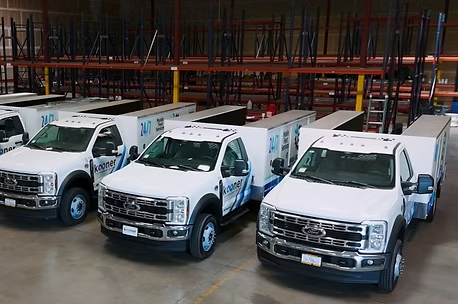
Based off of this Quimby video Technology is transforming the transportation industry, but for many small fleet operators, the complexity of AI, APIs, and connected systems can feel overwhelming. At Kooner FMS, the focus is on making technology simple, smart, and impactful, ensuring that every fleet – regardless of size – can benefit from modern solutions without disruption. Guiding Clients Through the API Process APIs, or application programming interfaces, are critical for connecting disparate systems, enabling fleets to leverage data from telematics, OEM systems, and other digital tools. Yet for small fleets, the setup process can feel daunting. That’s where Kooner FMS steps in. Mike Quimby, COO of Kooner FMS, explains: “We make it relatively seamless for the client. We guide them through the whole API process. We have unlimited API access into our system and a dedicated IT and support team that works closely with the client.” By providing hands-on guidance, Kooner FMS ensures that small fleets can integrate with the platform efficiently. This approach removes barriers to adoption, allowing operators to focus on running their business rather than troubleshooting technology. Simplicity Meets Intelligence While APIs and AI can sound complex, Quimby emphasizes that technology should ultimately be simple and intelligent. “Technology just needs to be really simple and it needs to be smart and make improvements for the client’s fleet.” Kooner FMS prioritizes solutions that are intuitive and actionable. Rather than overwhelming fleet managers with raw data, the platform delivers insights that drive measurable improvements, from predictive maintenance and optimized dispatch to more efficient routing and reduced downtime. Support Every Step of the Way A key differentiator for small fleets is the level of support offered during setup and beyond. Kooner FMS provides not only technical guidance but also ongoing support, ensuring that the system continues to deliver value as fleets grow and evolve. Fleet operators gain a reliable partner who helps them navigate technology with confidence, rather than leaving them to figure it out alone. Why Seamless Integration Matters For small fleets, every minute counts and every decision impacts the bottom line. Seamless API integration allows fleets to leverage technology without disruption, turning complex systems into actionable insights that improve performance. By combining simplicity, intelligence, and dedicated support, Kooner FMS ensures that even smaller operators can compete with larger fleets and take full advantage of digital tools. Conclusion Modern fleet technology doesn’t have to be intimidating. With the right guidance and support, small fleets can implement APIs and AI-driven solutions quickly and efficiently. Kooner FMS focuses on making this process seamless, providing smart, actionable tools that drive measurable improvements for every client. By removing complexity and delivering simplicity and intelligence, Kooner FMS empowers small fleets to optimize operations, reduce downtime, and make data-driven decisions, all without the headaches that often accompany technology adoption.
Predictive Analytics and AI: Driving Real Impact for Trucking Carriers

Based off of this Quimby video Technology is transforming the trucking industry, but not all innovations deliver equal value. For carriers and fleet managers, the key lies in leveraging solutions that provide actionable insights, improve efficiency, and reduce downtime. At Kooner FMS, predictive analytics powered by AI is emerging as one of the most impactful tools for fleet management today. Turning Data Into Actionable Insights Modern fleets generate vast amounts of data – from vehicle sensors, telematics, and OEM systems to field-first technology solutions and third-party suppliers. While the volume can be overwhelming, Kooner FMS focuses on distilling this data into actionable intelligence. “We get data from all sorts of sources. Then we take that information and really distill it down to make it actionable.” – Mike Quimby, COO, Kooner FMS This approach ensures fleet managers aren’t drowning in information – they’re empowered to make smarter, faster decisions that directly impact operational performance. Predictive and Prescriptive Maintenance Predictive analytics does more than track performance – it anticipates potential failures before they occur. By identifying maintenance needs ahead of time, fleets can schedule repairs proactively, reduce unplanned downtime, and extend the life of assets. “As the fleet manager, we want it to be predictive and prescriptive in what we’re doing for the client.” – Mike Quimby, COO, Kooner FMS In other words, it’s not enough to know a problem might occur. AI-powered tools help determine the best course of action – from repair timing to technician and parts allocation. This proactive approach transforms maintenance from a reactive, costly process into a strategic advantage. Open APIs and Integration for Maximum Impact One of the strengths of Kooner FMS’s approach is its ability to integrate multiple data sources through open APIs. By consolidating information from OEMs, telematics providers, and field technology systems, predictive analytics becomes more precise and meaningful. Fleet managers gain a holistic view of operations, enabling them to identify patterns, optimize schedules, and make decisions backed by real-time, accurate data. Empowering Fleet Managers and Drivers The ultimate goal of predictive analytics isn’t just efficiency -it’s empowerment. Fleet managers, dispatchers, and technicians can act on insights confidently, knowing recommendations are based on comprehensive, real-world data. The result is smoother operations, reduced downtime, and improved customer satisfaction. Conclusion AI-driven predictive analytics is no longer a futuristic concept – it’s a practical tool already transforming fleet management. By turning raw data into actionable insights, providing predictive and prescriptive guidance, and integrating multiple systems seamlessly, Kooner FMS is helping trucking carriers work smarter, not harder. For fleets navigating complex operations, embracing predictive technology means more than avoiding breakdowns – it means making every mile safer, more efficient, and more profitable.
Urban Fleet Management Challenges and Solutions

City fleets keep our daily lives moving from food delivery vans and service trucks to rideshares and public transportation. But managing these fleets in urban environments is no easy task. Between traffic congestion, rising fuel costs, parking constraints, and shifting regulations, fleet operators face a complex puzzle every day. Let’s break down the most pressing challenges for urban fleet managers today and explore solutions that are already making a difference. 1. Congestion and DelaysUrban traffic is more than an inconvenience; it’s a direct hit to productivity and profit. According to the Texas A&M Transportation Institute, urban congestion caused drivers to spend over 8.7 billion hours in traffic in the U.S. annually. For fleet operators, that translates into late deliveries, higher labour costs, and increased fuel use. What’s Working: Real-time routing tools powered by GPS and traffic data help drivers reroute around jams. More companies are investing in dynamic dispatch systems that adjust schedules on the fly and stagger delivery times to avoid rush hour. 2. Fuel Costs and Inefficient Routes Fuel makes up a large portion of operating costs. In cities, stop-and-go driving, idling, and inefficient routes waste more fuel than most realise. What’s Working: Modern fleet management software helps with fuel management by tracking fuel consumption, idle time, and inefficient patterns across the entire fleet. With the right tools, some fleets have reported up to a 25% improvement in fuel efficiency, according to a Verizon Connect survey. 3. Limited Parking and Loading Zones In dense urban areas, finding legal parking or a loading dock is often harder than the delivery itself. Time spent circling blocks or waiting for access eats into productivity and increases emissions. What’s Working: Some cities are testing curb management platforms that let fleet drivers reserve loading zones in advance via mobile apps. Private sector solutions like shared loading hubs or “last-mile” delivery lockers also help reduce the number of vans on the road. 4. Maintenance in Motion Urban fleets are constantly moving, and scheduling downtime for vehicle maintenance can be disruptive. When breakdowns happen in traffic or on narrow streets, recovery becomes even more complicated. What’s Working: Mobile maintenance services are gaining popularity, especially for fleets that can’t afford long service delays. Providers bring technicians and tools directly to the fleet, performing routine maintenance or roadside repairs without removing the vehicle from its daily route. 5. Regulatory Pressures and Compliance Urban areas often have stricter environmental standards, vehicle restrictions, and compliance rules. Whether it’s low-emission zones or vehicle size limits, keeping up with local regulations is a full-time job. What’s Working: Fleet operators are adopting compliance management tools that track inspection records, emissions data, and driver certifications. Some are also transitioning to electric vehicles to meet city mandates while reducing fuel dependency. Looking Ahead: Smarter, Not Just Bigger The pressure on urban fleets isn’t going away — but with smarter tools and proactive strategies, it’s manageable. The focus now is on sustainability, agility, and data-informed decisions. Whether through better route planning, mobile repairs, or electrification, urban fleets are learning to adapt and thrive despite the hurdles. Urban fleet management may always come with challenges, but with the right approach, those challenges can turn into competitive advantages. To explore solutions for your urban fleet, visit Kooner Fleet Management Services or contact us today.
The Fleet Tech That Actually Matters in 2025 (And What’s Still Just Noise)
The transportation industry is drowning in new ideas right now, and every fleet manager searching for the right fleet management technology is asking the same question. Which innovations actually matter? Some tools actually improve your fleet operations. Some are just buzzwords pretending to be the future. And if you are managing drivers, assets, and constant pressure from customers, you do not have time for hype. You care about what helps you build safer, faster, more efficient movement on the road today. This breakdown is based on insights from the Quimby video featuring Mike Quimby, COO of Kooner Fleet Management Solutions, and it cuts straight to what is real in fleet management technology. AI: The Only Tech Delivering Real Results Right NowAI is not a theory anymore. It is the one technology already helping fleets work smarter.And if you are using anything from routing tools to fleet management software, you have already felt the shift.“AI is absolutely worth looking at. It is impacting our business and our clients’ business today,” Quimby says in the video. He is not exaggerating. AI is the engine behind modern fleet efficiency solutions. Here is what AI actually does for your fleet: Predictive maintenance that sees problems before breakdowns Smarter fleet dispatching with fewer human errors Route optimization that cuts fuel costs and delays Real-time data turned into decisions, not just dashboards This is the part people miss. AI is not replacing your team. It is expanding what they can see, decide, and prevent. That is why AI for fleet management keeps winning because it works immediately. Want stronger support during unexpected breakdowns? Explore roadside assistance here: Autonomous Vehicles: Impressive, But Not Fully Ready for You Autonomous fleet technology looks incredible on paper. The reality on the highway is completely different. In controlled environments, it works well. Across the country, with uneven infrastructure, it is not ready. “We are not there yet as a country,” Quimby says. You can feel that gap every time you look at real-world logistics. Autonomy will eventually support safer roads and smoother long hauls. For now, it remains a developing transportation technology trend. This is not your plug-and-play solution today. It is something to monitor, not something to buy. Blockchain: Quiet Now, But Ready to Shake Up Logistics If AI is loud, blockchain in logistics is quiet. Maybe too quiet. But that will not last. Blockchain has the power to rebuild how freight moves between shippers and carriers. It can create transparent transactions. It can reduce brokerage costs. It can settle disputes faster. It can clean up messy data across partners. It is not widely deployed yet. But Quimby points to its growing role, and he is right. Once adoption increases, it will reshape trust and efficiency across the supply chain. This is a tool to watch closely. Not hype. Just early. To learn more, watch: AI, Autonomous Trucks & Hydrogen: What’s Hype vs. What’s Real in Transportation Hydrogen: The Underrated Energy Bet for Heavy Fleets Hydrogen often gets overshadowed by electric vehicles. Here is the twist. Hydrogen powered fleets could fit heavy duty transportation better. More range. Less downtime. Cleaner operations. Hydrogen infrastructure is young, but Quimby expects visibility to increase within five years. If your business depends on long haul performance, this is a technology you do not need today but should prepare for. Hydrogen is not a fantasy. It is a slow and steady shift with huge potential. So What Should You Focus On Right Now? With so many trends competing for attention, here is the clear path. You do not need every new tool on the market. You only need the ones that make your fleet faster, safer, and easier to manage. Use Now AI Predictive maintenance Data-driven fleet management technology Track Closely Autonomous vehicle progress Blockchain in logistics Prepare For Hydrogen solutions Changing regulations Clean fleet requirements This approach helps you invest smartly without wasting time or money. Conclusion: Focus on What Works Today, Prepare for Tomorrow The future of fleet technology is not about chasing trends. It is about choosing the tools that make your fleet safer and more profitable right now. AI is already delivering value. Autonomy and blockchain are evolving. Hydrogen is close to mainstream adoption. If you want a partner that focuses on real-world results instead of buzzwords, Kooner Fleet Management Solutions is already building the tools that help fleets reduce downtime and boost efficiency. The Fleet Tech That Matters in 2025: AI vs Hype | Kooner FMS Cutting through the fleet tech noise: AI is delivering results now, while autonomous vehicles, blockchain, and hydrogen are still emerging. Focus on what works today.
Introducing FleetIQ™: The Next Generation of Fleet Management Technology

Introducing FleetIQ™: The Next Generation of Fleet Management Technology Most fleet teams are trying to keep up with rising pressure, shrinking margins, and nonstop breakdowns. If you are juggling uptime, driver coordination, surprise repairs, and the constant need for reliable fleet repair services, you know exactly how heavy that feels. And that is why this next part matters so much. FleetIQ is built to make your life easier the moment you plug it in. It is Kooner Fleet Management Solutions in its smartest form, bringing real intelligence into the day-to-day work that keeps your trucks moving. Because you deserve tools that work as hard as you do. What FleetIQ Actually Solves Every fleet is losing money in places that are easy to miss. Small breakdowns. Delayed dispatching. Technicians are stretched thin. Communication gaps that turn into big headaches. FleetIQ gives you the visibility and control to stop those losses fast. The best part it does it without adding the extra work. You feel the difference immediately in both operations and fleet repair services coordination. Predictive Maintenance That Protects Every Mile If you have been in this industry for some time, you know how most breakdowns do not come out of nowhere. FleetIQ monitors your components in real time and flags issues before they turn into expensive failures. That kind of insight strengthens your uptime and makes your planning easier. Operators use FleetIQ to: Schedule repairs before failure Reduce downtime with earlier alerts Extend asset life through smarter decisions This is where fleet maintenance and repair, and long-term planning finally align. It changes everything. Automation That Feels Like an Extra Team Member If dispatching feels chaotic, you are not alone. The wrong job goes to the wrong tech. Routes shift last minute. Appointments slip through cracks. FleetIQ fixes that with automation that feels almost personal. It matches the right technician to the right job and keeps routes efficient. Technicians in the field get cleaner workflows and faster information. Your team moves smoothly. Your customers get faster service. Your day suddenly feels lighter. This is the power of intelligent fleet management solutions supporting both everyday work and ongoing fleet repair services. One Platform. Every Role. Total Clarity. If your systems do not talk to each other, you feel it instantly. FleetIQ pulls everything into one command center.ERP. CRM. Telematics. Dispatch. All in one place. Everyone sees the same information Fleet managers Dispatchers Back office teams Technicians Drivers That kind of clarity builds internal trust and stronger service delivery. It makes onsite repairs and maintenance smoother, faster, and easier to document. It also connects seamlessly with your existing fleet repair services partners. Real Results Coming From Real Fleets The early numbers say it all. 40 percent faster response times 30 percent less downtime 25 percent fewer unnecessary work orders When people, data, and daily work finally align, this is what happens. It is not hype. It is proof.
Reefer Maintenance: How to Survive the Summer

Tips from Kooner FMS to protect loads and maximize uptime With Kooner Fleet Management Solutions, summer Maintenance of your Refrigerated Fleet is Vital! Fleets using refrigerated trailers experience the highest demand during the summer months due to the impact of high heat and humidity, putting added pressure on the refrigeration systems. The Summer months put Extreme Stress on the refrigeration units, resulting in shortened life expectancy of Several Major Components. Because of this increased pressure on the equipment, the risk of temperature failures and subsequent Loss of Product increases significantly every time the refrigeration units run under these temperature conditions. Through our Partnerships with Mid-Sized to Large Fleets, we focus on preventive measures to be used by their employees, Preventive Maintenance, and Preventive Downtime. Summer months are typically the most Critical to the Fleet Operations. Why Summer Is the Breaking Point for Reefer Fleets Refrigerated Trailers are designed to operate within Specific and Narrow Temperature Ranges. These Distinct Temperature Ranges are essential to maintaining the refrigerated products within the Temperature Standards defined by each Product Line. In the summer months, keeping these Temperature Ranges stable gets more difficult with every mile travelled. The Increase in Ambient Heat Forces the TRUs to run longer Cycle Times, consume More Power, and endure more continual Repeated Stress on Critical Components of the Equipment Compared to the Winter Months. In other words, what may last for Years during the Winter Months may only Last months once the Outside Temperature or Ambient Temperature Increases. One short cooling lapse can compromise an entire load. That reality makes summer the most expensive season for unprepared fleets. Those who treat reefer and preventive maintenance as routine stay ahead. Those who do not often learn the cost the hard way. Preventive Maintenance Is Your First Line of Defense With consistent use of preventative maintenance, fleets will be prepared for rising ambient temperatures as well as unanticipated vehicle failures. This is because every fleet has established a preventive maintenance inspection schedule, allowing them to detect problems before they become severe enough to cause damage. When fleets rely on “when they see a warning light,” they are often too late to take action. A Transport Topics report found that about 60 percent of reefer failures stem from poor seasonal maintenance, costing operators thousands in repairs and lost freight. A quality preventative maintenance programme will decrease the number of roadside incidents, maintain the integrity of the product, and stabilise operations during peak demand periods. Inspection Best Practices Before Every Trip A Journey Is A Good Time To Catch A Failure Before It Happens! Before vehicles are dispatched, it is important for technicians and drivers to conduct inspections that give priority to cooling performance and system health. Key Areas to Inspect: Determine Refrigerant Levels So That Compressors Won’t Be Overworked and Your Refrigeration Systems Will Be Able to Cool All Areas of the Vehicle Evenly. Inspect Condenser and Evaporator Coils For Dust, Debris, or Airflow Restrictions Check Belts, Hoses, and Seals For Damage Due To Heat Check That Your Cargo Is Loaded Properly So That You Can Have Continuous Airflow Throughout the Vehicle Monitor Engine RPM For Indications Of Poor Performance or Stress While these checks may sound like common sense, they are absolutely essential during the Summer Months! Power Management Can Make or Break a Load High heat exposes weak electrical systems fast. Batteries degrade more quickly in extreme temperatures, and an inconsistent power supply can lead to sudden shutdowns or unstable cooling performance. When power fails, refrigeration fails. Best practices include: Routine battery voltage testing with a minimum target of 12.2 VDC Replacing aging batteries before peak summer demand Diagnostic and electrical system inspection to look at wiring and connections for corrosion or looseness Using solar charging solutions to support trailers during idle periods Power reliability is not just about equipment. It is about protecting cargo. Temperature Monitoring Provides Early Warning With telematics systems, fleets will have access to information about their operations at times when this information is critical to their success. By monitoring temperature patterns and fluctuations in real time, teams are able to detect a temperature fluctuation before it affects the quality of their products. Alerts allow teams to make proactive decisions rather than waiting until an emergency occurs. When dispatchers, drivers, and last-mile maintenance staff are able to see the same insights through telematics systems, problems can be resolved more quickly and with less disruption. Quality Parts Matter More in Extreme Conditions The selection of quality parts becomes crucial when repair work needs to take place. When selecting parts, Original Equipment Manufacturer (OEM) parts are built to handle continuous operation with very high levels of heat, where aftermarket (or “grey market”) parts may provide a more affordable initial purchase price, but then become useless under the more extreme temperatures and workloads of summer months. The American Trucking Associations’ Technology & Maintenance Council reports that fleets spend a significant portion of their maintenance budget on replacement parts and labor, and even small savings in part failures can reduce overall downtime and costs. For high-value freight that must adhere to government regulations, reliability is more than a convenience; It is a requirement. By sourcing only quality parts, companies prevent repeated failures, protect compliance, and increase the life expectancy of their equipment. The Cost of Skipping Summer Maintenance A reefer failure is never isolated. It affects customers. It impacts compliance. It creates unplanned downtime. It strains driver and technician resources. A single failed unit can disrupt multiple loads and damage long-term relationships. Preventive maintenance costs far less than recovery. How Kooner FMS Supports Summer Readiness Kooner Fleet Management Solutions provides fleets with a reefer-oriented maintenance program specifically aimed at reducing the risk of breakdowns due to extreme heat conditions. Through its experienced team members, Kooner FMS provides fleets with the following support: Identifying risk points from heat before they result in equipment failures, Conducting summer-focused inspections and diagnostic checks, Tracking and responding promptly to performance trends and alerts, and
How FleetIQ™ Became One of 2025’s Most Impactful Supply Chain Technologies

The supply chain sector continues to undergo rapid transformation as logistics operators push for smarter, faster, and more reliable ways to keep freight moving. In that landscape, technology isn’t just a competitive advantage, it’s the backbone of modern operations. This is why the 2025 Top Tech Startup Award from Food Logistics and Supply & Demand Chain Executive carries so much weight. The award highlights the most promising software and technology innovators who are redefining how supply chains operate. This year, Kooner Fleet Management Solutions (Kooner FMS) and its flagship platform, FleetIQ™, earned a place on this prestigious list, distinguishing the company as one of the most forward-thinking disruptors in the logistics technology ecosystem. Setting a New Standard for Fleet Intelligence FleetIQ™ was built with a clear mission, to make fleet operations more predictable, more efficient, and easier to manage. As a proprietary fleet intelligence and maintenance management platform, it gives customers a single, integrated system to manage repairs, optimize service workflows, and support drivers and technicians in real time. The platform brings together several critical capabilities that address the realities of today’s transportation environment. With fleets under pressure to reduce downtime, control costs, and navigate ongoing labor constraints, FleetIQ™ delivers a new model for maintenance management: Predictive scheduling grounded in real-time vehicle data Automated dispatch logic ensures the right technician is assigned to every job Intelligent routing that improves response times and service outcomes Centralized visibility across dispersed assets and field teams The result is streamlined operations, and measurable impact. Across early customer deployments, FleetIQ™ has delivered: 40% faster service response times 30% reduction in vehicle downtime 25% fewer unnecessary work orders These performance gains underscore the broader trend highlighted by this year’s award: among all 2025 Top Tech Startup winners, nearly 60% identify as AI-driven companies. Intelligent automation is no longer emerging, it’s becoming the industry standard. Industry Recognition That Validates a Customer-Centered Vision As Marina Mayer, editor-in-chief of Food Logistics and Supply & Demand Chain Executive, noted, the award celebrates startups that are actively solving the challenges that stand between supply chains and long-term sustainability: efficiency, transparency, and cost control. For Kooner FMS, the honor reflects years of intentional innovation rooted in customer needs. “We built FleetIQ with a simple but ambitious goal: empower fleets with technology that makes their operations more predictable, more efficient, and easier to manage,” said Gary Kooner, Founder and CEO. “Being named a Top Tech Startup is powerful validation of what our teams are creating and the impact we’re already delivering for customers across North America.” A High-Growth Company Expanding Its Footprint Founded in 2016, Kooner FMS has rapidly scaled into one of North America’s fastest-growing fleet service providers. The company now supports logistics, transportation, and Fortune 500 customers across 26 U.S. states and Canada, and has grown its workforce more than 2,600% since 2020. With plans to hire more than 100 additional technicians and corporate employees in the coming year, the organization continues building the infrastructure needed to support fleets nationwide while maintaining its commitment to exceptional service and technical excellence. Raising the Bar for Fleet Operations Across the Supply Chain Kooner FMS offers a full suite of services that span the maintenance and operational needs of modern transportation businesses, including: On-site and mobile fleet repair Preventative maintenance programs Fleet optimization Driver safety and compliance management Advanced analytics for real-time monitoring and reporting FleetIQ™ sits at the center of this ecosystem, enabling customers to scale confidently while reducing operational friction and cost. Looking Ahead As supply chain demands intensify and fleets face growing pressure to operate with precision, platforms like FleetIQ™ demonstrate how real-time data and intelligent automation can fundamentally reshape what’s possible. Earning the 2025 Top Tech Startup Award is more than a milestone, it’s a signal that the industry is ready for a new generation of fleet technology built for transparency, agility, and performance. Kooner FMS is committed to leading that transformation and continuing to deliver technology that keeps supply chains moving.
The Biggest Tech Shift in Trucking: Real-Time, Field-First, and Uptime-Driven
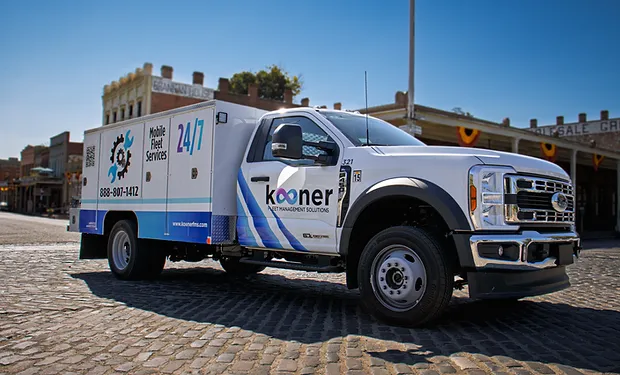
The past year has been a turning point for trucking technology. While the industry has always been known for tight margins and operational complexity, the last 6-12 months have brought an undeniable shift: technology is no longer a “nice to have.” It’s becoming the foundation of competitiveness. Fleets, shippers, and brokers now expect real-time visibility, intuitive workflows, and tools that directly reduce downtime. Here are three of the most important changes we’ve seen shaping the industry: 1. Real-Time Visibility is Now Table Stakes A few years ago, sharing location updates or maintenance status was considered innovative. Today, it’s simply expected. Shippers and brokers want to know where their freight is, when it will arrive, and whether the equipment carrying it is road-ready. Fleets that can’t provide live data on vehicle health, compliance, and ETAs risk losing contracts to competitors who can. This shift is about more than convenience, it’s about trust. Real-time visibility gives customers confidence, minimizes disputes, and strengthens long-term partnerships. The winners will be fleets and service providers that not only capture this data but also make it accessible and actionable across the supply chain. 2. Field-First Platforms Are Taking Over Legacy systems and paper-based processes are fading fast. More fleets are adopting field-first, mobile-friendly platforms that work for technicians, drivers, and dispatchers in real time. It’s no longer enough for technology to serve the back office, the people turning wrenches and hauling loads need tools that are easy to use and deliver immediate value. This focus on usability is driving higher adoption rates and more meaningful outcomes. Fleets that once struggled with compliance tracking, service requests, and scheduling now have everything centralized in one place. That means less duplication, faster workflows, and better decision-making on the ground. 3. Uptime Has Become the Top Priority Trucking has always been about keeping wheels turning, but the pressure today is sharper than ever. With tight capacity and heightened customer expectations, a single tractor or trailer going down can mean missed loads, contractual penalties, or even lost relationships. In response, fleets are doubling down on technologies that directly improve uptime: predictive maintenance, integrated diagnostics, and intelligent dispatching. These solutions help identify problems before they escalate, ensure the right technician is assigned, and minimize time off the road. For fleets, uptime is no longer just a cost-management metric, it’s a competitive advantage. The Bottom Line The biggest shift in trucking tech over the past year is the move from “nice-to-have” innovations to non-negotiable capabilities. Real-time visibility, field-first usability, and uptime optimization are now the standards fleets must meet to remain competitive. At Kooner Fleet Management Solutions, we’ve seen firsthand that when fleets embrace technology designed for the field and focused on outcomes, the results speak for themselves: reduced downtime, stronger customer trust, and greater operational efficiency. The future of trucking belongs to fleets that turn tech into real-world results, and that future is already here.
SMB Fleets: The Tech You Can’t Afford to Ignore

SMB fleet operators spend big on platforms that promise the moon but end up getting ignored by teams. The software collects dust. The dashboards stay empty. And the trucks? They’re still breaking down at the worst possible times. There’s an enormous difference between impressive-sounding technology and technology that works in practice. Small and mid-sized fleets can no longer afford to sit back and watch their larger counterparts pull ahead. Why Most Fleet Technology Fails Small Operators The problem isn’t that SMBs lack technology. It’s that they’re drowning in the wrong work. Enterprise systems designed for large fleets do not adapt well to small operations. The AI tools that require data scientists to interpret them lie unused. Platforms made by people who have never used a wrench or sent off a driver at two in the morning miss the point completely. What may prove effective for a Fortune 500 carrier is likely to create more problems for a 15-truck carrier. Fleet technology must make your hardest jobs easier, not make your day more difficult and chaotic. The Four Technologies Actually Worth Your Investment Eliminate distractions and focus on what truly makes an impact. All four of those technologies have a single thing in common; they solve costly, situation-specific problems that every SMB fleet faces every day. No theoretical benefits or five-year ROI projections. Only effective tools that bring down downtimes, lower costs, and keep your operation high from day one. 1. Mobile-First Service Management: Because Your Team Isn’t Chained to Desks Your mechanics work in bays. Your drivers work on highways. Your dispatchers are running calls while running around the offices. They don’t have time to log into a desktop computer to update a work order. The people who actually work on the vehicle perform fleet maintenance and repair using mobile-first apps and platforms. Service requests flow through smartphones. Work orders get completed on tablets in the field. Real-time updates occur from where your team is. If something seems right during the pre-trip inspection, a driver should not have to remember to report it six hours later. A quick tap on a button takes an instant photo and auto-routes the issue to your maintenance team. Adoption drives everything. In the case that your team finds it too clunky to use daily, the world’s most powerful system means nothing. 2. Telematics Integration: From “Where’s My Truck?” to “What Does My Truck Need?” Basic GPS tracking tells you where assets are. That’s table stakes now. Using advanced telematics, you can learn of your asset’s needs before they break down on the side of I-40. When telematics data is fed into maintenance scheduling, you go from firefighting to scheduling. Engine hours, brake temperatures, DEF levels, and tire pressure all flow automatically into your truck and trailer repair workflows. This isn’t about adding more dashboards to monitor. It is connecting the dots between what is happening on the road to what needs to happen in your shop. After the set interval of engine hours, the oil change reminder in the truck will auto-schedule a service appointment. Instead of scrambling 3 states away for a breakdown, your team books it during scheduled downtime. Technology that tracks isn’t the same as technology that prevents. 3. Customer Communication Tools: Because Silence Kills Contracts Shippers and brokers don’t just want their freight moved. They desire to know when it will move, where it is, and when it will reach. Radio silence creates anxiety. Anxiety creates phone calls. Phone calls create wasted time for everyone. Platforms that promote two-way communication keep everyone on the same page without needing to ask for updates all the time. When a truck goes down for repair, your customer is automatically updated. When estimated delivery times shift, they know immediately. Last-mile maintenance services during the final stretch of delivery are crucial. If a delivery is delayed due to a mechanical problem, your customer shouldn’t learn about it through irate phone calls from their customers. When you use real-time communication tools, you become less of a carrier and more of a partner. This leads to them renewing their contracts and referring other organisations to us. 4. Smart Dispatch and Routing: Stop Burning Fuel and Time Small and medium-sized businesses (SMB) margins get destroyed by fuel costs and wasted hours. Smart dispatch systems match the right technician/driver to the right job using real-time data around their location, relevant skillset, and current workload. AI can inform delivery personnel of the best route depending on traffic, the weather, and delivery windows. This isn’t about replacing human decision-making. It provides dispatchers with the right information so they can make decisions faster. The system immediately picks which service technician is available and is the closest in proximity. Routing software determines the sequence of deliveries that minimizes mileage when there are multiple deliveries. This helps level the playing field for SMB fleets that battle against massive carrier networks. You may not have 1,000 trucks at your disposal, but you can run your 15 trucks as efficiently as anyone. What “Essential” Actually Means for Your Bottom Line Vital technology pays for itself. Not in possible future savings but with measurable returns in short order, often within months. Reduced downtime means more revenue miles. Better utilization of assets means you can take on more work without buying more trucks. Stronger relationships with customers mean better retention and premium pricing Fleet management services and technology should lower your headache list, and not increase it. Technology that requires a dedicated IT person to maintain a platform or to train a team for weeks is not essential for an SMB. It is enterprise bloat masquerading as innovation. The fleets winning right now stopped chasing every shiny tool and started ruthlessly focusing on technology that solves the three biggest issues for fleets: Keeping trucks moving, keeping teams efficient, and keeping customers happy. Making Technology Work in Your Operation Use one system at a time. Ensure you and your staff are utilizing it. See actual impact before adding