

Reactive vs. Preventive Fleet Maintenance

Reactive vs. Preventive Fleet Maintenance A truck breaks down 500 miles from home. The driver is stranded. The delivery window is closing. Your operations team is in panic mode. Now comes the scramble. You call for emergency roadside assistance, hunt for truck roadside assistance, and pay a premium for mobile truck repair services just to get the vehicle moving again. What started as a small issue quickly turned into a major cost event. Here’s the uncomfortable truth: Is saving $500 today worth losing $5,000 tomorrow? Because that’s exactly what reactive maintenance does: it delays the spending and multiplies the damage. The Upfront Costs: The Illusion of Savings At first glance, reactive maintenance looks like the cheaper option. There are no scheduled expenses, no planned servicing, and your budget appears under control. But this short-term thinking hides the true cost. Reactive Side: “We’ll Fix It When It Breaks” At first glance, reactive maintenance feels like the smarter financial move. There’s no scheduled expense. No planned downtime. Your maintenance budget looks clean. But this “zero-cost” mindset is misleading. The moment something fails, the costs hit hard: Premium pricing for roadside truck repair Surge charges for mobile truck repair services Expedited parts and emergency labor On average, 9% of every $100 spent to operate a commercial vehicle now goes directly toward maintenance and repair. Preventive Side: “Plan It. Control It.” With structured fleet maintenance and repair and consistent commercial fleet maintenance, you move from chaos to control. Instead of reacting to failures, you prevent them. Scheduled inspections Predictable service intervals Standardized repair costs Your expenses become a fixed, manageable line item instead of unpredictable spikes. Winner: PreventiveBecause in business, predictability beats surprises. The Downtime Disaster Downtime is where small maintenance decisions turn into major business losses. One breakdown can halt operations, delay deliveries, and force reliance on costly 24-hour roadside assistance for trucks. Without a plan, reactive maintenance keeps fleets stuck in a cycle of disruption, while proactive strategies focus on uptime, efficiency, and consistent performance. Reactive: Chaos on Wheels Breakdowns don’t just cost money. They disrupt your entire operation. Drivers sit idle, burning hours Deliveries are delayed or missed Dispatch teams scramble for 24-hour roadside assistance for trucks Customer trust starts to erode Every hour your vehicle is off the road is revenue lost. And in high-volume operations, that loss compounds quickly. Preventive: Precision That Pays Preventive maintenance eliminates uncertainty. With onsite repairs and maintenance, issues are handled before they escalate. Often, during off-hours or scheduled downtime, without disrupting operations. This is where modern fleet management solutions make a real difference: Reduced breakdown frequency Optimized service schedules Maximum vehicle availability Instead of reacting to problems, you’re staying ahead of them. Winner: PreventiveBecause uptime isn’t just efficiency, it’s a profit. Asset Longevity and Resale Value How you maintain your fleet directly impacts how long your vehicles last and what they’re worth at resale. Reactive maintenance accelerates wear and leads to costly failures, while consistent fleet repair and maintenance protect performance, extend lifespan, and preserves asset value over time. Reactive: Run It Till It Fails Reactive maintenance puts constant stress on critical components. Small issues go unnoticed until they become major failures. The result: Shorter vehicle lifespan Higher frequency of costly repairs Reduced resale value You’re not just paying more today. You’re losing long-term asset value. Preventive: Extend and Protect With consistent fleet repair and maintenance, your vehicles operate at optimal performance for longer. Engines run smoother Wear and tear is managed early Major failures are avoided Fleets that follow preventive schedules often see up to 25% longer vehicle life and significantly better resale returns. This is where truck fleet management shifts from cost to investment. Winner: PreventiveBecause long-term ROI always outperforms short-term savings. The Total Cost of Ownership Scorecard Looking at individual repair bills only tells part of the story. The real impact of fleet maintenance and repair decisions shows up when you evaluate the total cost of ownership over time. From labor and parts to towing and missed deliveries, reactive maintenance quietly inflates every expense category. In contrast, a structured commercial fleet maintenance approach keeps costs controlled, predictable, and aligned with long-term profitability. Expense Category Reactive (The Loser) Preventive (The Winner) Repair Labor Premium Emergency Rates Standard Shop Rates Parts Full Component Replacement Minor Wear-and-Tear Parts Towing Frequent and Expensive Rare and Minimal Delivery Penalties High from Missed Windows Low with Reliable Service The Verdict: Why Prevention Wins the Profit Game Reactive maintenance is not a strategy. It’s a gamble that puts your operations, revenue, and reputation at risk. Preventive maintenance, on the other hand, is a system. It brings structure, predictability, and long-term savings. Yes, investing in professional fleet management services or working with a truck management company like Kooner FMS comes with a cost. But that cost is significantly lower than the cumulative impact of repeated breakdowns, emergency repairs, and operational disruptions. When you step back and look at the full picture, the choice becomes obvious. Prevention doesn’t just reduce costs. It protects your entire business model. Where This Matters Most This shift is critical for industries that rely heavily on vehicle uptime: Trucking and logistics companies Construction and utility fleets Food distribution and reefer operations Delivery businesses are dependent on the Last Mile fleet Maintenance If your fleet stops, your business slows. And if it slows too often, it starts to fall behind. Stop waiting for breakdowns to dictate your expenses. Switch to smarter fleet management solutions that prioritize proactive care, reduce downtime, and protect your margins. Get a Fleet Maintenance Quote Today.
Where Kooner Fleet Management Operates and How We Support Fleets at Scale

Fleet operations are no longer limited to one city or one state. Vehicles move across regions, schedules stretch across days, and routes often cross borders. As fleets grow, maintenance becomes harder to manage. Service quality starts to vary. Vendor coordination becomes a daily challenge. Small delays begin to impact larger operations. That is the gap we solve at Kooner Fleet Management Solutions. Where We Operate We support fleets across 50 states in the United States, with coverage focused on the country’s most active logistics and freight corridors. This includes regions such as California, Texas, Ohio, Florida, Georgia, Illinois, Arizona, Washington, and Pennsylvania, along with several other high-volume operating zones. Our approach is not about being present everywhere. It is about being present where it matters most. Instead of working with different local vendors in every region, fleets work with one partner that brings consistency across locations. That means: One partner across multiple states Standardized service quality Consistent maintenance practices For fleets operating in multiple regions, this removes the complexity of managing fragmented service networks. Coverage That Extends Into Canada Our operations are not limited to the United States. We also support fleets in Canada, making it easier for businesses that operate across North America to manage maintenance without disruption. This is especially valuable for: Cross-border logistics companies Long-haul trucking operations Enterprises with multi-country supply chains Instead of coordinating separate service partners in different countries, fleets operate with a single, unified maintenance strategy. This brings: Consistent service standards across borders Centralized visibility into fleet performance Simplified vendor management Built for Fleets That Do Not Stay in One Place Traditional maintenance models rely on fixed shop locations. We do not. Our model is designed around where your fleet actually operates. Whether vehicles are at a job site, parked at a depot, or on the road, our service reaches them directly. Mobile-First Service Our mobile units and technicians handle maintenance and repairs on-site. This includes: Preventive maintenance On-site repairs Roadside support You do not need to reroute vehicles or wait for shop availability. Service comes to you, reducing delays and keeping operations on track. Centralized Fleet Management Managing multiple vendors across regions creates inconsistency. We replace that with a single, structured fleet management system. Through our centralized approach, you get: Standardized maintenance programs Real-time visibility into fleet health Unified reporting and tracking This ensures your fleet operates with the same level of control, regardless of location. Round-the-clock Operational Support Fleet issues do not follow a schedule. Our teams are available 24/7 to handle breakdowns, urgent repairs, and ongoing service needs. This keeps your fleet moving without unnecessary interruptions. Why This Model Works at Scale As fleets expand, most operations become reactive. Maintenance gets delayed. Costs increase. Minor issues escalate into major failures. We built our model to prevent that. Consistency Across RegionsService quality does not change based on location. Complete VisibilityYou have a clear view of your fleet’s condition across all operating areas. Single Point of AccountabilityYou are not managing multiple vendors. We take ownership of maintenance performance. What This Means for Your Fleet Without the right structure, growth creates operational pressure. Downtime increases. Maintenance costs become unpredictable. Managing service becomes more complex. We help remove that pressure. By combining focused regional coverage, cross-border support, and a proactive maintenance model, we give fleets a system that scales with them. Final Thoughts Fleet management today is regional, multi-state, and often cross-border. It requires more than just service availability. It requires consistency, visibility, and control. That is how we have built Kooner Fleet Management Solutions. Whether your fleet operates across a few states or moves between the U.S. and Canada, we make sure your maintenance stays aligned, your costs stay controlled, and your vehicles stay on the road. Looking for a fleet partner that operates where your business runs? Get in touch with us to see how we can support your fleet across every location you serve.
Building More Than a Product Launch: Why FleetIQ™ is a PR Daily Finalist

Most brand launches are judged at the finish line. That’s where most people look and where most campaigns peak. But the truth? They’ve won or lost much earlier. In the thinking, the structure, and the decisions no one sees. That belief shaped how Kooner Fleet Management Solutions approached the launch of FleetIQ™. Today, that approach has earned recognition as a finalist for PR Daily’s “Brand Launch of the Year,” alongside global leaders like Adobe and Intel. Defining a New Category: Why Fleet Maintenance Needed an Operating Model Fleet maintenance has operated in fragments for years. Data in one place, execution in another, and decisions happening somewhere in between, often too late. For decades, the industry has struggled with reactive environments where unplanned downtime costs US fleets between $448 and $760 per day, per vehicle. This isn’t just inefficiency; it’s lost revenue and rising Total Cost of Ownership (TCO). The Predictable Pattern of Failure: Declining Compliance: Preventive maintenance is missed; PM compliance drops. Reactive Repairs: Fixes happen late and are rarely planned. Operational Blind Spots: Visibility across fleets remains limited. Margin Erosion: Costs rise while operational control decreases. FleetIQ™ was built as a Fleet Maintenance Operating Model to connect these disconnected pieces. By unifying real-time diagnostics and telematics with field execution, maintenance becomes proactive, coordinated, and measurable. The Strategy: Leading with Problems, Not Features Most product launches start with features. FleetIQ™ didn’t. Features don’t create traction; clarity does. Recognition from PR Daily reflects the intentionality behind four core principles: Solve the Problem First: Start with real operational pain, not product capability. Operational Reality Over Marketing: If it doesn’t work in the field, it doesn’t belong in the story. Total Alignment: Brand, product, and customer outcomes must move together. Category Clarity: Define the gap clearly, then position the solution within it. “This recognition validates the purpose behind FleetIQ. Fleet maintenance has operated without the visibility and coordination that modern fleets require. We built FleetIQ to change that.” — Gary Kooner Why the US Logistics Market is Responding Uptime is no longer just a KPI; it’s a boardroom priority and a competitive differentiator. By shifting to a proactive model, fleets are seeing up to a 75% reduction in unexpected breakdowns and a 30% reduction in maintenance costs. The Five Pillars of FleetIQ™ Execution: Predictive Analytics: Identify issues before they become failures. Intelligent Automation: Match the right technician to the right job in real time. Unified Integration: Create a single, connected view of fleet health. Field-to-Office Sync: Enable seamless communication between teams. Mobile-First Design: Built for speed and usability on the ground. From Awareness to Alignment For Kooner Fleet Management Solutions, the goal was never just visibility; it was alignment. Alignment between the daily realities of missed maintenance and rising costs, and FleetIQ™ as the solution. “This recognition speaks to the intentionality behind how we brought FleetIQ to market. From the beginning, our focus was on clearly defining the problem, articulating a new category, and connecting it directly to real operational impact.” — Kevin Satz Looking Ahead: A New Standard Being named a finalist alongside global brands signals a shift in industry expectations. Fleet operators are no longer willing to work with disconnected tools. They are looking for integrated, data-driven solutions that improve uptime and create consistency. Winners of the PR Daily Marketing Awards will be announced on June 18 in New York City. Regardless of the outcome, one thing is clear: the market is ready for a higher standard, and FleetIQ™ is defining it.
How Maintenance Gaps Quietly Undermine Fleet Growth
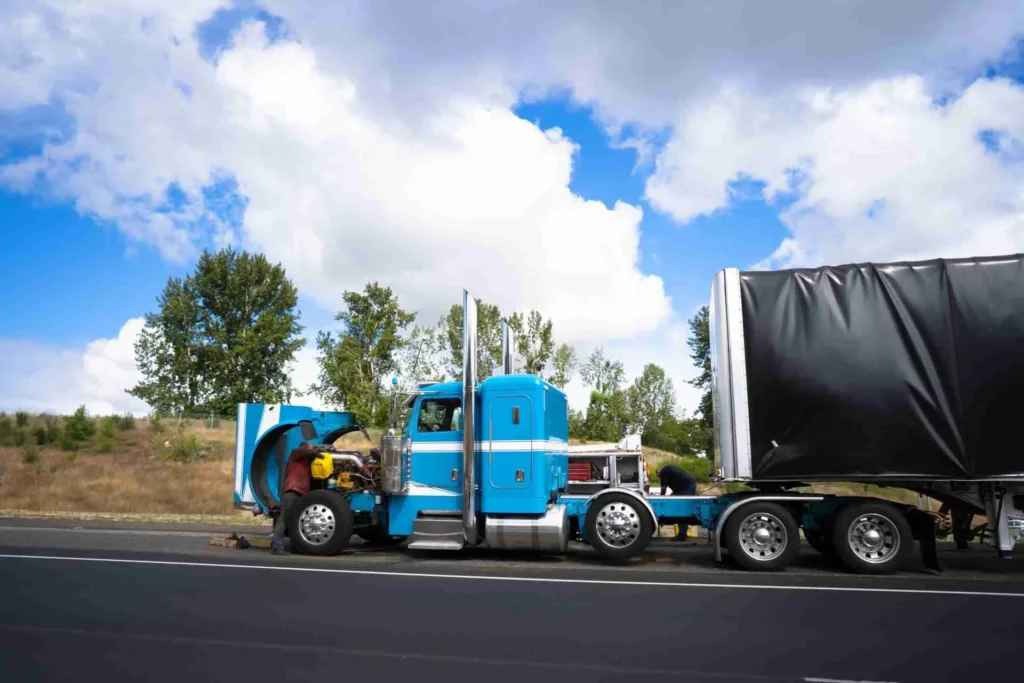
Fleet growth does not stall because of one catastrophic failure. It slows because of small, repeated maintenance gaps. Here is the direct answer. When fleet maintenance and repair are inconsistent, growth becomes fragile. Vehicles miss service intervals. Minor issues stack up. Downtime increases at the worst possible time. And most fleets do not notice until expansion plans start slipping. Fleet Maintenance and Repair Is a Growth Strategy, Not a Cost Growth requires stability. You cannot add routes, drivers, or contracts if your current trucks are already unreliable. Yet many companies treat fleet maintenance and repair as something to revisit after revenue improves. That thinking backfires. According to the American Transportation Research Institute, unplanned downtime costs fleets hundreds of dollars per vehicle per day once towing, lost productivity, and missed loads are included. When that becomes routine, growth capital quietly shifts toward repair bills. This is where structured fleet management solutions change the equation. Small Maintenance Gaps Create Expensive Truck Roadside Assistance Events A breakdown rarely happens suddenly. They often start off as deferred inspections, missed brake checks, or postponed oil changes. Gradually, these little gaps develop into distress calls for truck roadside assistance. Roadside incidents and accidents costly. Information from our industry indicates that repairing an emergency can incur costs between three and four times as much as one scheduled service, when applying labor premiums and towing. On top of everything, roadside incidents damage reliability. Customers notice late deliveries. Drivers feel the stress. Dispatch teams scramble. That is not scalable growth. Last Mile Fleet Maintenance Breakdowns Hit Hardest The final delivery window is the least forgiving. When a vehicle fails during Last Mile fleet Maintenance operations, the impact is immediate and visible. Missed deliveries mean missed revenue and damaged relationships. This is why disciplined fleet maintenance and repair programs matter most in high-density delivery routes. Preventative last-mile fleet maintenance service protects those final miles. Not reactive fixes. Fleet Maintenance and Repair Services Protect Your Expansion Plans Here is something most operators overlook. Every new contract increases pressure on your existing assets. Without consistent Fleet Maintenance and Repair Services, growth accelerates wear. More routes mean more engine hours. More braking cycles. More exposure to failure points. The solution is not slowing growth. It is aligning growth with preventative maintenance scheduling, inspection discipline, and proactive parts replacement. When on-site fleet management solutions integrate diagnostics, service tracking, and lifecycle planning, expansion becomes sustainable. Mobile Truck and Trailer Repair Reduces Growth Friction Growth often exposes logistical weaknesses. If every breakdown requires routing equipment to a fixed shop, delays compound quickly. That is where mobile truck and trailer repair becomes strategic. Instead of pulling assets off-route, technicians meet vehicles where they are. On-site. On schedule. This reduces transport downtime and keeps vehicles revenue-producing. Mobile support does not replace preventative service. It reinforces it by closing maintenance gaps before they spread. What Maintenance Gaps Actually Look Like They are rarely dramatic. They look like this: Preventative intervals extended “just this once.” Incomplete inspection documentation Rising dependence on truck roadside assistance Increasing variance in last-mile fleet maintenance performance Growing repair costs without clear root causes Individually, these signals seem manageable. Collectively, they slow growth. Fleet Maintenance and Repair Data Tells the Truth Want to know if maintenance gaps are forming? Look at your ratios. High-performing fleets track: Planned versus unplanned service events Mean time between failures Cost per mile trends Roadside call frequency When unplanned events rise above predictable baselines, it is a signal. And signals should not be ignored. The Human Cost of Inconsistent Fleet Maintenance and Repair Downtime is not just financial. Drivers lose hours. Dispatch teams juggle schedules. Managers field uncomfortable customer calls. Repeated breakdowns erode confidence. In fact, the American Transportation Research Institute consistently ranks operational delays and detention time among the top concerns for drivers, underscoring how disruptions directly affect productivity and job satisfaction. Strong fleet maintenance and repair programs protect people as much as they protect equipment. Growth feels different when vehicles perform reliably. The Vision: Fleet Management Solutions That Scale with You Instead of reacting to failures, what if your maintenance model expanded alongside your fleet? That is the shift. Modern fleet management solutions combine preventative scheduling, data visibility, mobile truck and trailer repair support, and structured fleet maintenance and repair services into one coordinated system. The result is predictable uptime. Predictable uptime supports predictable growth. The Bottom Line Maintenance gaps rarely announce themselves. They accumulate quietly. They distort performance data. They erode margins and strain teams. But they are preventable. If your fleet is growing, your maintenance strategy must grow with it. Structured fleet maintenance and repair, supported by mobile truck and trailer repair and data-driven fleet management solutions, turns uptime into an advantage instead of a gamble. Growth should feel stable. If you are ready to close maintenance gaps and build a fleet that scales without disruption, connect with Kooner Fleet Management Solutions and explore how disciplined fleet maintenance and repair services can protect your next phase of expansion.
Media Spotlight: How Mobile AutoCare Is Redefining Everyday Vehicle Maintenance
Recent coverage in The Sacramento Bee highlights more than a local business launch. It underscores how Kooner Fleet Management Solutions is extending its proven fleet management solutions into the consumer market through Kooner Mobile AutoCare. This is not just convenience. It is an infrastructure meeting opportunity. Fleet Management Solutions Move from Commercial Yards to Consumer Driveways Fleet management solutions have traditionally powered delivery, construction, and logistics fleets. Now those same fleet management solutions are arriving at residential driveways through structured onsite repairs and maintenance. The shift matters. Because it means everyday drivers receive the same operational discipline once reserved for commercial fleets. Instead of reactive shop visits, maintenance becomes scheduled, data-driven, and predictable. Fleet Maintenance and Repair Built on Onsite Repairs and Maintenance Fleet maintenance and repair work best when downtime is prevented, not chased. On-site repairs and maintenance bring that same preventative logic directly to consumers. The idea began with a frustration most drivers recognize: Rushed oil changes Unnecessary upsells Hours lost in waiting rooms Leadership, including Gary Kooner, Michael Quimby, and Ricky Bains, asked a direct question. If commercial fleets receive disciplined fleet maintenance and repair systems, why should personal vehicles receive less? Mobile AutoCare answers that with structured on-site repairs and maintenance delivered at home or work. Truck Fleet Management Discipline Powers Onsite Repairs and Maintenance Truck fleet management depends on process, not improvisation. On-site repairs and last mile maintenance for consumers now operate on that same backbone. Behind every appointment: Route optimization technology Pre-staged parts and supplies Standardized workflows Uniformed, trained technicians That is how truck fleet management scales nationally. It is also how consumer onsite repairs and maintenance can remain efficient while targeting approximately $100 to $200 for a preventative visit, as referenced in coverage. For investors, this signals leverage. For drivers, it signals reliability. Fleet Maintenance Services Shift Toward Preventative Onsite Repairs and Maintenance Fleet maintenance services succeed by stopping problems before they escalate. On-site repairs and maintenance bring that preventative model into everyday ownership. The initial service mix focuses on essentials: Oil changes Safety inspections Fluid checks and top-offs According to the National Highway Traffic Safety Administration, mechanical failures contribute to thousands of preventable incidents annually. Preventative care reduces risk and long-term cost. For you, that means: Fewer surprise breakdowns Lower cumulative repair bills Extended vehicle lifespan For the company, it creates recurring service relationships rather than one-time transactions. That alignment strengthens fleet maintenance services on both sides of the market. Fleet Repair and Maintenance Expansion Through a Controlled Pilot Fleet repair and maintenance models scale best when tested deliberately. On-site repairs and maintenance in Sacramento follow that playbook. The initial rollout covers a 60 to 90 minute radius from the Natomas headquarters with a focused technician team. Tight geography. Measured demand. Rapid iteration. Future possibilities include: Employer-sponsored maintenance benefits Workplace parking lot service days Subscription-based preventative plans If adoption accelerates, the underlying fleet management solutions infrastructure allows expansion without rebuilding systems from scratch. That reduces capital risk. And increases scalability. Commercial Fleet Maintenance Roots Strengthen Consumer Onsite Repairs and Maintenance Commercial fleet maintenance built the foundation. On-site repairs and maintenance are an extension. Since 2016, the company has grown from a single roadside assistance response truck into a nationwide operator supporting delivery, construction, food service, and logistics fleets. Now those same fleet management solutions principles apply to personal vehicles. Not as a trial. As a strategic evolution. Fleet Management Solutions Align with Modern Consumer Expectations Fleet management solutions are adapting to how consumers expect services to work. On-site repairs and maintenance align with an economy shaped by convenience platforms like Uber Eats. Drivers can: Request service online Receive a visit within 24 to 48 hours Access weekend availability Avoid waiting rooms and pressure-based upsells Maintenance shifts from disruption to predictability. That emotional relief drives conversion. The Bigger Shift: Fleet Maintenance Professionals Delivering Onsite Repairs and Maintenance Fleet maintenance professionals understand uptime deeply. In commercial operations, downtime costs revenue. For individual drivers, it costs time, trust, and unexpected expenses. On-site repairs and maintenance close that gap. Fleet management solutions bring structured reliability into personal mobility. That is why the media spotlight matters. It reflects a broader transformation in how vehicle care is delivered, experienced, and valued. Looking Ahead The Sacramento launch represents more than a local pilot. It signals how fleet management solutions can expand into fragmented consumer markets using existing infrastructure, a disciplined rollout strategy, and a preventative philosophy. For investors, it demonstrates a scalable entry built on proven systems. For drivers, it offers something immediate: Maintenance that respects your schedule and reduces uncertainty. What began as frustration with routine oil changes has evolved into a technology-enabled service model positioned for measured expansion. The spotlight may be local. The implications are much broader. If you are an investor exploring scalable mobility platforms, or a Sacramento driver ready for smarter onsite vehicle care, now is the time to connect with Kooner Fleet Management Solutions and experience how Kooner Mobile AutoCare is redefining everyday maintenance.
Trucking Repair Industry Faces New Regulations
Updated: Feb 25 The trucking repair industry is navigating through a wave of new regulations aimed at enhancing safety and environmental sustainability. These changes are not just bureaucratic hurdles; they represent a significant shift in how fleet management operates, with far-reaching implications for every aspect of the business. Understanding and adapting to these regulations is critical for any fleet manager striving to maintain a competitive edge while ensuring compliance and operational efficiency. In this article, we delve into the most important updates in emission standards, safety inspections, and repair documentation, and what they mean for your fleet. 1. Emission Standards: A New Era of Cleaner Technology The push for stricter emission standards is one of the most impactful changes facing the trucking repair industry today. The Environmental Protection Agency (EPA) has rolled out new regulations that will come into full effect between 2027 and 2032, aiming to drastically reduce greenhouse gas emissions from heavy-duty trucks. The EPA projects that these new rules will prevent up to 1 billion tons of greenhouse gases from being released into the atmosphere over the next 30 years, contributing to improved public health and a significant reduction in environmental impact. These standards require more frequent inspections and a move toward cleaner technologies, including electric and hydrogen-powered vehicles. For example, by 2032, 30% of “heavy-heavy-duty vocational trucks” and 40% of short-haul day cabs will need to be zero-emission vehicles. This shift is designed to benefit the approximately 72 million Americans living near freight routes, who currently bear the brunt of hazardous air pollution. However, the industry is grappling with the implications of these changes. The American Trucking Associations and the Owner-Operator Independent Drivers Association have raised concerns about potential supply chain disruptions, especially for smaller businesses that might struggle to upgrade their fleets. These organizations predict that some operators may continue using older, more polluting diesel trucks to avoid the high costs of compliance, which could counteract the intended benefits of the new regulations. 2. Safety Inspections: Raising the Bar for Fleet Compliance In addition to tighter emission standards, new safety inspection protocols are being introduced, raising the bar for fleet vehicle compliance. The Federal Motor Carrier Safety Administration (FMCSA) has updated its Readiness Standards for 2024, which include more stringent pollution controls that will have a significant impact on commercial vehicles, especially buses, heavy-duty trucks, and tractor-trailers. This is the first major update to vehicle emission rules since 2001, when the EPA mandated a 95% reduction in nitrogen oxide (NOx) emissions from commercial trucks over a decade. The current rules are part of the EPA’s broader Clean Vehicles Plan, which aims to eventually achieve zero emissions across the heavy-duty vehicle sector. To comply, fleet managers must be vigilant in maintaining their vehicles and ensuring they meet these heightened standards. The FMCSA’s new regulations also include accessibility requirements for buses and vans, adjusted penalties to keep pace with inflation, and updated insurance guidelines for brokers and freight forwarders. Moreover, the FMCSA plans to streamline fleet record keeping by revising its retention standards and modernizing the Unified Registration System (URS). These changes underscore the need for fleet managers to stay informed and proactive in meeting compliance obligations. 3. Repair Documentation: Ensuring Transparency and Accountability Accurate and comprehensive documentation of all repairs and maintenance is becoming more critical than ever. Under the new rules, fleet managers must maintain detailed records of every inspection, repair, and service performed on each vehicle. These records must be retained for specific durations, depending on the type of documentation, to ensure full transparency and accountability. For example, the FMCSA mandates that an informational record for each vehicle—containing details such as fleet number, VIN, tire dimensions, and ownership information—must be kept throughout the vehicle’s service life and for six months after it is retired. Similarly, records of all inspections, maintenance, lubrication, and repairs must be stored for one year while the vehicle is in operation and for six months after it is taken out of service. Daily Vehicle Inspection Reports (DVIRs), which require signatures from the driver and carrier, must be retained for three months, while copies of annual or periodic inspections need to be kept for 14 months. These documentation requirements are not just a matter of regulatory compliance; they are essential for operational efficiency, strategic planning, and maintaining vehicle health. Digitizing these records can help fleet managers streamline the process and reduce the risk of errors or omissions. Navigating the New Regulatory Landscape Adapting to these evolving regulations is no small task, but it is essential for maintaining a reliable, safe, and compliant fleet. At Kooner Fleet Management Solutions, we are committed to staying ahead of these changes, ensuring that our repair processes not only meet but exceed the latest standards. By understanding and implementing these updates, fleet managers can not only avoid costly penalties but also contribute to a safer, more sustainable future for the industry. Source: www.lytx.com, eld.kellerencompass.com, apnews.com