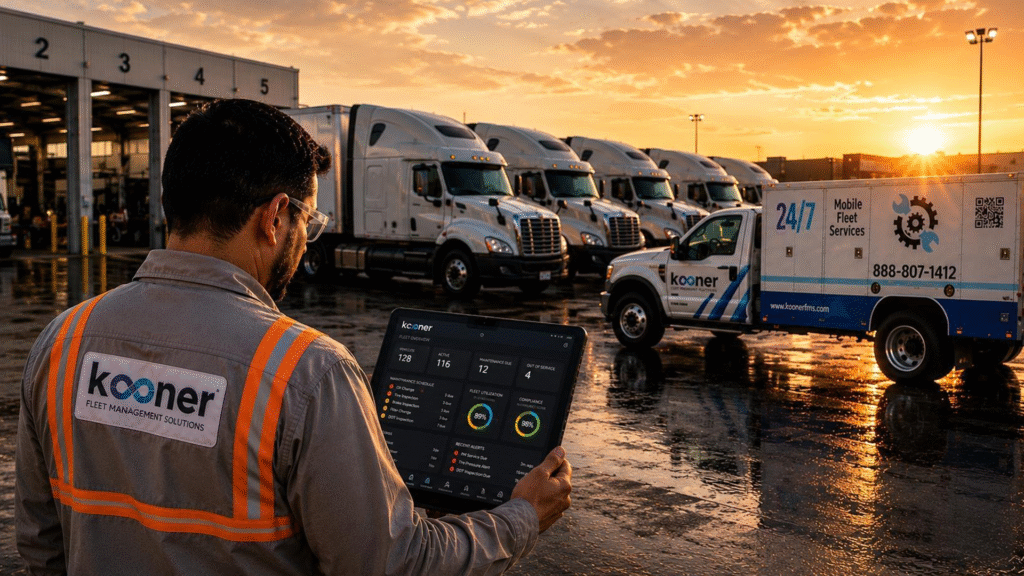

Ticking inspection boxes manually might seem like you’re getting the job done, until mistakes begin to surface.
Here’s a number that puts it in perspective: roughly 3 out of 10 manual checks end up recorded inaccurately due to human error.
When an inspection record is wrong, the vehicle pays for it eventually, through a missed brake issue, an ignored tire wear pattern, or a breakdown that could’ve been fixed earlier.
Digital vehicle inspections were built to close that gap. Instead of paper records scattered across offices, everything lives in one centralized system, and that single change has reshaped fleet reliability.
Where Paper Checklists Prove to Be Ineffective
Manual checklists depend on jotting information down by hand. That works fine until something slips through.
Handwriting gets misread or rushed, and details go missing
A flagged note can sit in a drawer for days before anyone reads it
There’s no backup; once the document is misplaced, it can’t be recovered
Recurring issues don’t get noticed when every form is filed away on its own
None of this is really anyone’s fault. It’s just what happens when a process depends on memory, timing, and legible handwriting.
What Changes Once You Go Digital
Switch to a digital inspection app or software, and the workflow tightens up almost immediately.

Drivers follow a checklist built for their specific vehicle type, attach photos the moment they spot an issue, and submit everything straight to a central dashboard.
Submissions reach the manager in real time
Every entry carries a timestamp, creating a genuine audit trail
Photos and short notes back up each flagged issue
Records are searchable, so patterns across vehicles actually surface
Fleet analytics and reporting remove most of the guesswork that used to slow the whole process down.
The Real Link Between Inspection and Compliance
Fleet compliance doesn’t come from arranging inspection reports. It is built through daily habits that help in reporting defects, maintaining accurate records, and monitoring vehicle health.
Its impact:
Recurring issues become visible once inspection history is searchable
Maintenance teams can schedule a repair before a part fails outright
Vehicles spend less time sitting idle waiting on a diagnosis
Drivers get clear direction on what to check and how to report it
Adopting digital vehicle inspection to your operations will have a direct impact on fleet compliance.
Compliance Without the Scramble
Digital records make the process of preparing for an audit a lot less stressful.
Historical reports are stored automatically and never misplaced
Auditors can pull years of data in minutes instead of hours
Reminders for upcoming inspections cut down on missed deadlines
Every report follows the same format, so nothing depends on one person’s habits
With reliable compliance management, fleet operators no longer need to dig through filing cabinets when regulators ask for proof. The record already exists, dated and ready to share.
Less Paper, Less Busywork
There’s also a benefit that doesn’t get talked about enough: how much administrative time this saves. Less paperwork means less time spent chasing approvals, organizing records, and monitoring performance.
Reports generate and store themselves automatically in the cloud
No physical filing space or manual sorting required
Staff spend less time on data entry and more on maintenance decisions
Historical records stay accessible from any device, anytime
That
A Practical Fix, Not a Trend
This shift towards digitization results in long-term fleet reliability. It’s a direct response to a process that was never built to keep pace with how fleets operate today.
Accurate data means managers act before problems escalate, not after
Fewer disputes with regulators over missing or unclear records
Vehicles stay in service longer because issues get caught early
Drivers spend less time on paperwork and more time on the road
At Kooner Fleet Management Solutions, our team uses a digital approach to fleet compliance and safety, including routine DOT/BIT inspections, electronic logging, emissions standards, and regular safety checks.
We believe technology is most effective when paired with human expertise. By combining these, we ensure your fleet remains reliable, consistent in quality, and operationally efficient.