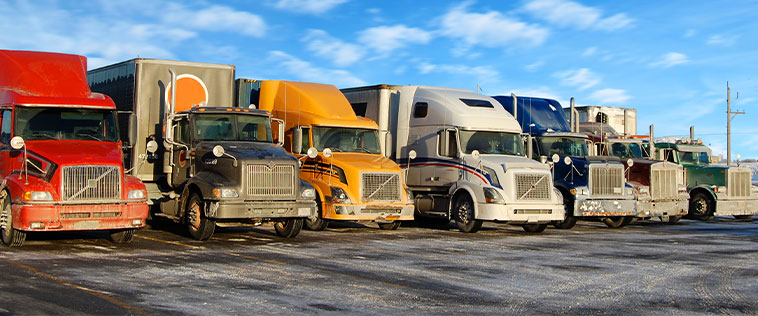

After a roadside incident, the vehicle damage is just one part of the loss a fleet faces.
The invoice doesn’t record the hours a fleet spends off the road, the hire charges for a replacement, staff hours spent coordinating accident support, and the costs associated with missed deliveries.
But fleet accident management does. It covers the support required after a road incident, from the initial driver response to vehicle recovery, repair coordination, and return to service.
Why Fleet Accident Management Needs a Plan
Accident support is different than routine servicing. Drivers need roadside assistance, damaged vehicles need assessment and recovery, and repair work needs to be arranged.
Here is what happens when you don’t have accident management support in place:
Delayed roadside assistance: Drivers wait for support while the vehicle remains at the accident site.
Uncoordinated vehicle recovery: Delays in arranging towing disrupt the recovery process.
Repair scheduling delays: Vehicles remain off the road while repair arrangements are pending.
Replacement vehicle costs: Fleets incur hire charges while damaged vehicles undergo repairs.
Administrative workload: Fleet managers spend time coordinating drivers, recovery services, and repair providers.
Delivery disruption: Vehicle downtime affects delivery schedules and customer commitments.
A planned accident management support process assigns responsibility at each stage.
The driver reports the incident, the support provider arranges roadside assistance and recovery, and the repair team coordinates the required work.
Where the Hidden Costs Come From
Many fleets record the repair invoice but overlook the additional expenses linked to an accident.
These costs add to the financial impact:
Lost working days while the vehicle awaits recovery, parts, or a repair slot.
Replacement vehicle charges for the period the vehicle remains unavailable.
Administrative hours spent coordinating with drivers, recovery services and repair providers.
Unrecovered costs associated with an accident caused by another party.
Customer service disruption caused by missed delivery slots and delayed orders.
These are not expenses businesses plan for, but they must account for them to keep operations running.
What an Accident Management Plan Includes
An accident management plan covers the process from the initial roadside response to the vehicle’s return to service. It includes six key steps.
Safety first
The driver moves to a safe location, checks for injuries, and contacts emergency services when required.
Incident reporting
The driver informs the fleet manager and shares the relevant details, including the location, vehicle condition, and nature of the incident.
Vehicle recovery
Commercial roadside assistance is arranged, and towing is coordinated when the vehicle is not safe to drive.
Repair coordination
The damaged vehicle is assessed, repair work is arranged, and progress is monitored until completion.
Incident review.
Accident records are reviewed to identify patterns linked to specific routes, times of day, or driving behaviours.
Each stage supports the next. Accurate incident details guide the recovery process, while repair records and accident reports help fleet managers review costs and identify recurring issues.
Why Choose Kooner Fleet Management Solutions for Emergency Support
Managing accident-related tasks internally adds to the workload of fleet managers responsible for daily operations.
Kooner Fleet Management Solutions provides roadside and repair support through the following services.
24/7 assistance: Our team responds to driver calls at any time of day or night.
Extended coverage: Support reaches vehicles across the routes and areas where your fleet operates.
Initial assessment: A technician assesses the vehicle and confirms whether it is safe to move or requires repair.
Towing coordination: We arrange vehicle recovery when it cannot be driven safely.
Follow-up repair arrangements: We coordinate repair bookings and track progress through to completion.
Insurance claims assistance: We help gather incident details and supporting evidence for the claims process.
From the driver’s first call to the vehicle’s return to service, Kooner coordinates roadside assistance, vehicle recovery and repair support through a single point of contact.
The Bottom Line
Accident management is an essential part of running a commercial fleet.
From the initial roadside response to vehicle recovery and repair coordination, each stage affects how long a vehicle remains out of service and adds to the existing maintenance expenses.
As a comprehensive fleet maintenance partner, Kooner Fleet Management Solutions provides roadside assistance, vehicle assessments, towing coordination, and repair support to help businesses manage incidents from the initial call through to the vehicle’s return to service.