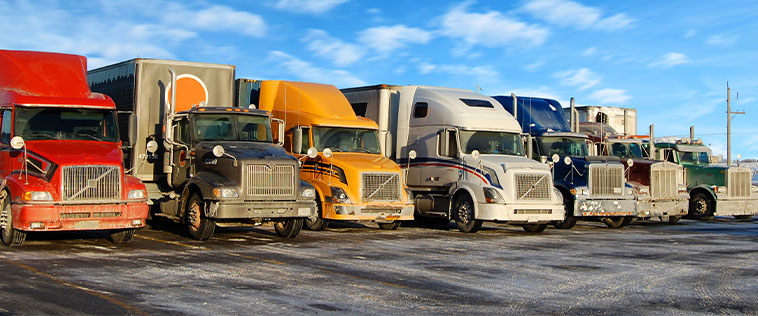

Peak delivery season puts fleet uptime under a different level of pressure.
Delivery volumes rise, schedules tighten, and customers expect their orders to arrive as promised.
A vehicle taken off the road at the wrong time affects a route, a delivery window, and the customer experience tied to it. That makes vehicle readiness a business priority, with brand reputation at stake.
Proactively Evaluating Vehicle Readiness
Before demand rises, assess whether the current fleet is prepared to handle the additional workload.
Capacity planning should account for vehicle availability, maintenance requirements, driver coverage, and seasonal demand.
A practical review should cover:
Fleet size against projected delivery volume
Vehicles due for scheduled maintenance
Assets with recurring repair requirements
Available spare or replacement vehicles
Driver availability and seasonal staffing needs
Trailer and equipment requirements
Historical delivery data also provides a reliable basis for estimating route volumes and resource requirements.
Keep Maintenance Requirements Up to Date
Peak workloads put additional demands on vehicles. Starting the season with overdue service, worn components, or unresolved faults increases the risk of vehicle downtime when fleet availability is critical.
Use the weeks before peak season to close outstanding maintenance work.
Maintenance Check | Proactive Actions |
Scheduled service | Complete due maintenance |
Tires and brakes | Inspect wear and replace components where required |
Fluids and filters | Check condition and service requirements |
Diagnostic faults | Investigate active and recurring faults |
Inspection defects | Complete required repairs |
Repair history | Identify vehicles with recurring issues |
Maintain preventive maintenance schedules and use diagnostic information to identify issues before they develop into major vehicle failures.
Plan Routes Around Seasonal Traffic
A route that works during standard delivery volumes may not hold up when traffic, delivery density, and stop times increase.
Route planning needs to reflect the conditions drivers will face during the peak period.
Review previous delivery data and identify:
High-volume delivery areas
Traffic-heavy corridors
Routes with extended stop times
Areas affected by seasonal congestion
Locations that require additional delivery capacity
Route plans should also leave room for real-world conditions.
Road closures, severe weather, traffic incidents, and vehicle faults can change the day’s plan after vehicles leave the depot.
Real-time visibility gives teams the right information to respond when the planned route no longer matches road conditions.
Prepare for the Vehicle That Does Not Make It
Planning for high-demand season should account for vehicle failures. A roadside repair can remove a vehicle from a route and place pressure on the remaining fleet.
A contingency plan should define:
1. Replacement capacity
Identify spare vehicles, rental options, or external capacity before demand peaks.
2. Repair priorities
Define which vehicle issues require immediate attention and which can wait for scheduled service.
3. Route reassignment
Establish how deliveries are transferred when a vehicle becomes unavailable.
4. Roadside support
Partner with a mobile repair service provider who can handle faults on-site.
Planning for vehicle downtime and arranging replacement vehicles before peak season helps keep deliveries moving, even when workload rises.
Give Drivers the Preparation They Need
Peak delivery periods place additional strain on drivers. Route density, delivery volumes, traffic, and tight schedules all affect their productivity.
In this situation, drivers must be well aware of the routes, vehicle requirements, safety procedures, and escalation process.
Training preparation includes:
Vehicle inspection procedures
Route and delivery instructions
Seasonal traffic considerations
Breakdown reporting procedures
Hours-of-service requirements
Communication procedures for route changes
Driver readiness is part of fleet readiness. Driver safety, seasonal onboarding, route planning, and vehicle preparation are key areas for peak-season planning.
Keep Capacity Flexible as Demand Changes
Forecasts provide a starting point, but actual delivery volumes can differ from projections. Fleets need a capacity plan that allows resources to be added when demand exceeds available vehicles or drivers.
Consider securing:
Additional vehicles
Rental agreements
Seasonal drivers
Contract carriers
Additional trailers
Temporary delivery capacity
Rental agreements and other external capacity options provide additional vehicle capacity when seasonal demand rises.
Monitor Performance Once Peak Season Starts
Preparation does not end when the first peak-season route leaves the depot.
Fleet managers must monitor vehicle location, condition, route progress, maintenance requirements, and delivery performance throughout the season.
Focus on indicators such as:
Vehicle availability
Roadside repair events
Maintenance backlog
Route delays
Missed delivery windows
Driver hours
Fuel consumption
Vehicle utilisation
Real-time fleet information helps teams identify where plans are falling short and take action before one issue affects multiple deliveries.
Wrapping Up
Peak delivery season tests how well a fleet prepares for increased demand.
Vehicle condition, maintenance planning, route capacity, driver readiness, contingency support, and real-time monitoring all contribute to keeping vehicles available when delivery volumes are high.
Kooner Fleet Management Solutions supports this preparation through preventive fleet maintenance, mobile fleet maintenance, on-site truck repair, roadside assistance, and compliance management services.
Protect your delivery experience when demand reaches its peak with Kooner FMS.