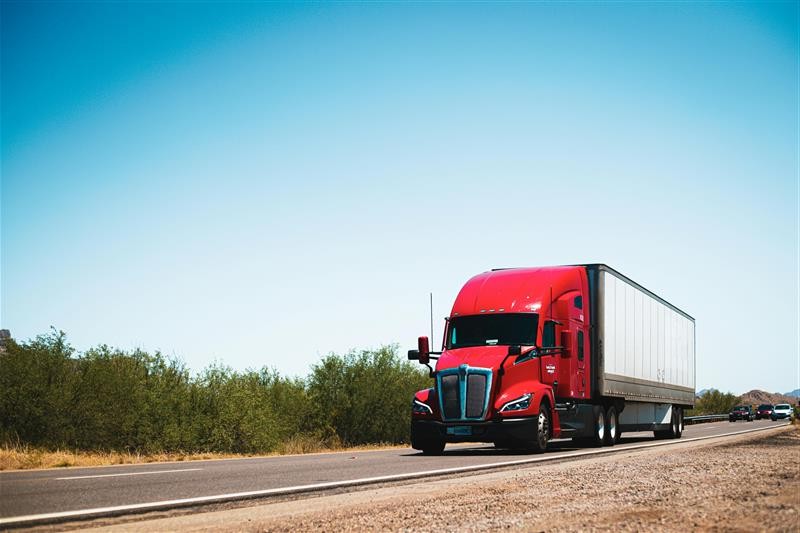

Vehicles are the working assets behind logistics, construction, utilities, field services, transportation, and distribution.
Operating them to their full potential at each stage of the lifecycle is a strategic way to control total cost of ownership.
This is where fleet lifecycle management comes into play. Instead of treating each stage as a separate decision, fleet managers assess how one stage affects the next.
Factors That Influence Commercial Vehicle Performance
A commercial vehicle’s condition changes with its workload, surroundings, driving pattern, and service history.
Here are the key factors that influence its performance:
Vehicle Specification
Payload, route conditions, mileage, engine hours, and duty cycle need consideration before onboarding an asset.
Payload and capacity: Matching the vehicle to its intended workload.
Route profile: Highway, urban, steep, and stop-and-go routes.
Duty cycle: Mileage, engine hours, idle time, and daily workload.
Vehicle Utilisation
The way a vehicle is used directly influences its service needs and component wear.
Mileage: Road mileage affects service intervals and components such as tires, brakes, and suspension.
Engine hours: Engine hours add up for vehicles with significant idle or low-speed operation.
Load patterns: Heavy and inconsistent loads place additional stress.
Maintenance Practices
Delayed service, unresolved faults, and incomplete records affect vehicle condition and repair costs.
Scheduled service: Preventive maintenance keeps inspections and servicing aligned with vehicle requirements.
Inspections: Checks of brakes, fluids, suspension, and other critical components identify developing issues.
Repair history: Service records reveal recurring faults and repair patterns.
Driving Behaviour
Driving habits include constant braking, acceleration, idling, and harsh vehicle handling.
Aggressive acceleration: Places additional demand on the engine and drivetrain.
Excessive idling: Adds engine hours and fuel use without increasing road mileage.
Operating Environment
Road conditions, weather, terrain, and traffic influence how a vehicle performs and how frequently it needs service.
Road conditions: Poor surfaces place additional demand on suspension, steering, and wheels.
Weather: Extreme temperatures and severe weather affect batteries, fluids, and vehicle systems.
Terrain and traffic: Hills, congestion, and frequent stops influence braking, fuel use, and engine workload.
Vehicle Age and Condition
Vehicle age needs to be considered alongside condition, repair history, and remaining service life.
Component condition: Mileage and engine hours influence the condition of major systems.
Repair spending: Rising repair costs can affect the case for continued ownership.
Asset value: Resale value and remaining service life contribute to replacement decisions.
Together, these factors influence decisions throughout the fleet lifecycle, from acquisition and operation to maintenance and replacement.
Must Read: Checklist to Reduce Vehicle Lifecycle Costs
Practices That Support Vehicle Potential at Each Lifecycle Stage(Without Adding To Your Budget)
Fleet lifecycle management brings each stage of ownership into one process.
Lifecycle stage | Primary focus | Key considerations |
Acquisition | Vehicle selection | Workload, payload, route, fuel use, service life |
Operation | Vehicle utilisation | Mileage, engine hours, idle time, load, driver behaviour |
Maintenance | Vehicle condition | Service intervals, inspections, repairs, component health |
Replacement | Asset value | Repair costs, utilisation, age, resale value, remaining service life |
Stage 1. Acquisition
Vehicle selection sets the foundation for its service life and ownership cost. The right specification needs to reflect the work the asset will perform.
Workload: Match payload, route type, mileage, engine hours, and duty cycle with vehicle capacity.
Total cost of ownership: Factor in fuel, servicing, repairs, depreciation, and resale value alongside the purchase price.
Service support: Check parts availability, warranty coverage, maintenance access, and service network support.
A purchase based on the full ownership cost gives the fleet a starting point for managing vehicle life.
Stage 2. Operation
Once a vehicle enters service, its daily usage provides insights for lifecycle planning. Mileage alone does not show the full workload placed on a commercial vehicle.
Track:
Mileage and engine hours: Assess road use and engine workload together.
Fuel use and idle time: Identify changes in consumption and operating patterns.
Driver behaviour: Monitor braking, acceleration, and idling that contribute to wear.
Routes and loads: Relate vehicle usage to terrain, traffic, distance, and payload.
These records prove to be significant during maintenance planning and vehicle condition assessments.
Stage 3. Maintenance
Planned maintenance supports vehicle life by addressing service requirements before they develop into costly repair work.
Focus on:
Preventive maintenance: Follow service intervals for fluids, filters, brakes, tires, and other components.
Inspections and diagnostics: Assess vehicle condition and identify component faults with on-site diagnostics support.
Service records: Record inspections, repairs, parts, and recurring faults.
Repair analysis: Review repeat repairs and their cost when deciding whether to continue investing in an asset.
A well-documented maintenance history acts as evidence when replacement decisions arise.
Stage 4. Replacement
Replacement decisions need to reflect the cost of keeping a vehicle in service, not simply the number of years or miles it has accumulated.
Review:
Repair expenditure: Compare repair frequency and cost with the vehicle’s contribution to the fleet.
Utilisation: Assess whether the asset continues to meet its workload requirements.
Downtime: Factor repair periods into vehicle availability and fleet capacity.
Resale value: Consider the asset’s market value when planning disposal.
Remaining service life: Compare future ownership costs with the value the vehicle is expected to deliver.
By analyzing the above factors, determine whether to maintain, replace, or retire an asset.
The Bottom Line
Vehicle life is shaped by decisions made long before a repair is required. The right vehicle specification, informed usage tracking, planned maintenance, and timely replacement all contribute to the value an asset delivers.
Fleet lifecycle management connects these decisions.
At Kooner Fleet Management Solutions, we manage your fleet’s journey from start to end. Our fleet maintenance, mobile repair, diagnostics, inspections, telematics, preventive maintenance, and comprehensive fleet management services support vehicles throughout their lifecycle, from their time on the road to the point of replacement.