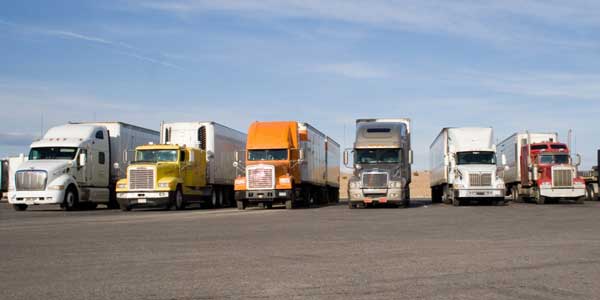

When multiple vehicles move across regions and states, they become challenging to track.
Routes get missed, fuel is consumed more than planned, and most of the time drivers behave recklessly on the road. Without a system that keeps track of each vehicle, managers learn about problems after they occur: a late delivery, a roadside breakdown, or a high fuel bill.
Telematics and GPS tracking capture the details that hinder the safety and operational efficiency of your fleet and turn them into insights for proactive planning.
What Is Recorded With Telematics and GPS Tracking
Telematics combines data from a vehicle’s systems such as dash cameras, electronic logging devices, GPS devices, and more. A small device in each vehicle records daily activity as it happens and sends it to a central dashboard.
It captures:
Location and routes: Where each vehicle is, where it has been, and when it arrived at each stop.
Speed and driving behavior: Speeding, harsh braking, sudden acceleration, and sharp turns.
Fuel use and idling: Fuel consumed and the time an engine runs while the vehicle is parked.
Vehicle health: Warning lights, fault alerts, and battery condition.
Usage data: Mileage, engine hours, stops, and trip length.
Together, these records show how each vehicle is used and what condition it is in.
How It Is Used in Fleet Maintenance Planning
The collected data is then used to plan scheduled maintenance.
Using data for planning ensures that vehicles are serviced when they need repairs, rather than on a specific calendar date.
Driver Training
Speeding and harsh braking mean drivers need coaching. Proper training and monitoring reduce wear on brakes and tires, so breakdowns stay predictable and drivers stay safe.
Route planning
Location history shows which routes cause delays and add extra miles. Planned routes shorten trips, protect delivery windows, and reduce unnecessary wear on vehicles.
Fuel monitoring
Fuel and idling reports show where fuel is wasted, such as long idling periods or roundabout routes, and which vehicles or drivers are causing excessive fuel consumption.
Maintenance scheduling
Mileage, engine hours, and fault alerts are used to decide service intervals, so vehicles are maintained and repaired as per usage and condition instead of guesswork.
Benefits of Telematics Systems for Fleet Optimization
When data can be tracked, analyzed, and acted on, operations run smoothly. This is the reason 80% of U.S. fleet professionals now use GPS fleet tracking.
Benefits include:
Safety: Harsh driving is identified and corrected before it turns into an accident.
Controlled costs: Fuel waste, extra miles, and avoidable repairs are reduced, which keeps operating budgets under control.
Reduced downtime: Early alerts stop minor repairs before they become a fault that stops the vehicle.
Accurate records: Every record is precise when it is maintained properly.
Informed decisions: Managers plan from actual figures instead of estimates.
Quick Read: How to Use Telematics Data to Predict Downtime
How to Put Telematics Data to Work
Data delivers results when someone acts on it. Here’s how you can put it to work:
Step 1: Set alerts
Define limits for speeding, idling, and fault warnings so the system automatically flags problems.
Step 2: Review on schedule
Check fleet reports weekly and sort flagged items by safety risk and urgency.
Step 3: Assign each flag
Assign an owner and a due date, whether it’s driver training, service, or repair.
Step 4: Close the loop
Record the outcome and compare the next report with the last one to confirm the issue is resolved.
A routine like this keeps maintenance planned and overall vehicle performance consistent.
How Kooner Helps You Manage Fleet Maintenance
Telematics data shows what needs attention. But the right maintenance partner acts on it. At Kooner Fleet Management Solutions, we specialize in:
Preventive maintenance: Services are scheduled based on mileage, engine hours, and vehicle condition data, including oil changes, brake checks, and tire care done on time.
On-site repairs: Technicians fix faults at your depot or yard, so flagged vehicles return to work without a workshop trip.
24/7 mobile roadside assistance: When faults become a breakdown, a technician is dispatched to wherever the vehicle is stranded.
Last-mile maintenance: Service schedules built for delivery vans that make many stops each day.
Inspections and compliance: DOT inspections and service records stay organized and ready for audits.
Kooner connects what your tracking system reports with the work your vehicles need. We provide professional fleet maintenance solutions to keep your operations moving. Get Started Today.