
The difference between a high-performing fleet and an average one is a lot easier to spot than you might imagine.
No, it isn’t a big budget or fancy fleet care.
It’s something as simple as systematic preventive maintenance, proper driver coaching, consistent performance monitoring, and emergency response plans.
Here are some everyday operational habits that separate efficient fleets from the rest.

They Make Proactive Care Their Utmost Priority
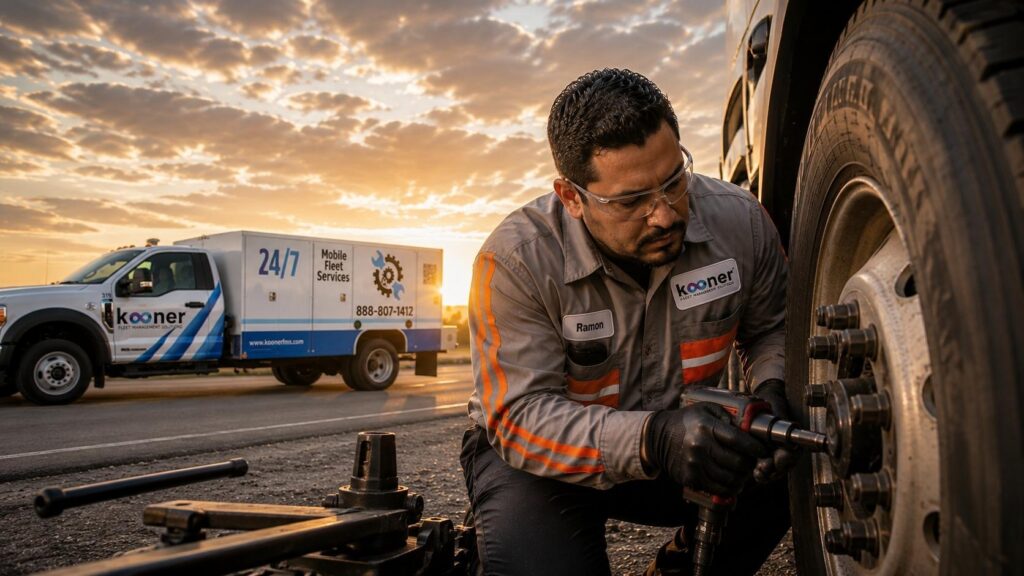
High-performing fleets run on scheduled maintenance cycles.
They don’t wait for warning signs to appear. Oil changes, brake inspections, and tire rotations are handled before they become emergencies.
This includes:
Scheduled preventive maintenance based on mileage
Regular inspections of critical components
Timely replacement of worn-out parts
Maintaining service records for every vehicle
These small operational decisions make a significant difference when you look at the bigger picture.
They Prefer Centralized Platforms for Visibility
A handful of vehicles are easy to manage and don’t require complicated software. But scale changes everything.
The moment operations expand, minor visibility gaps compound. That’s why high-performing fleets prioritize centralized control from day one.
Centralized platforms deliver:
A single dashboard for fuel usage, location tracking, maintenance logs, and driver behavior
Real-time GPS and telematics that let dispatchers reroute vehicles mid-route
Audit-ready records and compliance documentation that take minutes to produce
With all the required data in one place, teams spend less time searching for information and more time acting on it.
They Invest in Driver Training and Mentoring
Rash driving, excessive idling, and delayed issue reporting are all preventable gaps in driver behavior.
Regular training and mentoring help drivers build better habits while protecting your vehicles from unnecessary wear and tear.
What does this do for your business?
Improves fuel efficiency
Extends vehicle lifespan
Builds an accountable workforce
Well-trained drivers operate vehicles better and have opportunities to grow professionally.
Consider integrating a fleet maintenance program that includes driver training and safety management.
They Sweat the Right Assets at the Right Time
Understand that efficiency isn’t about adding more vehicles.
It’s deploying the right vehicle for the right job and ensuring every asset is used to its full potential.
That means:
Matching vehicle type to route, load, and delivery requirements
Tracking utilization rates to avoid underused assets
Balancing workloads across the fleet instead of overusing a few vehicles
Reviewing demand patterns before adding new capacity
Many businesses invest in more vehicles before maximizing the ones they already own. Smart asset utilization helps control costs, improve productivity, and delay unnecessary capital spending.
They Calculate Metrics Periodically
They measure what matters and review those numbers consistently rather than relying on annual audits.
Regular tracking helps spot inefficiencies early and supports smarter operational decisions.
Metrics they monitor include:
Cost per mile
Preventive maintenance compliance rate
These metrics aren’t meant to sit on a dashboard. Fleet maintenance professionals use them to resolve recurring issues and reevaluate their strategies.
Why Some Fleets Struggle to Deliver Expected Performance?
If you look closely, you’ll notice that the biggest performance gaps often come from everyday operational habits like:
Reactive processes that lead to extended downtime
Waiting for breakdowns instead of proactive planning keeps vehicles off the road longer than necessary.
Neglecting driver behavior and accountability
Poor driving habits and delayed issue reporting increase costs and operational risk.
Imbalanced workload across vehicles
Uneven asset utilization causes some vehicles to wear out faster while others remain underused.
Inability to stay audit-ready when necessary
Incomplete records and inconsistent documentation make compliance and inspections difficult.
Working with fragmented data until something breaks
Disconnected systems create blind spots, slow decision-making, and make it difficult to identify problems early.
To overcome these challenges, consider changing your fleet maintenance approach.
Final Thoughts
High-performing fleets aren’t usually operating on massive budgets. They follow fundamental operational practices, including centralized data management, asset utilization, proactive maintenance, and regular performance tracking.
At Kooner Fleet Management Solutions, we help fleet operators put these practices into action with our preventive maintenance programs, data analysis and reporting, and driver safety training. Get in touch.