
The final stretch of a delivery is always nerve-racking. It is where customer commitments are tested, and business reputation is on the line.
Urban congestion, shrinking delivery windows, and changing weather conditions add pressure to an already demanding stage of the journey. When a vehicle goes down at this point, it puts delivery schedules, maintenance budgets, and customer commitments at risk.
Shifting from reactive to proactive last-mile maintenance helps businesses stay ahead of these risks and vehicle downtime while protecting the delivery performance and margins that matter most.
Why The Last Mile Gets Stressful for Fleet Managers
The last mile creates stress at multiple points. Fleet managers juggle route rescheduling, emergency response planning, and customer expectations.
On top of it, there are:
Stop-and-Go Traffic
Repeated acceleration, braking, turning, and idling. This pattern creates strain on brakes, tires, suspension components, and engines.
Traffic increases fuel consumption and extends route times. A vehicle that spends hours moving through congested streets has less route capacity for the day.
Missed Delivery Windows
An unexpected breakdown midway means the driver loses route time; emergency issues need to be addressed, and customers face delays.
Pro tip: Plan for light-duty vehicle roadside assistance that responds when a vehicle develops a problem away from the depot.
Addressing the issue at the breakdown site limits prolonged disruption.
Idling and Fuel Costs
Idling is a part of the journey, waiting at traffic lights, loading areas, customer locations, and congested roads. Excessive idling causes fuel expenses to rise.
Maintenance also plays a role. Poor tire pressure, worn-out components, engine issues, and neglected service needs all add to fuel consumption.
Customer Expectations
A vehicle breakdown causes multiple stops, creates rescheduling work, and affects customer satisfaction.
Proactive planning and maintenance protect the customer experience and prevent small roadside issues from becoming reputational damage.
How Proactive Last-Mile Fleet Maintenance Prevents Breakdowns and Protects Revenue
A study states that 43% of fleet managers prioritize identifying repair needs before breakdowns or accidents, up from 36% in 2025. This reinforces the value of proactive planning.
What it includes:
Regular inspections and repairs
Routine checks identify tire wear, brake issues, fluid problems, battery concerns, and other faults.
Tracking and monitoring
Maintenance records, telematics, fault alerts, mileage, and vehicle usage for identifying vehicle health and upcoming service needs.
Driver training
Investment in driver training so that they report dashboard alerts, unusual sounds, tire issues, and changes in vehicle performance.
Preventive vehicle care
Preventive maintenance includes frequent oil changes, brake service, tire, fluid checks, inspections, and scheduled component replacement to eliminate roadside failures.
Onsite repairs and maintenance
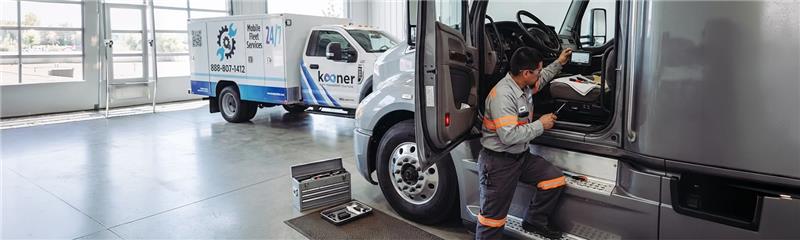
Repairing vehicles at the depot or operating site to skip long shop waiting times.
Proactive last-mile maintenance takes vehicle care from an emergency response to a planned schedule. The goal is to identify maintenance needs before they interrupt your deliveries.
The ROI Of Transitioning From a Reactive to Proactive Approach
The financial value of proactive maintenance comes from controlling avoidable costs before they interfere with your daily planned schedules.
Proactive Maintenance Investment | ROI for Last-Mile Fleets |
Scheduled inspections and servicing | Low reliance on emergency repairs |
Preventive component replacement | Less roadside and towing costs |
Vehicle health monitoring | Minimal unexpected breakdowns |
On-site repairs and maintenance | Controlled downtime and service disruption |
Driver maintenance reporting | Early fault detection |
Regular tire and brake care | Better fuel and vehicle performance |
Maintenance history and lifecycle tracking | Accurate vehicle replacement decisions |
Proactive maintenance controls repair costs and limits downtime, ultimately protecting your bottom line.
To Sum It Up
For last-mile fleets, an unplanned repair incurs costs that extend into towing, labour, driver time, and delivery recovery. Proactive maintenance brings these variables into the maintenance plan before they reach the road.
The shift from reactive repairs to planned maintenance gives fleet managers the control they need to keep vehicles moving while protecting the revenue on line.
At Kooner Fleet Management Solutions, we bring last-mile maintenance services, preventive maintenance, on-site diagnostics, mobile repairs, compliance management, and 24/7 roadside assistance right where last-mile fleets need them.