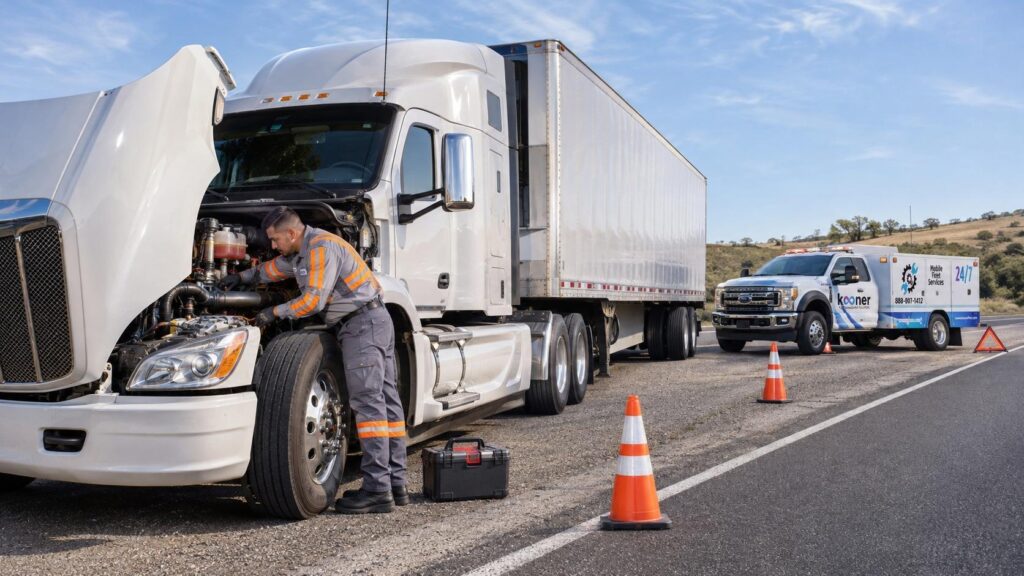

Light-duty vehicles also require maintenance and on-site care.
Delivery vans and pickup trucks suffer from the same tire failures, dead batteries, and engine trouble as heavy-duty trucks.
If these vehicles break down while traveling, roadside assistance arranges necessary repairs and limits disruptions to daily work.
What are Light-Duty Vehicles?
Light-duty vehicles have a gross vehicle weight rating of up to 10,000 pounds. Businesses assign them for routine deliveries and daily operational needs.
Vehicles that are part of it:
Cars: Company cars and pool vehicles used for client visits and travel between sites.
SUVs and crossovers: Vehicles that carry staff and support field work.
Pickup trucks: Work vehicles that haul tools, equipment, and materials to job sites.
Cargo and delivery vans: Vehicles that move parcels and goods along city routes.
Each type faces breakdown risks on the road, and each needs repair at the scene.
Why Roadside Assistance Should Be a Priority For Every Commercial Vehicle
Light-duty vehicle roadside assistance provides emergency support and recovery the moment a vehicle is immobilized.
The key benefits are:
Reduced Downtime: A technician diagnoses and repairs the fault and ensures the vehicle is back on the road.
Driver Safety: Drivers get professional help when a fault strikes on the road.
Controlled Recovery Costs: Towing and repairs are carried out by the same provider, so roadside expenses stay predictable.
Operational Continuity: On-time help protects delivery schedules, service appointments, and travel time to a workshop.
Visibility: Incident reporting shows fleet managers why breakdowns occur, which services are due, and what needs proactive servicing.
Roadside assistance connects a driver to help when a vehicle fails.
When Do You Need Roadside Assistance as a Business?
Knowing these situations lets drivers request the right support without causing extra damage.
These situations are:
Flat or Damaged Tires: Punctures and blowouts need roadside tire repair or replacement. Recovery follows when a safe repair is not possible.
Dead Battery: A failed battery or charging fault stops the engine from starting. A jump-start or battery replacement fixes it.
Engine or Mechanical Failure: Overheating, fluid leaks, and transmission problems require professional assessment and repair.
Lockouts and Lost Keys: Drivers locked out of a vehicle need access assistance or key support.
Fuel-Related Issues: An empty tank or the wrong fuel requires fuel delivery or specialist support.
Vehicle Accidents: Collision damage that makes a vehicle unsafe to drive requires towing to a repair facility.
A breakdown response plan that is arranged ahead of time puts expert help one call away.
How Does Light-Duty Vehicle Roadside Assistance Work?
Commercial roadside assistance follows the same drill.
When you call for help, here is what happens:
Step 1: Report the Breakdown
The driver contacts the provider and shares the vehicle type, location, and the nature of the fault.
Step 2: Assess the Incident
The support team reviews the report and identifies the service required, such as tire replacement, a jump-start, or towing.
Step 3: Dispatch Roadside Support
A technician or recovery vehicle with the right equipment travels to the location.
Step 4: Complete On-Site Assistance
The technician inspects the vehicle and repairs it at the roadside when conditions allow, so the driver can continue the route.
Step 5: Arrange Vehicle Recovery
If the fault is unsafe or unsuitable for roadside repair, towing takes the vehicle to a repair facility.
Step 6: Record the Service
The incident, the work completed, and the recovery details are documented for records and follow-up maintenance.
Final Thoughts
Light-duty vehicle roadside assistance provides critical support to keep businesses moving forward. Tire changes, battery support, mechanical repairs, and towing give drivers professional help and give fleet managers a clear process for each incident, from first call to final record.
Kooner Fleet Management Solutions provides 24/7 mobile roadside assistance for light-duty vehicles, including tire changes, jump-starts, fuel delivery, lockout help, and on-site diagnostics.
We bring skilled technicians to your site and get your vehicle back on the road.